

What Actually Happens During a Pressotherapy Session? (Step-by-Step)
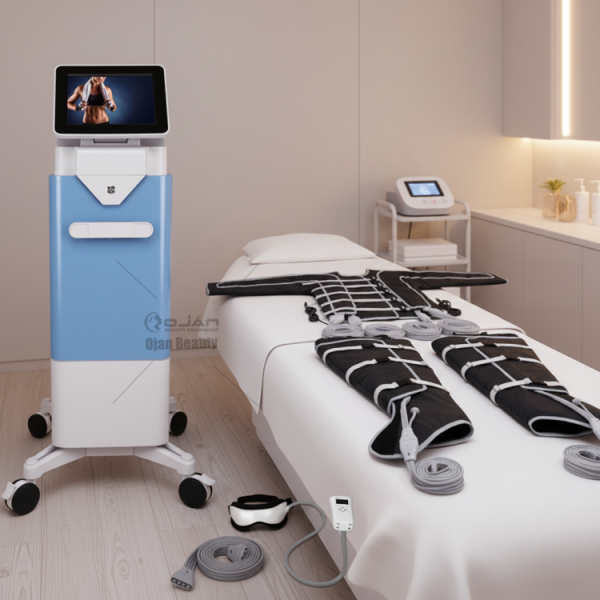
Pressotherapy looks more dramatic than it feels. Lying on a treatment bed, padded boots, trousers, or a jacket fit securely around your body. Once activated, the machine fills sequential air chambers with a quiet mechanical hum.
Firm, rhythmic pressure starts low on your limbs and travels steadily upward. Most clients schedule sessions to relieve leg heaviness, temporary fluid retention, or post-exercise muscle soreness. Some expect a massage; others worry about feeling trapped. In a well-run session, pressure is adjusted as your body responds.
Before the Session: Health Checks and Practical Preparation
Before starting compression therapy, a thorough checkup ensures the treatment remains completely safe for your body today. Because shifting external pressure forces fluid through your limbs, therapists cannot rely on past health records alone.
Expect queries regarding recent surgeries, sudden swelling, open sores, skin infections, pregnancy, or nerve numbness. They will also screen for heart issues, kidney conditions, circulation trouble, and deep vein thrombosis risks, alongside blood pressure or clotting medications.
A skilled clinician takes time to discuss your personal goals for the visit using clear and plain language. “My legs feel heavy after work” calls for a different setup from “I trained hard yesterday and my calves are tight.”
Treatment is postponed when there is sudden one-sided swelling, warmth, redness, unusual pain, active infection, or a suspected clot. Pressotherapy should not be used to guess the cause.
Before getting on the bed, you may be asked to:
- Use the restroom, since some clients feel the need to urinate afterward
- Remove shoes, jewelry, belts, and bulky items from the pockets
- Change into thin clothing or a disposable liner
- Point out tender areas, bruises, numb patches, or skin irritation

The practitioner should explain how to stop the machine and which sensations need to be reported straight away, especially once the suit is inflated and changing position becomes harder.
Step 1: Getting Into the Garment and Adjusting the Fit
The garment can look like padded ski trousers crossed with an oversized blood-pressure cuff. Depending on the treatment, you may wear long boots, trousers, arm sleeves, a waist section, or a jacket connected to the console by several air hoses.
Thin clothing usually stays underneath for hygiene and comfort. Thick seams are best avoided because a harmless-looking ridge can become irritating once the chamber above it fills.
The practitioner starts at the feet and straightens the material before fastening each section. Around the knees and hips, the suit must lie flat; a folded edge behind the knee can pinch within minutes.
The Professional 24 Airbags Pressotherapy Machine/Full Body Pressotherapy Machine is a useful full-body example. Its two-piece jacket-and-trouser design contains 24 airbags, with adjustable trouser sections for different leg lengths. The listed 60 L/min airflow allows quick inflation, while far-infrared heat can be added during recovery-focused sessions.
Before switching anything on, the practitioner should ask you to wiggle your toes, take a full breath, and identify any tight spot. The suit should feel close to the body without already feeling restrictive.
Step 2: Choosing Pressure, Timing, and Treatment Mode
The console controls the active body zones, filling speed, hold time, release pattern, and session length. First appointments usually begin at moderate pressure, since the maximum printed on a machine is an equipment limit rather than a treatment target.
On a standard leg program, the lowest chambers fill first. Pressure then travels through the calves and thighs in sequence rather than squeezing the entire leg at once. The Factory Direct 24 Chambers 5 Different Massage Mode Pressotherapy Body Slimming Lymphatic Drainage Pressotherapy Machine uses 24 chambers arranged in groups of three, with several modes that change the pattern and pace of compression.

Some appointments include heat or electrical muscle stimulation. The Professional 3 In 1 Pressotherapy Machine | Lymphatic Drainage Air Pressure Suit With EMS & Infrared Therapy For Effective Weight Loss combines intermittent pneumatic compression with far-infrared warmth and eight pairs of EMS pads. The operator can use compression alone or add the other functions when they match the treatment plan.

You should know which features are active before the cycle starts, since unexpected warmth or muscle twitching can feel alarming when nobody has explained it.

Step 3: The First Five Minutes
The pump starts with a low hum. Starting at your foot or ankle, one chamber inflates, holds steady, then passes pressure up to the next segment. Rather than focusing on a single spot, the sensation feels wide and distributed, similar to a large blood-pressure cuff.
Throughout initial cycles, the practitioner monitors the fit carefully instead of leaving you unattended. A kinked air hose, uneven tightness across your calves, or a sleeve rubbing against an ankle bone can easily occur.
You will likely hear the system operating before adapting to its steady rhythm. Air rushes through connecting tubes, control valves click, and pressure gradually eases as chambers deflate. While firm compression remains expected, inform your therapist immediately if you experience sharp pain, burning, tingling, numbness, or cold toes.
Step 4: Minutes Five to Fifteen, When the Pattern Settles
After several rounds, the sequence stops feeling new. Pressure climbs from the ankles toward the thighs, releases, and begins again. Some programs leave a little pressure behind while the next chamber fills, creating the sense of a slow rolling wave.

This is usually when clients stop monitoring every squeeze. Shoulders drop, breathing slows, and the pump fades into the background.
The legs can feel heavy inside the garment, even though they may feel lighter afterward. That temporary weight comes from the suit holding the limbs in place.
Pressure should remain even, so tell the practitioner if each cycle seems stronger than the one before rather than waiting for it to settle on its own.
Step 5: Minutes Fifteen to Thirty, With Heat or EMS
When far-infrared heating turns on, warmth builds gradually rather than suddenly. It usually starts around your thighs or midsection before spreading through the suit. The temperature must stay well below any burning, stinging, or uncomfortably trapped sensation. Individuals with sensitive skin or reduced heat perception require close monitoring, though heat can be lowered or switched off completely while compression continues.
If electrical muscle stimulation is active, pads send light pulses that trigger tapping, fluttering, or soft contractions. Your muscles tighten and relax automatically without sudden sharp jolts. Multi-function therapy systems manage air compression and muscle stimulation independently. If pressure feels fine but electrical stimulation feels uncomfortable, the technician can easily lower the EMS intensity without ending the appointment.

At this point, you might notice warm feet, slight thirst, or a fuller bladder. These normal physical sensations happen as trapped fluids shift back into your main bloodstream, though they do not demonstrate or prove that your body is actively clearing out any harmful internal toxins.
Step 6: The Final Part of the Session
Many appointments finish at about thirty minutes, while others continue for forty-five or sixty. Longer does not automatically mean better, and the practitioner may reduce pressure or heat if the tissues become more sensitive as the session continues.
By now, the suit tightens, holds, and releases in a familiar rhythm, and some clients drift toward sleep. The practitioner may check in quietly, but you should speak up if breathing feels restricted or a limb becomes painful or numb.
Once the chambers release fully, the garment changes from firm and structured to loose within a few seconds.
Step 7: Getting Out of the Suit and Standing Up
Before unzipping the suit, the practitioner disconnects all air hoses first. They slowly unfasten the waist, trousers, or boots, as standing up too quickly after prolonged warmth and stillness can leave some people feeling lightheaded.
When you get up, your skin might show temporary seam marks similar to sock impressions. Your legs usually feel warm, lighter, or slightly unusual during your first few steps, alongside noticeably reduced tightness around your calves and ankles.
Common immediate reactions include:
- A need to use the restroom
- Mild thirst or warm skin
- Temporary pressure marks
- A sleepy, relaxed feeling
- A short-lived sense that the legs feel “floaty”
Deep bruising, blistering, persistent numbness, increasing swelling, chest discomfort, or shortness of breath is not routine. Those symptoms need medical attention, not another session at a lower setting.
Post-Session Care and Scheduling
Aftercare remains straightforward. Sip water at your regular pace, take a short walk if you feel steady, and monitor how treated areas respond later in the day.
A gentle stroll helps sustain blood circulation once the garment comes off, making intense workouts completely unnecessary right after this recovery session.
For the rest of the day:
- Follow existing medical advice about fluid intake
- Choose light movement instead of sitting still for hours
- Avoid treating sore, irritated, or bruised skin again
- Contact the provider if swelling, pain, or altered sensation appears
- Tie future appointments to a clear goal rather than a fixed package
There is no universal schedule. An occasional wellness session differs from a sports recovery routine or a clinician-led plan for swelling. Frequency should reflect the reason for treatment, medical history, pressure tolerance, and how the body responded last time.
Who Usually Gets the Most from Pressotherapy?
Pressotherapy works best for individuals managing mild fluid retention, tired legs, or post-workout muscle fatigue, provided initial health screening clears them for compression. Once you adjust to the rhythmic inflation cycle, the experience feels deeply relaxing and comfortable.
Treatment success relies on proper garment fit, customized settings, and attentive care rather than high pressure settings. A well-conducted appointment feels firm, pleasantly warm if heat options are active, and completely controlled throughout. Intense pain or discomfort never indicates a more effective session.