

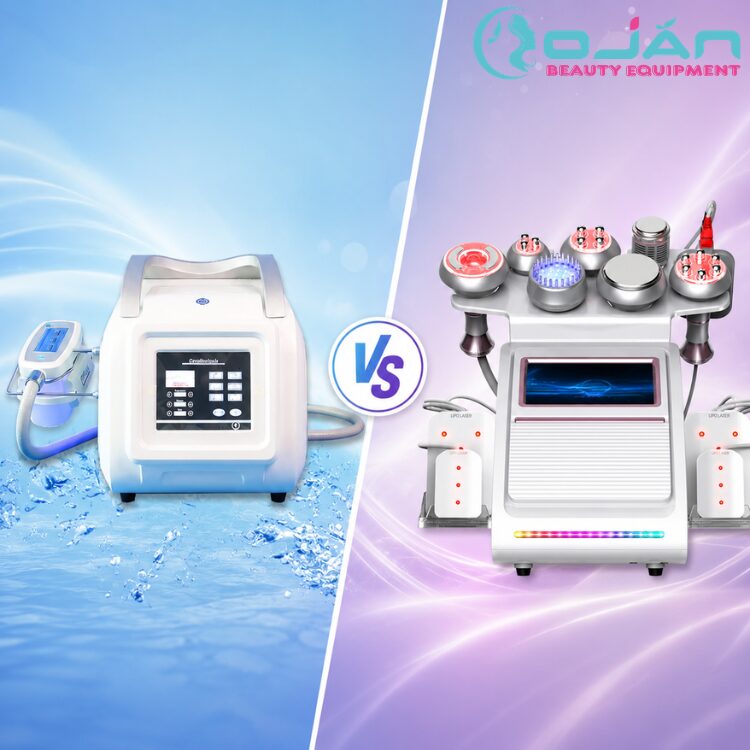
Ultrasonic Cavitation Vs CoolSculpting: Complete Guide For Clinics & Beauty Equipment Buyers (2026)
Body contouring has become one of the fastest growing categories in the beauty and wellness industry. Clinics, med spas, and beauty equipment buyers are constantly searching for the most effective, safest, and most profitable fat reduction technology to offer their clients. Two names dominate this conversation: ultrasonic cavitation and CoolSculpting.
Both promise noticeable fat reduction without surgery, but they work in completely different ways, cost different amounts, and appeal to different types of clients and businesses. This guide breaks down everything you need to know, from the science behind each treatment to the real world business case for clinic owners deciding which machine to invest in.
What Is Ultrasonic Cavitation?

Ultrasonic cavitation is a noninvasive body contouring treatment that uses low frequency sound waves to target and break down fat cells beneath the skin. During treatment, a handheld device emits ultrasonic waves that create microscopic bubbles inside fat cells. These bubbles expand and collapse rapidly, causing the fat cell membranes to rupture. Once broken down, the fatty content is released into the body and naturally processed through the lymphatic system.
The treatment is often called a lunchtime procedure because it typically takes 30 to 60 minutes and requires no downtime. Clients can walk out immediately and return to normal activities. Ultrasonic cavitation is commonly used on the abdomen, thighs, arms, and flanks, making it a popular add on service in med spas and beauty clinics.
Because the equipment is relatively affordable and easy to operate, ultrasonic cavitation has become a favorite among small to mid sized clinics looking to offer body contouring without a large upfront investment.
What Is CoolSculpting?

CoolSculpting is a patented fat reduction technology that uses controlled cooling to freeze and destroy fat cells, a process known as cryolipolysis. Unlike ultrasonic cavitation, which relies on sound waves, CoolSculpting uses precise temperature control to target fat cells specifically, since fat cells are more sensitive to cold than surrounding skin and tissue.
During a session, an applicator is placed on the treatment area and suctions the skin and fat between cooling panels. Over the following weeks, the body naturally metabolizes and eliminates the frozen fat cells. According to the U.S. Food and Drug Administration, CoolSculpting was cleared for use in reducing fat in specific areas of the body, and it remains one of the most recognized noninvasive fat reduction brands worldwide. You can review official device information through the FDA medical device database.
CoolSculpting sessions typically last 35 to 60 minutes per area, and results appear gradually over one to three months as the body clears the treated fat cells.
Ultrasonic Cavitation vs CoolSculpting: Quick Comparison Table
| Feature | Ultrasonic Cavitation | CoolSculpting |
| Technology | Sound wave energy | Controlled cooling (cryolipolysis) |
| Session Time | 30 to 60 minutes | 35 to 60 minutes per applicator |
| Downtime | None | None |
| Results Visible | 2 to 4 weeks | 1 to 3 months |
| Number of Sessions Needed | 6 to 10 sessions | 1 to 3 sessions |
| Equipment Cost | Lower to mid range | Higher, often licensed technology |
| Best For | Budget-friendly clinics, frequent add on service | High-end clinics, premium single treatment offer |
| Pain Level | Minimal, warm sensation | Mild cold and pulling sensation |
How Both Fat Reduction Technologies Work

Understanding the science helps clinics explain treatments confidently to clients and helps buyers choose equipment that matches their target market.
Ultrasonic cavitation works through a process called mechanical disruption. The sound waves create pressure changes in the tissue, forming tiny gas-filled cavities inside fat cells. As these cavities collapse, they physically break apart the cell membrane. This releases triglycerides and fatty acids, which travel through the lymphatic system to the liver, where they are processed like normal dietary fat.
CoolSculpting, on the other hand, relies on a biological principle. Fat cells freeze at a higher temperature than skin, muscle, and other tissue. By cooling the target area to a specific range, the device triggers apoptosis, a natural process where damaged fat cells die off and are gradually removed by the immune system over several weeks.
Both methods avoid surgery, needles, and anesthesia, which is why they appeal to clients who want visible results without the risks of liposuction.
Treatment Areas and Ideal Candidates
Ultrasonic cavitation works best on areas with looser, more accessible fat pockets. Common treatment zones include the abdomen, love handles, inner and outer thighs, upper arms, and back.
CoolSculpting is often used on the abdomen, flanks, thighs, double chin, and upper arms as well, but it tends to work better on firmer, more pinchable fat because the applicator needs to draw the tissue between its cooling panels.
Ideal candidates for either treatment are people who are close to their goal weight but struggling with stubborn fat pockets that resist diet and exercise. Neither treatment is designed for significant weight loss or for people with a high body mass index. Clinics should always set realistic expectations during consultations to maintain trust and long term client satisfaction, a core part of building authority and credibility in this industry.
Treatment Process: Step-by-Step Comparison
Ultrasonic Cavitation Process:
- The treatment area is cleaned and marked.
- A gel is applied to help the device glide smoothly.
- The technician moves the ultrasonic applicator in circular motions over the target zone.
- Clients typically feel a warm, buzzing sensation.
- After the session, light massage or lymphatic drainage may be recommended to support fat clearance.
- Sessions are usually repeated once or twice a week for several weeks.
CoolSculpting Process:
- The treatment area is measured and marked for applicator placement.
- A gel pad is applied to protect the skin.
- The applicator suctions the tissue and begins the cooling cycle.
- Clients may feel intense cold for the first several minutes, which fades as the area numbs.
- After removal, the technician massages the area to help break up the frozen tissue and improve results.
- Most clients need only one to three sessions per area total.
PRODUCT LINK – Latest Portable 360 Cryolipolysis Fat Freezing Machine For Sale | Cryolipolysis Machine
Results Timeline: Which Produces Faster Results?

This is one of the most common questions clients and clinic staff ask, and it has a clear answer.
Ultrasonic cavitation tends to show visible changes faster, often within two to four weeks, because the fat is broken down and processed almost immediately after each session. However, because each session only removes a small amount of fat, multiple treatments are needed to achieve a noticeable overall change.
CoolSculpting results take longer to appear, usually between four and twelve weeks, because the body needs time to naturally clear the frozen fat cells. The advantage is that a single CoolSculpting session can produce a more dramatic reduction in one treated area compared to a single cavitation session.
For clinics, this means ultrasonic cavitation is often marketed as a gradual sculpting journey, while CoolSculpting is marketed as a one-time investment with a longer wait for final results.
Safety, Side Effects, And Recovery
Both treatments are considered safe when performed by trained professionals using approved equipment.
Common side effects of ultrasonic cavitation include mild redness, warmth, and temporary bruising in rare cases. Because it does not involve extreme temperatures, the risk profile is generally considered low.
CoolSculpting side effects can include redness, swelling, numbness, and temporary bruising at the treatment site. In rare cases, a condition called paradoxical adipose hyperplasia has been reported, where the treated area increases in fat volume instead of decreasing. This is uncommon but is a known risk that reputable clinics disclose during consultations, as documented by the FDA.
Neither treatment requires downtime, and clients can typically return to normal activities immediately after their session. Clinics should always follow manufacturer guidelines and conduct proper client screening to minimize risk and maintain strong safety records.
Cost Comparison for Clinics and Patients
For patients, ultrasonic cavitation sessions typically range from 100 to 300 dollars per session, with full treatment packages costing between 800 and 2000 dollars depending on the number of sessions needed.
CoolSculpting tends to be more expensive per session, often ranging from 600 to 1500 dollars per treated area, with full body packages sometimes exceeding 3000 dollars.
For clinics and equipment buyers, the cost difference is even more significant. Ultrasonic cavitation machines are widely available at a lower entry price point, making them accessible for new clinics or smaller beauty businesses. CoolSculpting systems require licensing and are considerably more expensive to purchase and maintain, which is why they are more common in established med spas and dermatology practices with larger budgets.
Business Perspective: Which Machine Offers Better ROI?
From a return on investment standpoint, ultrasonic cavitation often wins for new or growing clinics. The lower upfront equipment cost, combined with the need for repeat sessions, creates recurring revenue and encourages client loyalty through package bookings.
CoolSculpting can generate higher revenue per session, but the higher equipment cost means clinics need a steady stream of premium clients to recover their investment quickly. It works well for clinics already serving a higher-income client base that values brand recognition and is willing to pay for a single, well-known treatment name.
Many successful clinics choose to offer both technologies, allowing them to serve a wider range of client budgets and preferences while maximizing revenue potential across different service tiers.
Why Global Beauty Equipment Buyers Choose Ojan Beauty

For clinics and distributors sourcing reliable ultrasonic cavitation and body contouring equipment, choosing the right manufacturing partner matters as much as choosing the right technology. Ojan Beauty has built a reputation among international buyers for offering professional-grade machines that meet safety standards, come with proper certification, and are backed by responsive technical support.
Buyers value manufacturers who understand international shipping requirements, offer training resources for clinic staff, and provide transparent warranty terms. These factors reduce risk for importers and help clinics launch new services with confidence, which is why sourcing from an experienced and trusted supplier remains a smart long-term business decision.
Buying Guide for Resellers, Wholesalers & Importers
When sourcing ultrasonic cavitation or CoolSculpting-style equipment for resale, buyers should evaluate several key factors before making a purchase decision.
First, confirm the manufacturer holds relevant certifications such as CE or FDA registration where applicable, since these affect both legal compliance and buyer trust in your target market. Second, request clinical or technical documentation that explains how the device performs, including frequency settings for ultrasonic devices or cooling range specifications for cryolipolysis machines.
Third, compare warranty terms and after-sales support. Equipment downtime directly affects clinic revenue, so a supplier offering fast replacement parts and responsive service is essential. Fourth, ask about minimum order quantities, private labeling options, and shipping timelines, especially if you plan to distribute across multiple countries.
Finally, request client testimonials or case studies from clinics already using the equipment. Real-world performance feedback often reveals details that spec sheets do not, helping buyers make more informed purchasing decisions.
Future Trends In Noninvasive Body Contouring

The body contouring industry continues to evolve rapidly. Combination therapies that pair ultrasonic cavitation with radiofrequency skin tightening are becoming increasingly popular, offering clients fat reduction and skin firming in a single session.
Artificial intelligence is also beginning to play a role, with some newer devices offering personalized treatment settings based on body composition scans. Additionally, more clinics are moving toward multifunctional platforms that combine several noninvasive technologies into one machine, reducing equipment costs while expanding service menus.
As consumer demand for quick, painless, and effective treatments grows, manufacturers are focusing on shorter session times and faster visible results, which will likely shape the next generation of body contouring devices heading into the coming years.
Frequently Asked Questions
Is ultrasonic cavitation as effective as CoolSculpting?
Both treatments are effective for reducing stubborn fat pockets, but they work differently. Ultrasonic cavitation often requires more sessions with gradual results, while CoolSculpting can produce a more noticeable change per treated area in fewer sessions.
Which treatment is more painful, cavitation or CoolSculpting?
Ultrasonic cavitation is generally described as more comfortable, producing a warm sensation. CoolSculpting involves intense cold during the first several minutes, though the area typically numbs quickly.
How many sessions are needed for visible results?
Ultrasonic cavitation usually requires six to ten sessions for noticeable results. CoolSculpting typically requires only one to three sessions per treated area.
Is CoolSculpting permanent?
Yes, the fat cells destroyed during CoolSculpting are permanently removed from the body. However, remaining fat cells can still expand with significant weight gain.
Which is cheaper for clinics to invest in, cavitation or CoolSculpting equipment?
Ultrasonic cavitation equipment generally has a lower upfront cost, making it more accessible for new or smaller clinics compared to licensed CoolSculpting systems.
Can these treatments replace liposuction?
No. Both ultrasonic cavitation and CoolSculpting are designed for mild to moderate fat reduction in localized areas. They are not substitutes for surgical procedures like liposuction, which remove larger volumes of fat.
Are there any side effects clinics should warn clients about?
Yes. Common side effects include redness, mild swelling, and temporary numbness. Clinics should always conduct proper consultations and disclose known risks before treatment.
Final Verdict
Both ultrasonic cavitation and CoolSculpting offer real, noninvasive solutions for stubborn fat, but they serve different needs. Ultrasonic cavitation is ideal for clinics wanting an affordable, flexible service that builds recurring client visits. CoolSculpting suits clinics targeting premium clients who prefer fewer sessions and are willing to pay more per treatment.
For beauty equipment buyers and clinic owners, the smartest strategy often involves understanding your target market first, then choosing the technology, or combination of technologies, that best matches your clients’ budgets and expectations. Partnering with a reliable manufacturer, maintaining transparent safety practices, and staying informed about emerging trends will help any clinic build long-term trust and sustainable growth in the competitive body contouring industry.