

PEMF vs Traditional Recovery Treatments: What Makes It Different?
A recovery room usually means hands-on work: a therapist kneading tight tissue, or a compression sleeve squeezing rhythmically around a limb. A PEMF session looks nothing like either one. The client lies still, a handle rests near the treatment area, and nothing touches the skin except a pulsing magnetic field.
Evaluating PEMF therapy for muscle recovery starts with this difference, not with what a magnetic field theoretically does inside tissue. The real question is how the experience and the business fit compare with recovery methods a clinic already offers.
For a business already running massage, compression, or manual recovery services, the practical question isn’t whether pulsed electromagnetic field therapy works in a lab study. It’s what changes in the treatment room, the session, and the service menu once PEMF sits alongside what’s already there.

What Makes PEMF Different From Hands-On Recovery
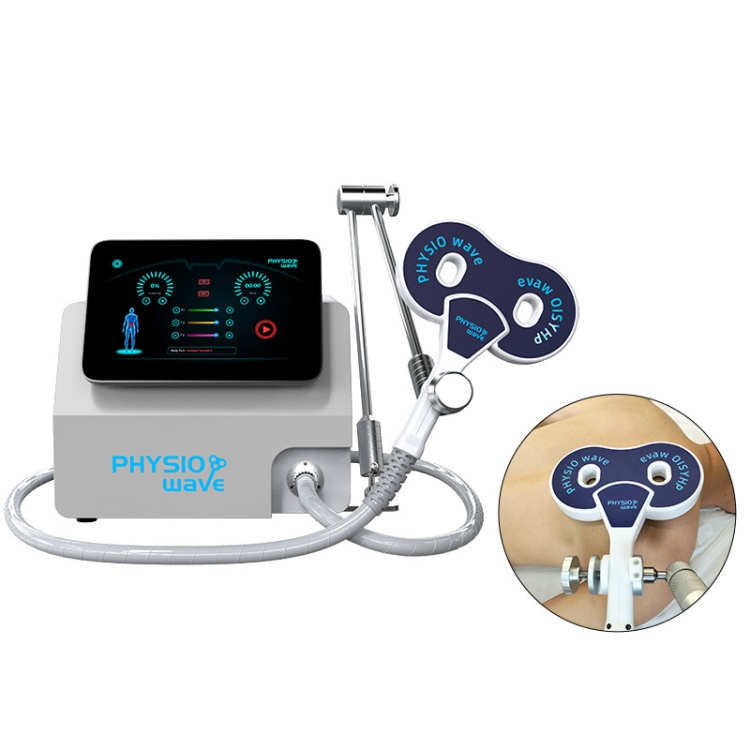
Most recovery treatments rely on some form of physical manipulation. A therapist applies pressure with hands, a compression garment inflates around a limb, or a vibrating head moves across tissue. PEMF works through a different mechanism entirely. A dual-ring handle generates a pulsing magnetic field that passes through clothing and tissue without direct pressure or mechanical movement on the skin.
Because sessions don’t rely on pressure or manipulation, they don’t depend on one staff member’s manual technique to stay consistent. Any client with an implanted electronic device, or another condition that affects suitability for electromagnetic treatment, should be screened first, as with any professional service.
PEMF therapy for muscle recovery gets requested by name partly for this reason. Clients associate it with a treatment that doesn’t add pressure on tissue that may already be sore or inflamed.

PEMF vs Massage: What Changes for the Client?
Massage depends on a trained therapist’s hands, session after session. Consistency varies somewhat by therapist, and the service can only scale as far as the clinic has staff hours available. PEMF vs traditional recovery comparisons usually start here: a PEMF session runs from a touchscreen console. Once the settings are set for the target area, the treatment itself doesn’t depend on one person’s technique the way massage does.
The client experience differs too. Massage is a hands-on, often full-body session built around touch and manual pressure. A PEMF session is more passive: the client stays in one position while the handle, held in place by a support arm, delivers the field to a specific area for 20 to 30 minutes. Neither approach replaces the other outright. Clients who want the hands-on feel of massage generally still want that option on the menu, alongside muscle recovery therapy focused on one joint or muscle group.
PEMF vs Compression Recovery
Compression recovery, the kind built into pressotherapy or sequential compression sleeves, works through pneumatic pressure: air chambers inflate and deflate around a limb to move fluid and ease heaviness after exercise. PEMF for joint pain and muscle recovery works through an electromagnetic field instead, with no air chambers, hoses, or garment to fit around the client.
Setup reflects that difference. A compression system needs the right sleeve or suit size for each client and a few minutes to fit it properly. A PEMF handle just needs to be positioned near the treatment area, which is part of why a session can start faster once staff are familiar with the presets. A business already offering compression recovery doesn’t need to choose between the two; the treatments simply work through different mechanisms.
For staff, that setup difference also means less physical strain across a full day of bookings. Sessions built around PEMF therapy for muscle recovery run largely from the console, so staff fatigue plays a smaller role in how consistent the treatment feels from one appointment to the next.

Where PEMF Fits Into a Recovery Business
PEMF therapy tends to fit best alongside services a business already runs, rather than as a category on its own. Sports recovery studios can add it as a targeted option for joint and muscle complaints between training sessions. Wellness centres and medspas already offering massage or compression recovery can extend their menu without retraining staff on a new treatment philosophy. Chiropractic and physical therapy clinics get a hands-free option alongside manual adjustment or exercise-based rehab.
In each setting, PEMF works better as an addition than a replacement. A client managing ongoing shoulder discomfort might use massage and PEMF across different visits, or pair a compression session for general heaviness with a PEMF session targeted at one joint. Like any recovery treatment, PEMF works best alongside rest and standard medical care for a diagnosed condition, not as a substitute.
For a business evaluating PEMF therapy for muscle recovery as a new line item, this flexibility is a big part of the appeal. It slots into an existing recovery menu instead of requiring a dedicated room or a separate service category.
What to Consider Before Adding PEMF to a Treatment Menu
These points matter most when evaluating a PEMF therapy machine for a clinic’s own use or for a distributor catalogue.
- Field strength and frequency range. Adjustable intensity and frequency let staff match output to different body parts and client tolerance, instead of running one fixed setting for every session.
- Applicator design. A dual-ring or similarly concentrated handle focuses the field at the treatment centre rather than spreading it across a wider area.
- Positioning and support. A telescopic or adjustable support arm holds the handle in place for hands-free sessions, freeing staff to manage the rest of the appointment.
- Presets and interface. Built-in presets for common treatment areas cut down training time and help new staff start a session correctly without a manual.
- Cooling system. Air-cooled systems generally mean lower ongoing maintenance than liquid-cooled alternatives.
- Space and voltage. Console footprint and dual-voltage support matter for a business relocating or expanding equipment across locations.
- Training, documentation, and support. Manufacturer training and clear protocols matter once the machine is in daily use, not just at purchase.
- Local regulatory requirements. Rules for magnetic and electromagnetic therapy devices vary by market, so buyers should confirm what applies before importing or operating a system.
What the Ojan Beauty Dual-Ring PhysioWave Brings to a Recovery Menu
MX-MT72 pairs a dual magnetic ring handle with 6T magnetic induction intensity and a 1 to 100Hz adjustable frequency range, all controlled from a 12.1-inch touchscreen console. The two rings in the handle discharge their output at the same centre point, concentrating the field at the treatment area rather than spreading it more broadly, which speaks directly to the applicator-design point above.
The console’s built-in presets cover common areas including the hip, thigh, knee, shoulder, cervical vertebrae, and lumbar vertebrae. A 360-degree telescopic support arm holds the handle in position for hands-free sessions, which generally run 20 to 30 minutes depending on the area treated. The system is air-cooled rather than liquid-cooled, and it runs on either AC110-130V or AC220-240V without a separate transformer, useful for a distributor supplying clinics across different regions.

The console measures roughly 67 x 62 x 45.5cm and weighs 22.5kg net or 33.5kg packaged, figures worth checking against a clinic’s available floor space before ordering. For a distributor expanding a recovery equipment lineup, the MX-MT72 gives clinics a dedicated PEMF therapy option for muscle recovery. It sits alongside compression or manual-therapy equipment already on the price list, rather than competing with it. OJAN Beauty offers the MX-MT72 factory-direct with OEM branding, custom packaging, and flexible minimum order quantities.
For more on why businesses are adding magnetic therapy to their service menus, see OJAN Beauty’s guide to magnetotherapy for business.
FAQs
What is PEMF therapy used for?
PEMF therapy is generally used for muscle and joint concerns such as muscle strain, swelling, joint wear, tendon and ligament injuries, and chronic pain or inflammation in areas like the shoulders, knees, hips, and spine. It’s positioned as a non-invasive, hands-free option for PEMF therapy for muscle recovery, not a guaranteed treatment for any specific diagnosis.
How is PEMF different from massage or other recovery treatments?
PEMF uses a pulsing magnetic field instead of physical manipulation. There’s no pressure, kneading, or garment to fit, so a session doesn’t depend on one therapist’s technique the way massage does, and it doesn’t need the setup time a compression system requires.
Can PEMF support muscle recovery?
It’s commonly used that way. PEMF therapy for muscle recovery is generally positioned to support comfort and recovery between training or treatment sessions, alongside rest and normal training load, rather than replacing either.
Does PEMF therapy help with joint pain?
PEMF for joint pain is one of the more common reasons clinics add this treatment, typically for concerns like osteoarthritis-related discomfort or general joint wear. As with any recovery treatment, results vary by person, and a diagnosed condition should still be managed with a client’s own healthcare provider.
What should a clinic look for in a PEMF therapy machine?
Adjustable field strength and frequency range, applicator design, hands-free positioning support, built-in presets, a cooling system, dual-voltage support, and the training, documentation, and OEM or private-label options the manufacturer offers.

