

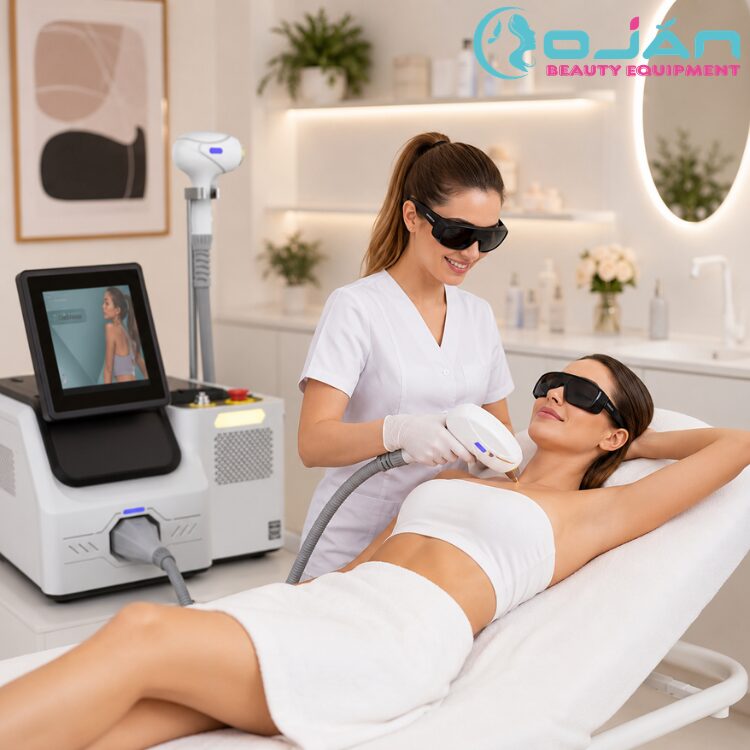
Laser Hair Removal Aftercare: 17 Expert Tips For Better Results & Faster Skin Recovery
Getting laser hair removal is one of the smartest long-term investments in smooth, hair-free skin. But the treatment itself is only half the story. What you do in the hours and days after each session determines how well your skin heals, how comfortable the recovery feels, and how effective your overall results turn out to be. Laser hair removal aftercare is the part most people underestimate and the part that separates great outcomes from disappointing ones.
This guide covers 17 expert-backed tips to help you recover faster, protect your skin, and get the most from every session.
Understanding Laser Hair Removal Aftercare and Why It Matters

Laser hair removal aftercare refers to the specific practices, products, and precautions that protect treated skin between and after laser sessions. When followed consistently, proper aftercare reduces side effects, accelerates skin recovery, and enhances the long-term effectiveness of each treatment. Skipping or mishandling the aftercare phase is one of the primary reasons people experience prolonged redness, hyperpigmentation, or suboptimal hair reduction results after their sessions.
How Laser Hair Removal Technology Works on Hair Follicles
Laser hair removal uses concentrated light energy specifically targeting melanin in the hair shaft to heat and destroy the hair follicle at its root. The surrounding skin absorbs some of that heat in the process, which is why the treated area becomes temporarily sensitive, pink, and warm after each session. The follicle damage is intentional and permanent over multiple sessions, but the surrounding tissue needs time and care to recover fully. Understanding this mechanism explains why post-treatment skin behaves differently and why your aftercare choices matter so much.
Why Proper Aftercare Improves Treatment Results
Laser sessions work in cycles aligned with the hair growth phase. Proper aftercare between sessions keeps the skin healthy enough to respond optimally to the next treatment. When skin is irritated, inflamed, or compromised from poor aftercare, subsequent sessions may need to be delayed or performed at lower energy settings both of which reduce effectiveness. Consistent, high-quality aftercare creates the ideal skin environment for every treatment to work at full power, giving you smoother results in fewer sessions overall.
What Happens to the Skin After Laser Hair Removal Treatments
The skin’s response to laser treatment is predictable and manageable when you know what to expect. Most people experience a range of mild post-treatment reactions that are completely normal and temporary. Knowing the difference between expected reactions and warning signs keeps you calm, helps you respond appropriately, and reduces unnecessary anxiety during the recovery process.
Common Post-Treatment Reactions Explained
Within the first few hours after laser hair removal, it is normal to experience redness, mild swelling, warmth, and a sensation similar to a mild sunburn around the treated follicles. Some people notice small bumps or pinkish dots at the hair follicle openings. This is called perifollicular edema and is a sign that the laser has successfully targeted the follicles. These reactions typically resolve within 24 to 48 hours. Slight itching during healing is also common. Blistering, crusting, or significant pain are less common and should be assessed by your treatment provider promptly.
How Long Skin Recovery Typically Takes
For most people, the visible signs of laser hair removal, redness and mild swelling, subside within 24 to 72 hours. Deeper or more sensitive areas such as the bikini line or underarms, may take slightly longer. Over the following one to three weeks, treated hairs will shed naturally from the follicles. This shedding process is often mistaken for regrowth but is actually the body expelling successfully damaged hairs. Full skin recovery between sessions typically takes one to two weeks, which is why most laser protocols are spaced four to six weeks apart.
The First 24 Hours of Laser Hair Removal Aftercare
The first 24 hours after treatment are the most critical window in the laser hair removal aftercare timeline. The skin is at its most sensitive and reactive during this period, and the choices you make from what you apply to your skin to the activities you engage in have the greatest impact on how comfortably and quickly you recover.
Cooling and Calming Treated Skin Safely
Applying a cool compress or cold gel pack wrapped in a soft cloth to the treated area provides immediate relief from the post-treatment warmth and mild swelling. Do not apply ice directly to skin, as this can damage the sensitized surface. Many clinics apply a cooling gel immediately post-session; you can continue this at home using a clean, chilled aloe vera gel or a dedicated post-laser soothing product. Cooling the skin reduces inflammation, calms nerve endings, and accelerates the transition from reactive to recovered.
Skincare Ingredients to Avoid Immediately After Treatment
In the first 24 to 48 hours, avoid applying anything that could further irritate or sensitize the treated skin. This means steering clear of retinol, glycolic acid, salicylic acid, benzoyl peroxide, vitamin C serums, fragranced products, and alcohol-based toners. These ingredients are valuable in your regular skincare routine but are too active for post-laser skin that is temporarily compromised. Stick to gentle, fragrance-free, hypoallergenic products only during this window. Less is genuinely more in the immediate post-treatment phase of laser hair removal aftercare.
Why Heat and Sweat Can Trigger Irritation
Heat exposure in the 24 to 48 hours after laser treatment dilates blood vessels, increases skin temperature, and amplifies the inflammatory response that the laser has already triggered. Hot showers, steam, vigorous exercise, saunas, and hot tubs all fall into this category. Sweat is also mildly acidic and can irritate freshly treated follicles, increasing the risk of breakouts or extended redness in the treated zone. Keeping the skin cool and dry for the first 24 hours is one of the simplest and most effective laser hair removal aftercare strategies you can follow.
Best Skincare Routine For Laser Hair Removal Aftercare

Once the initial 24-hour reactive period has passed, establishing a consistent, gentle skincare routine supports ongoing recovery and keeps your skin in optimal condition between sessions. This does not need to be complicated simplicity and consistency are the most important qualities of an effective post-laser skincare regimen.
Choosing Gentle Cleansers and Moisturizers
Use a mild, sulfate-free cleanser with lukewarm water to wash treated areas during the recovery period. Avoid scrubbing or using textured cloths on the skin. Follow cleansing with a fragrance-free, non-comedogenic moisturizer that contains skin-supportive ingredients such as ceramides, glycerin, hyaluronic acid, or niacinamide. These ingredients restore the skin barrier, lock in hydration, and reduce the likelihood of post-inflammatory dryness. Apply moisturizer twice daily until your skin has fully normalized between sessions.
Benefits of Aloe Vera and Hydrating Products
Pure aloe vera gel is one of the most effective and widely recommended products for laser hair removal aftercare. It contains compounds including polysaccharides and glycoproteins that reduce inflammation, soothe irritation, accelerate wound healing, and provide a cooling sensation that relieves post-treatment discomfort. Apply chilled, preservative-free aloe vera gel to the treated area two to three times daily during the first week after treatment. Hyaluronic acid serums also work well at this stage, providing deep hydration without any active ingredient risk.
When to Resume Retinol, Acids, and Active Ingredients
Most skincare professionals recommend waiting a minimum of five to seven days before reintroducing mild active ingredients such as lactic acid, and at least ten to fourteen days before resuming retinol, glycolic acid, or stronger exfoliating acids. This timeline varies based on how sensitive your skin is, what area was treated, and how your skin responded to the session. When you do reintroduce actives, do so gradually one product at a time to ensure your skin tolerates the transition without reacting adversely.
Sun Protection Guidelines After Laser Hair Removal
Sun protection is not optional during laser hair removal aftercare it is essential. Laser-treated skin is significantly more vulnerable to UV damage than untreated skin, and UV exposure during the recovery period is one of the leading causes of post-inflammatory hyperpigmentation, especially in medium to darker skin tones.
How UV Exposure Affects Sensitive Skin
After laser treatment, the melanin-producing cells in the skin are temporarily disrupted and highly reactive. Even brief, incidental sun exposure can trigger abnormal melanin production in the treated area, resulting in dark patches or uneven pigmentation that can take months to fade. This risk is heightened in the first two weeks after each session and remains elevated throughout the full course of treatment.
Selecting the Right Sunscreen for Post-Laser Care
Choose a broad-spectrum sunscreen with SPF 30 or higher ideally SPF 50 formulated for sensitive skin. Mineral sunscreens containing zinc oxide or titanium dioxide are preferred over chemical sunscreens for post-laser use because they sit on top of the skin rather than absorbing into it, reducing the risk of irritation on sensitized skin. Apply sunscreen every morning and reapply every two hours when outdoors. This single habit is the most impactful long-term skin protection measure in your entire laser hair removal aftercare routine.
Activities to Avoid During the Healing Process
Certain activities create conditions that compromise post-laser skin recovery. Avoiding them during the healing window is a straightforward way to reduce side effects and keep your recovery on track.
Hot Baths, Saunas, and Steam Room Risks
Heat-based activities hot baths, saunas, steam rooms, and hot tubs should be avoided for at least 48 hours after treatment and ideally for a full week. These environments raise the skin temperature, increase blood flow to the treated area, and prolong inflammatory reactions. They also create humid conditions where bacteria thrive, increasing the risk of folliculitis bacterial infection of the hair follicles in the days immediately following laser treatment.
Exercise and Sweat Management After Treatment
High-intensity exercise should be avoided for 24 to 48 hours post-treatment. If light activity is unavoidable, wear breathable, moisture-wicking clothing over the treated area and shower immediately afterward with cool water and a gentle cleanser. Pat the skin dry gently rather than rubbing. Sweat on freshly treated skin can trigger breakouts, extend redness, and increase discomfort during the perifollicular healing phase.
Swimming Pool and Chlorine Safety Tips
Swimming pools and chlorinated water should be avoided for at least 48 to 72 hours after laser sessions. Chlorine is a chemical irritant that can cause significant discomfort on post-laser skin, particularly in sensitive areas. Natural bodies of water such as lakes and oceans also carry bacterial exposure risks that are best avoided while the skin’s protective barrier is temporarily reduced. Once the skin has fully recovered typically after five to seven days swimming can be resumed with appropriate sun protection.
How to Prevent Ingrown Hairs After Laser Hair Removal
One of the skin benefits of laser hair removal over waxing or shaving is a significant reduction in ingrown hairs over time. However, during the shedding phase when treated hairs work their way out of the follicle some ingrown hairs can develop. Proper aftercare minimizes this risk.
Safe Exfoliation Methods for Smooth Skin
Gentle physical exfoliation using a soft washcloth or a mild enzyme-based exfoliating cleanser helps treated hairs shed more easily and reduces the likelihood of ingrown hairs forming beneath the skin’s surface. Avoid harsh scrubs or manual exfoliation tools on recently treated skin the goal is gentle acceleration of the natural shedding process, not aggressive surface treatment that could cause irritation.
The Best Time to Restart Exfoliation
Wait at least five to seven days after each laser session before introducing any form of exfoliation. The skin needs time to stabilize before any additional mechanical or chemical stimulation is applied. Once the recovery period has passed, light exfoliation two to three times per week during the inter-session period keeps the skin smooth, supports hair shedding, and prepares follicles for the next treatment.
Laser Hair Removal Aftercare for Sensitive Skin Types
People with sensitive, reactive, or darker skin tones may experience more pronounced post-treatment reactions and require a more conservative aftercare approach. The fundamentals are the same but applied with additional caution and attention.
Reducing Redness, Swelling, and Discomfort
Over-the-counter hydrocortisone cream (1%) applied to red or swollen areas can help reduce inflammation in the first 24 to 48 hours when reactions are more pronounced. Cool compresses applied for ten to fifteen minutes several times a day are effective and safe for all skin types. Oral antihistamines can help manage itching when it becomes uncomfortable. Always discuss severe or unexpected reactions with your laser treatment provider before applying any new products to the treated area.
Signs That Require Professional Attention
While most post-laser reactions are mild and self-resolving, certain symptoms warrant prompt professional attention: blistering or burns that do not improve within 48 hours, significant crusting or scabbing, severe pain beyond mild discomfort, skin color changes that appear immediately after treatment, and signs of infection including increasing warmth, pus, or fever. These symptoms are uncommon with properly calibrated professional laser equipment but should never be ignored or self-treated without clinical guidance.
What Clothing to Wear After Laser Hair Removal
Loose and Breathable Fabrics for Comfort
After laser treatment, wear loose-fitting clothing made from soft, breathable natural fabrics cotton, bamboo, and linen are ideal. These materials allow air circulation around the treated area, reduce friction against sensitized skin, and prevent heat buildup that can prolong post-treatment redness. Tight waistbands, underwire bras, and synthetic fabrics that trap heat and moisture should all be avoided over treated areas until the skin has fully recovered.
How Friction Can Affect Healing Skin
Repeated friction against laser-treated skin causes mechanical irritation that prolongs redness, triggers perifollicular inflammation, and in some cases leads to hyperpigmentation. This is especially important for high-friction areas such as the inner thighs, underarms, and bikini line. If you must wear fitted clothing over treated areas, apply a thin layer of aloe vera or a fragrance-free barrier cream to reduce friction-related irritation during the healing phase.
Hydration and Nutrition Tips for Faster Skin Recovery
Why Water Intake Supports Skin Repair
Adequate hydration supports every phase of the skin’s healing process. Water maintains skin cell turnover, supports the delivery of nutrients to recovering tissue, and helps the body flush out the cellular debris from destroyed hair follicles. Aim for eight to ten glasses of water daily during the post-treatment recovery period. Avoid excessive alcohol and caffeine consumption in the first 48 hours, as both act as diuretics that reduce cellular hydration at a time when the skin needs it most.
Foods Rich in Vitamins and Antioxidants
A diet rich in vitamins C, E, and A found in citrus fruits, leafy greens, berries, carrots, and nuts supports collagen synthesis and helps the skin repair itself more efficiently after laser treatment. Omega-3 fatty acids from foods such as salmon, walnuts, and flaxseed reduce systemic inflammation and support the skin’s natural barrier function. These nutritional strategies are not replacements for topical aftercare but are valuable complementary support for faster, stronger skin recovery between laser sessions.
Common Laser Hair Removal Aftercare Mistakes to Avoid
Waxing, Scratching, and Picking the Skin
Never wax, thread, tweeze, or pick at the treated area between laser sessions. These methods remove hairs from the follicle root the exact structure that laser treatment is progressively destroying. Removing hairs by the root disrupts the treatment cycle and significantly reduces the effectiveness of subsequent sessions. If hair regrowth between sessions bothers you, shaving with a clean razor is the only acceptable hair removal method during an active laser treatment course.
Ignoring Manufacturer-Recommended Treatment Protocols
Attending all scheduled sessions, following the recommended spacing between treatments, and adhering to pre- and post-treatment guidelines from your clinic are all essential elements of an effective laser hair removal protocol. Skipping sessions, shortening the interval between treatments, or applying products that contraindicate laser treatment such as retinol applied immediately before a session compromises results. Laser hair removal is a multi-session commitment, and the aftercare between each session is a critical part of that commitment.
How Advanced Laser Hair Removal Machines Improve Patient Comfort
Cooling Technologies Used in Modern Beauty Machines
Modern professional laser hair removal machines incorporate advanced integrated cooling systems including contact cooling sapphire tips, forced cold air, and dynamic cooling devices that protect the skin surface while the laser energy targets the follicle below. These technologies dramatically reduce discomfort during treatment and minimize the severity of post-treatment reactions, making the recovery phase of laser hair removal aftercare shorter and more manageable for patients across all skin types.
Why Energy Precision Matters for Skin Safety
Precisely calibrated laser energy delivered at the correct wavelength, fluence, and pulse duration for each patient’s skin type and hair color ensures that the follicle is effectively treated without unnecessary thermal damage to surrounding tissue. Modern diode laser systems with adjustable parameters give trained technicians the control needed to optimize both treatment efficacy and patient safety. Superior machine precision means fewer side effects, less post-treatment irritation, and a significantly more comfortable aftercare experience for every patient.
Professional Laser Hair Removal Machines From OJAN Beauty

OEM Beauty Machine Manufacturing Since 2008
OJAN Beauty has been designing and manufacturing professional beauty machines since 2008, with over 15 years of OEM and ODM production experience serving clinics, salons, and distributors across more than 80 countries. Their manufacturing facilities operate under ISO 13485 quality management standards and produce CE-certified equipment that meets the regulatory requirements of major global markets. OJAN Beauty’s depth of experience in the professional aesthetic device industry makes it a trusted supply partner for businesses of all sizes.
Advanced Diode Laser Hair Removal Equipment for Global Markets
OJAN Beauty’s diode laser hair removal machines feature triple-wavelength technology (755nm, 808nm, 1064nm) that effectively treats the full spectrum of hair types and skin tones from fair to deep complexions. Their systems incorporate integrated sapphire contact cooling, precision energy delivery, and ergonomic handpiece design that improves both operator efficiency and patient comfort during treatment. These machines are built to perform consistently in high-volume clinical environments and are backed by comprehensive technical documentation for international market compliance.
Factory-Direct Beauty Machines for Salons and Clinics
OJAN Beauty supplies professional laser hair removal machines directly from their factory to salons, medical spas, aesthetic clinics, and beauty equipment distributors worldwide. Factory-direct purchasing eliminates intermediary markups, giving buyers access to premium-quality professional equipment at competitive wholesale pricing. Flexible OEM customization options including branding, interface language, treatment parameter presets, and packaging allow businesses to bring professional-grade laser equipment to market under their own brand identity with full manufacturer support.
Choosing the Right Laser Hair Removal Machine for Your Business
Important Features to Look for in Beauty Equipment
When evaluating professional laser hair removal machines for your clinic or distribution business, prioritize: wavelength versatility for treating diverse skin types, integrated cooling technology for patient comfort, adjustable fluence and pulse duration for clinical flexibility, build quality and component reliability for high-volume use, and comprehensive after-sales support including training, spare parts, and technical assistance. Regulatory certifications CE, FDA, ISO are non-negotiable for selling in regulated markets and should be verified before any purchase commitment.
Why Reliable Manufacturers Matter for Long-Term Success
The manufacturer behind your laser equipment determines your equipment’s long-term reliability, your access to spare parts and software updates, and the quality of technical support your team receives when problems arise. A reliable manufacturer with a proven track record like OJAN Beauty reduces your total cost of ownership, minimizes machine downtime, and protects the reputation of your clinic or distribution business. Choosing an established manufacturer is not just a product decision; it is a long-term strategic investment in your business’s operational stability and market credibility.
FAQs About Laser Hair Removal Aftercare
Q1 Can I shave after laser hair removal?
Yes. Shaving is the only hair removal method permitted between laser sessions. You can shave the treated area as soon as any post-treatment redness and sensitivity have resolved typically after 24 to 48 hours. Shaving removes hair at the skin surface without disturbing the follicle root, so it does not interfere with your laser treatment progress. Waxing, threading, tweezing, and depilatory creams should all be completely avoided throughout your laser hair removal course.
Q2 How soon can makeup be applied after treatment?
For facial laser hair removal, wait at least 24 hours before applying makeup to treated skin. The skin’s barrier is temporarily compromised post-treatment, and cosmetic products particularly those containing fragrances, dyes, or preservatives can trigger irritation or allergic reactions on sensitized skin. When you do resume makeup, choose mineral-based products formulated for sensitive skin and apply with clean tools. Ensure all makeup is thoroughly but gently removed each evening during the recovery period.
Q3 Is itching normal after laser hair removal?
Yes, mild itching is a normal and expected part of the laser hair removal aftercare experience. It occurs as the skin heals and treated hairs begin to shed from the follicles. Applying cool aloe vera gel, a fragrance-free moisturizer, or a cool compress relieves itching effectively. Avoid scratching the treated area, as this can damage the skin surface, introduce bacteria, and potentially cause hyperpigmentation. If itching is severe or accompanied by significant swelling, contact your treatment provider.
Q4 Can retinol be used after laser treatment?
No retinol should not be applied to recently laser-treated skin for at least ten to fourteen days following each session. Retinol accelerates cell turnover and increases skin sensitivity, both of which can amplify post-laser irritation and increase the risk of adverse reactions on skin that is already in an active healing state. Resume retinol only after your skin has fully recovered, and always inform your laser technician about retinol use in your skincare routine so they can factor it into your pre-treatment preparation guidelines.
Q5 When can exercise resume after treatment?
Light, low-intensity activity such as walking can typically be resumed 24 to 48 hours after laser hair removal. High-intensity exercise running, cycling, gym training, hot yoga should be avoided for a minimum of 48 hours post-treatment, and ideally for a full week in cases where the treated area is large or the post-treatment reaction is more pronounced. When returning to exercise, wear breathable clothing over treated areas and shower promptly with cool water and a gentle cleanser immediately after your workout.
Q6 What should be done if blistering occurs?
Blistering after laser hair removal is uncommon but can occur, particularly if the skin was recently tanned, if incorrect laser settings were used, or if the patient has a skin condition that affects healing. If blistering develops, do not pop or rupture the blisters this increases infection risk significantly. Keep the area clean and dry, apply a gentle antiseptic if recommended by your provider, and contact your laser clinic immediately. Your provider may prescribe a topical antibiotic or adjust your treatment parameters for future sessions to prevent recurrence.
For expert dermatologist-approved answers on laser hair removal safety and aftercare, visit: https://www.aad.org/public/cosmetic/hair-removal/laser-hair-removal-faqs
Closing Thoughts
Laser hair removal is a proven, highly effective long-term solution for unwanted hair but its success depends as much on what happens after treatment as on the treatment itself. The 17 aftercare strategies covered in this guide, from cooling and protecting the skin in the first 24 hours to choosing the right sunscreen, avoiding heat and friction, eating a recovery-supportive diet, and knowing when to seek professional guidance, give you a comprehensive toolkit for making every session count.
For clinics and salons looking to deliver exceptional patient outcomes, the quality of the laser equipment used is equally critical. OJAN Beauty’s professional diode laser systems combine advanced technology, clinical precision, and robust manufacturing quality to support outstanding treatment results across all skin types. Explore OJAN Beauty’s full range of professional laser hair removal machines and factory-direct wholesale options at OJAN Beauty.
