

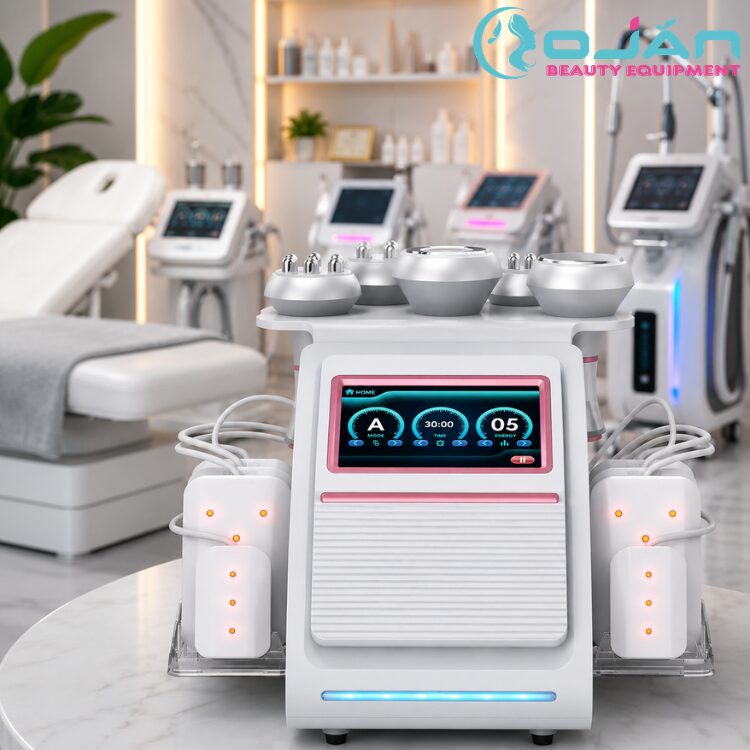
What Is Cavitation Treatment? Complete Guide For Beauty Clinics & Distributors
The beauty industry has changed dramatically over the last decade. Clients no longer want to go under the knife to reshape their bodies. They want effective, safe, and affordable alternatives and cavitation treatment has become one of the most popular answers to that demand.
Cavitation treatment is a non-invasive body contouring procedure that uses low-frequency ultrasound waves to break down fat cells beneath the skin. 1 – No surgery. 2- No needles. 3- No lengthy recovery. It is performed in clinics, spas, and wellness centers around the world, and the market for cavitation machines continues to grow year after year.
For beauty clinic owners and equipment distributors, understanding this treatment inside and out is essential. This guide covers how it works, who it is for, how to compare machines, and what makes a smart investment in this space.
How Cavitation Treatment Works

The Science Behind Ultrasonic Cavitation
Ultrasonic cavitation relies on a physical process called acoustic cavitation. When a handheld device is applied to the skin, it emits ultrasound waves at a frequency typically between 20 kHz and 60 kHz. These waves create rapid pressure changes in the fluid surrounding fat cells in the subcutaneous tissue layer.
The pressure variations cause microscopic bubbles called cavitation bubbles to form and collapse at high speed. This implosion creates intense local energy that disrupts the membrane of nearby fat cells without damaging surrounding tissue, nerves, or blood vessels. The process is sometimes called “selective destruction” because it targets fat cells specifically.
How Fat Cells Break Down During Treatment
Once the fat cell membrane ruptures, the contents, primarily triglycerides, are released into the interstitial fluid. The lymphatic system then picks up these fatty acids and glycerol and transports them to the liver, where they are processed and eliminated from the body as waste.
This is why post-treatment care matters. Hydration, light exercise, and a healthy diet all support the lymphatic drainage process and help the body clear the released fat more efficiently. Without this, results may be slower or less noticeable.
Main Benefits of Cavitation Treatment
Non-Invasive Body Contouring Advantages
The biggest advantage of cavitation treatment is that it achieves measurable fat reduction with zero surgical intervention. Clients walk in, have a session lasting 30 to 60 minutes, and walk out without stitches, compression garments, or painkillers. This makes it highly accessible for people who want results but are unwilling or unable to undergo surgery.
Other advantages include no scarring, no anesthesia, minimal discomfort during the session, and no downtime. Most clients return to daily activities immediately after treatment. For clinics, this means high client throughput and easy scheduling.
Why Clients Prefer Cavitation Over Surgery
Beyond the practical benefits, there is a strong psychological element. Many people are genuinely afraid of surgery. Others cannot afford liposuction or the time off work it requires. Cavitation offers a middle ground for visible fat reduction at a fraction of the cost and risk.
Client satisfaction rates for cavitation treatment are generally high when expectations are properly managed. It is not a weight loss solution, but for targeted fat reduction and body shaping, it delivers consistent results across a wide range of body types.
Areas Of The Body Commonly Treated

Abdomen and Waist
The abdomen is the most commonly treated area. Stubborn belly fat that resists diet and exercise responds well to ultrasonic cavitation. Many clients report a noticeable reduction in waist circumference after a series of sessions.
Thighs and Arms
Inner and outer thighs are another highly requested treatment area, along with the upper arms. These areas tend to accumulate localized fat deposits that are difficult to reduce through lifestyle changes alone. Cavitation is particularly effective here because the fat layer is relatively accessible.
Back and Love Handles
The flanks and upper back, commonly known as love handles and bra fat are also popular treatment zones. These areas respond well to cavitation and are frequently combined with radiofrequency (RF) skin tightening for a more complete contouring result.
Different Types of Cavitation Machines
Professional Salon Cavitation Machines
Professional-grade cavitation machines are designed for high-frequency clinic use. They feature larger transducers, more precise frequency controls, and higher output power to treat deeper fat layers. These machines are built for durability and consistent performance across multiple daily sessions.
Multifunction Cavitation Systems
Many modern devices combine ultrasonic cavitation with complementary technologies such as radiofrequency, vacuum suction, LED therapy, and EMS (electrical muscle stimulation). These multifunction systems allow clinics to offer a broader range of treatments using a single device, which improves return on investment and makes the equipment more versatile.
Portable Cavitation Devices
Portable cavitation units are compact, lightweight, and designed for mobile therapists, home service providers, or smaller clinics with limited space. While they are less powerful than professional salon machines, they offer a cost-effective entry point and reasonable results for appropriate candidates.
Cavitation Treatment Procedure Step by Step
Consultation and Skin Analysis
Every effective cavitation treatment begins with a thorough consultation. The therapist should assess the client’s health history, treatment goals, body composition, and skin condition. Certain conditions including pregnancy, pacemakers, and liver disease are contraindications that rule out treatment. Setting realistic expectations at this stage is key to client satisfaction.
Treatment Session Process
During the session, a conductive gel is applied to the treatment area. The therapist then moves the cavitation handpiece in slow, circular motions across the skin. The device emits a low buzzing sound as it works this is normal and expected. Most clients feel a warm, tingling sensation. The session typically lasts between 30 and 60 minutes depending on the area treated.
Post-Treatment Care Tips
After the session, clients should drink at least two liters of water to support lymphatic drainage. They should avoid alcohol, fatty foods, and heavy meals for 24 to 48 hours. Light cardio exercise is encouraged to further activate the lymphatic system. Sunscreen should be applied if any treated area is exposed to sunlight.
Who Is the Ideal Candidate for Cavitation Treatment?
The ideal candidate for cavitation treatment is an adult who is close to their target body weight but has stubborn, localized fat deposits that do not respond to diet and exercise. The treatment works best on people with good skin elasticity and a BMI below 30.
It is not suitable for obese individuals as a primary weight loss method. It also should not be used on people who are pregnant, breastfeeding, or have active skin infections, liver conditions, metal implants in the treatment area, or a history of cancer. A responsible clinic always screens clients carefully before booking sessions.
Cavitation Treatment Vs Liposuction
Safety Comparison
Liposuction is a surgical procedure that carries risks including infection, uneven results, nerve damage, and complications from anesthesia. Cavitation treatment carries none of these risks. The most serious side effects of cavitation are mild and temporary, such as redness, skin sensitivity, or slight swelling. From a safety standpoint, cavitation is significantly lower risk for appropriate candidates.
According to the American Society of Plastic Surgeons, liposuction remains one of the most performed cosmetic surgeries globally, but the trend toward non-invasive alternatives is accelerating. (Source: American Society of Plastic Surgeons Cosmetic Procedure Trends)
Cost Comparison
A single liposuction procedure can cost anywhere from $3,000 to $7,500 or more, depending on the area and the clinic. A full series of cavitation treatments, typically 6 to 12 sessions, usually totals between $800 and $2,500. For budget-conscious clients, this difference is decisive.
Recovery Time Differences
Liposuction requires one to two weeks of downtime in most cases, with full recovery taking up to six weeks. Clients must wear compression garments and restrict physical activity. Cavitation requires no recovery time whatsoever. Clients can resume normal activities, including work and light exercise, on the same day.
How Many Cavitation Sessions Are Needed?
Most clients require between 6 and 12 sessions to achieve their desired results, with sessions spaced at least 72 hours apart. This gap allows the body time to process and eliminate the released fat. Some clients see a difference after just two or three sessions, while others need a full course of treatment.
Maintenance sessions every one to three months are recommended to sustain results, particularly if lifestyle factors like diet and exercise are not consistently maintained. Clinics that offer package deals for a complete treatment course tend to see higher client retention and satisfaction.
Are Cavitation Treatments Safe?
Possible Side Effects
Cavitation treatment has a strong safety profile when performed by a trained therapist using a properly calibrated machine. Possible side effects include temporary redness, mild swelling, tingling or warmth in the treated area, and a slight buzzing sensation in the ears during treatment (due to the ultrasound frequency). These effects resolve within a few hours.
Serious adverse events are extremely rare and are almost always linked to improper technique, unsuitable screening failures, or the use of low-quality equipment.
Important Safety Guidelines
Therapists should always use the correct frequency settings for the treatment area, avoid treating over bony prominences or organs, and ensure the gel layer is consistently maintained throughout the session. Machines should be regularly calibrated and serviced. Staff training is not optional it is a core component of safe practice.
Why Beauty Clinics Invest In Cavitation Machines

High ROI for Beauty Businesses
Cavitation machines represent one of the best return-on-investment equipment purchases available to a beauty clinic. A mid-range professional machine may cost between $2,000 and $8,000. A single treatment course sold to one client can range from $800 to $2,000. With consistent bookings, the equipment pays for itself within weeks to months.
The consumable costs are low, primarily the conductive gel, and the treatment requires only one therapist. This makes cavitation a highly profitable addition to any clinic’s service menu.
Growing Demand in the Global Beauty Industry
The global body contouring market was valued at over $7 billion in recent years and continues to expand. Non-invasive treatments are driving the majority of growth, with ultrasonic cavitation among the top procedures. As awareness grows and device technology improves, demand from both consumers and clinic owners is expected to continue rising.
What to Look for When Buying Cavitation Equipment
Technology Features
When evaluating cavitation machines, buyers should look for precise frequency control, consistent power output, a range of transducer sizes for different body areas, and effective thermal protection systems. Multifunction systems that incorporate RF, vacuum, or LED offer added value. User-friendly interfaces and clear safety indicators are also important for day-to-day clinical use.
Certifications and Quality Standards
Only purchase from manufacturers or distributors who can provide CE certification, FDA registration (for US-market equipment), and RoHS compliance. These certifications confirm that the device meets recognized safety and electromagnetic compatibility standards. Ask for documentation before purchasing from any reputable supplier, who will provide it without hesitation.
OEM and Wholesale Opportunities
For distributors and entrepreneurs looking to build a branded product line, OEM (original equipment manufacturer) services offer a powerful opportunity. OEM partnerships allow buyers to customize equipment with their own branding, packaging, and software interface while benefiting from the manufacturer’s existing production infrastructure and quality controls.
Why Choose Ojan Beauty For Cavitation Machines

Factory Direct Pricing
Ojan Beauty operates as a factory-direct supplier, which eliminates middlemen and reduces costs for clinics and distributors. Buyers access professional-grade cavitation machines at wholesale prices without sacrificing quality or technical support.
Global Distribution Support
Ojan Beauty supports distributors and clinic buyers worldwide with logistics coordination, customs documentation, and after-sales technical support. Whether a buyer is in Europe, the Middle East, Southeast Asia, or elsewhere, the team is equipped to facilitate smooth international transactions.
Professional OEM Services
For brands looking to launch their own line of aesthetic equipment, Ojan Beauty offers comprehensive OEM services, including logo branding, custom color options, packaging design, and software customization. This allows distributors to bring a professional, market-ready product to their clients without investing in manufacturing infrastructure.
FAQs About Cavitation Treatment
Q 1: Does cavitation treatment remove fat permanently?
Cavitation destroys fat cells, which do not regenerate. In that sense, the results can be long-lasting. However, remaining fat cells in the body can still expand if a healthy lifestyle is not maintained. Clients who eat well and exercise regularly tend to enjoy lasting results.
Q 2: Is cavitation treatment painful?
Most clients describe the experience as comfortable. The most common sensation is warmth and mild tingling in the treatment area. Some people hear a faint buzzing sound during the session due to the ultrasound frequency. This is harmless. Pain is not a typical feature of the treatment.
Q 3: How long does a cavitation session take?
A standard session lasts between 30 and 60 minutes depending on the treatment area. Larger areas like the abdomen may take the full hour, while smaller zones such as the arms or flanks can be completed in 30 to 40 minutes.
Q 4: Can cavitation tighten skin?
Ultrasonic cavitation alone has limited skin-tightening effects. However, when combined with radiofrequency (RF) therapy, which stimulates collagen production, clients can experience noticeable skin firming alongside fat reduction. Many multifunction machines offer both technologies in one device for this reason.
Q 5: When can clients see results?
Some clients notice a change after the first or second session, though results become more apparent after several treatments. The body continues to process and eliminate fat for up to 72 hours after each session, so visible changes may develop gradually over the course of a treatment package.
Q 6: Who should avoid cavitation treatment?
Cavitation is not suitable for pregnant or breastfeeding women, people with pacemakers or metal implants in the treatment area, individuals with liver or kidney disease, those with active skin infections or inflammation in the target zone, and anyone currently undergoing cancer treatment. A full health screening is essential before beginning any cavitation program.
Final Thoughts
Cavitation treatment sits at the intersection of science, beauty, and accessibility. It delivers real, measurable results without the risks, costs, or recovery demands of surgical fat removal. For clients, it represents freedom from stubborn fat. For clinics, it represents a high-margin, high-demand service with proven client satisfaction.
As technology continues to advance and consumer awareness deepens, cavitation will only grow in relevance. Clinics that invest in quality equipment, trained staff, and evidence-based treatment protocols will be best positioned to lead in this space.
For distributors and business owners exploring the cavitation equipment market, partnering with a factory-direct supplier like Ojan Beauty provides a competitive advantage from pricing and certifications to OEM flexibility and global support. The demand is there. The technology is proven. The opportunity is real.