

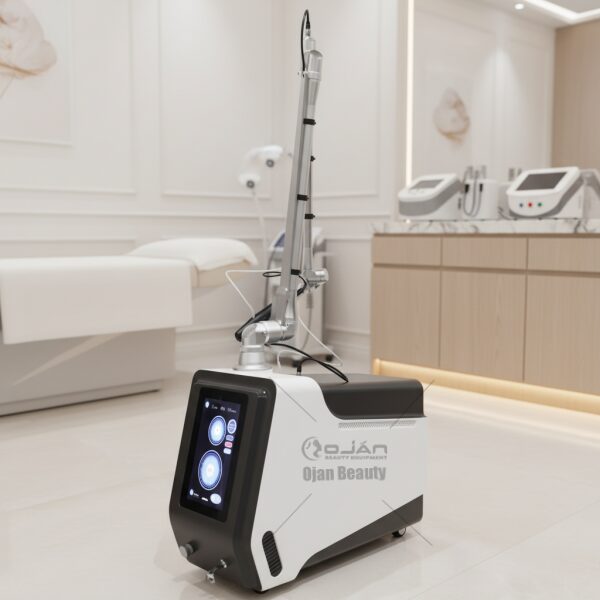
Why the MX-Q3 Portable Picosecond Laser Is Becoming a Go-To Choice for Clinics
Walk into any aesthetic clinic today and one thing becomes clear very quickly. Clients expect results faster than before. They do not want to wait through long treatment cycles or deal with extended recovery.
Tattoo regret is rising. Skin concerns are more varied. At the same time, clinics are trying to stay competitive without overspending on equipment that takes years to recover its cost.
MX-Q3 Portable Picosecond Laser

Picosecond Laser Tattoo Removal Machine Advanced Skin Rejuvenation & Pigmentation Removal Device
This is where devices like the MX-Q3 Portable Picosecond Laser start to make sense.
It is not just another machine added to a treatment room. It changes how a clinic approaches tattoo removal and skin correction as a whole. It allows more flexibility, more treatment options, and a smoother path to return on investment.
The Changing Demand in Tattoo Removal and Skin Treatments
People coming for care now know exactly what they want and have little time for slow results. Doctors notice that speed, comfort, and real progress matter most, changing how they pick and give the right treatments today.
Clients Want Faster Results
People no longer see tattoo removal as a long, uncertain process. They come in expecting visible fading within a few sessions. They also expect less discomfort and minimal disruption to their routine.
Older systems struggle to meet these expectations. They rely heavily on heat, which slows down recovery and often requires more sessions. Picosecond-based systems approach the problem differently.
Instead of heating the ink, they break it apart using rapid energy pulses. The particles become smaller, which makes it easier for the body to clear them. This simple shift changes how quickly results can appear.
Clinics Need Versatility, Not Just One Function
A machine that only removes tattoos limits how often it is used. Idle equipment does not generate revenue.
The MX-Q3 fits into a broader treatment plan. It can handle pigment issues, acne scars, and general skin improvement and works as a top-notch tattoo removal machine. That makes it easier to keep the device in use throughout the day.
What the MX-Q3 Brings Into a Clinical Setup
Any tool put in a clinic must prove its worth. The MX-Q3 does this by being both fast and versatile, giving staff a piece that slides into the routine without slowing things down or needing big changes.
A Portable System with Real Power
Portability usually comes with compromises. Lower power, limited features, or inconsistent performance. That is not the case here.
The MX-Q3 runs at 2000W with up to 2.0 Joules of energy. These numbers place it firmly in the professional category, even though the device itself is compact.
This balance is what makes it practical. It does not take over your treatment room, yet it delivers enough energy to handle stubborn pigment.
Key Technical Overview
| Specification | Detail | What It Means in Practice |
| Laser Type | Nd:YAG | Stable and widely used in clinics |
| Power Output | 2000W | Strong enough for dense ink and deeper layers |
| Pulse Duration | 2000ps | Reduced heat compared to older systems |
| Energy | Up to 2.0J | Effective pigment fragmentation |
| Spot Size | 2–10mm | Adjustable depth and coverage |
| Frequency | 1–10 Hz | Flexible treatment speed |
These numbers are not just technical points. They directly affect how the device performs during real treatments.
How the Technology Works in Real Terms
Learning how a tool runs should be very simple. What counts is that this gear brings about great results, fast visits, and safe care, which keeps patients happy and helps build up a clinic’s name.
Short Pulses Change the Outcome
Traditional lasers send energy over a longer period. That allows heat to spread into surrounding skin.
The MX-Q3 delivers energy in extremely short pulses. Even though it operates at 2000 picoseconds, which sits between classic nanosecond and ultra-short picosecond systems, the difference is still noticeable.
The pigment is broken apart through a pressure effect rather than heat buildup.
This leads to:
- Smaller ink particles
- Faster natural clearance
- Less stress on surrounding tissue
Multiple Wavelengths for Different Cases
One of the biggest limitations in tattoo removal is color variation. No single wavelength works for all pigments.
The MX-Q3 addresses this with several options.
Main Wavelengths
- 1064nm
Works on black and dark inks, penetrates deeper, safer for darker skin - 532nm
Targets red, orange, and yellow pigments closer to the surface
Optional Additions
- 785nm
Helps with green and blue tones that are usually harder to treat - 1320nm
Used for skin rejuvenation laserand carbon-based treatments
This flexibility allows clinics to take on a wider range of cases without referring clients elsewhere.

Pico laser Main Wavelengths
Beyond Tattoo Removal: Expanding Treatment Services
A device that serves only one purpose can limit growth. Clinics are now looking for systems that open up more treatment options, allowing them to address different skin concerns without investing in multiple machines.
Skin Rejuvenation Without Heavy Downtime
Many clients are not only looking to remove something. They want to improve how their skin looks overall.
The MX-Q3 supports this through controlled energy delivery beneath the skin surface. It creates tiny internal effects that trigger the body’s repair response.
Over time, this can lead to:
- Smoother texture
- Reduced acne scarring
- Softer fine lines
- More even tone
The outer layer of the skin remains largely intact, so recovery is short.
Treating Pigmentation and Uneven Tone
Pigmentation issues such as sun spots or melasma can be difficult to manage with heat-heavy devices. Excess heat can sometimes make the condition worse.
But with pigmentation removal system, shorter pulses and controlled energy, the MX-Q3 allows for gradual pigment breakdown. This reduces the chances of rebound pigmentation when handled correctly.
Why Clinics Are Adding This Device
Clinic owners are becoming more selective with their investments. They want equipment that brings steady returns, fits into their service mix, and helps them stay competitive without increasing financial pressure.
More Services, One Investment
Instead of buying separate machines for different treatments, clinics can rely on one system for multiple procedures.
This includes:
- Tattoo removal
- Pigmentation correction
- Acne scar improvement
- Skin rejuvenation
That kind of flexibility improves how often the device is used.
Faster Return on Investment
High-end laser systems can cost over $150,000. That creates pressure to recover costs over a long period. The MX-Q3 sits in a much lower price range, often between $1,500 and $4,000.
With multiple treatment options available, clinics can start generating revenue without waiting years to break even.
Space and Workflow Advantages
Large systems require dedicated space. Not every clinic has that luxury.
A portable device can be moved easily and integrated into existing rooms. This helps clinics that are working with limited space or shared treatment areas.
Practical Advantages in Day-to-Day Use
Daily operations matter just as much as performance. A device should be easy to handle, reliable during long sessions, and adaptable enough to work across different treatment types without slowing things down.
Stable Performance with Built-In Cooling
High power creates heat. If not managed, it can affect both safety and results.
The MX-Q3 uses a combination of air and water cooling. It also monitors temperature and water flow during operation.
This helps maintain:
- Consistent energy output
- Reduced risk of overheating
- More reliable treatment sessions
Adjustable Settings for Better Control
Every client is different. Skin type, ink depth, and pigment color all affect how the treatment should be performed.
The device allows adjustments in:
- Spot size
- Energy level
- Frequency
This level of control helps practitioners tailor treatments rather than relying on fixed settings.
Safety and Responsible Use
Safety is always part of the conversation when working with high-energy devices. Knowing how to adjust settings, understand skin types, and manage reactions plays a key role in achieving consistent results.

Introduction 7 Joint Light Guide Arm Of Portable Picosecond Laser Tattoo Removal Machine
Understanding Skin Types
Skin tone plays a big role in laser treatments. Darker skin absorbs more energy at certain wavelengths.
Using the wrong settings can lead to unwanted effects.
For example:
- 1064nm is generally safer for deeper penetration and darker skin
- 532nm requires more caution due to higher surface absorption
Proper assessment before treatment makes a significant difference in outcomes.
Common Reactions and How They Are Managed
Some reactions are expected after treatment:
- Redness
- Mild swelling
- Temporary sensitivity
These usually settle within a short time.
More serious issues are rare when the device is used correctly, but they can include:
- Blistering from excessive energy
- Hyperpigmentation from improper settings
Training and experience reduce these risks.
Comparing Your Options Before Buying
Clinics often weigh three categories of devices.
High-End Systems
- Very short pulse durations
- Extensive certifications
- High cost
Low-Cost Handheld Tools
- Limited power
- Minimal safety features
- Inconsistent results
MX-Q3 Portable System
- Professional-level output
- Multiple wavelengths
- Manageable cost
- Compact design
It fills the gap between expensive systems and low-quality alternatives.
Points to Consider Before Integration
Bringing a new device into a clinic involves more than just buying it. Setup, training, and ongoing maintenance all play a role in how smoothly the device becomes part of everyday treatments.
Training Matters
Even with a user-friendly interface, the device requires knowledge of:
- Laser physics basics
- Skin response patterns
- Treatment spacing
Proper training improves both safety and results.
Maintenance and Support
Like any Nd:YAG system, parts such as the flashlamp will need replacement over time.
Working with a reliable supplier or distributor helps avoid delays and keeps the device operational.
Compliance and Documentation
The device is produced by Guangzhou Ojan Beauty Equipment Company Limited and is associated with CE and ISO 13485 standards.
Clinics should verify documentation based on local regulations before use.
Final Thoughts
The MX-Q3 Portable Picosecond Laser fits into a growing need within the aesthetic industry. Clinics want equipment that performs well, adapts to different treatments, and does not require a massive financial commitment.
It offers a mix of power, flexibility, and practicality. It handles tattoo removal while also supporting skin treatments that keep clients coming back.
Used correctly, it becomes more than just a device sitting in a corner. It turns into a steady source of treatments and revenue, while helping clinics keep up with changing client expectations.

What the MX-Q3 Brings Into a Clinical Setup