

Latest Innovations In Fractional CO2 Laser Skin Rejuvenation (2025 Trends)
Fractional CO2 laser skin rejuvenation has been one of the most trusted and effective non-surgical cosmetic treatments for over a decade. In 2025, the technology has evolved with groundbreaking innovations that make treatments safer, faster, and more effective than ever before. From AI-assisted precision targeting to enhanced healing protocols, the latest trends are redefining how patients and professionals approach skin resurfacing.
This guide will explore the groundbreaking updates to keep in mind, whether you are a beauty clinic owner, dermatologist, or someone investigating skin rejuvenation options.
What Is Fractional CO2 Laser Skin Rejuvenation?

A fractional CO2 laser for skin rejuvenation is a non-invasive method of aesthetic treatment that utilizes carbon dioxide lasers to create microscopic injuries to the skin. These microscopic treatment zones trigger the natural healing mechanisms of the body, helping to initiate collagen production and to replace damaged skin cells with healthier ones.
It is widely used for:
- Wrinkle reduction
- Acne scar improvement
- Skin texture smoothing
- Hyperpigmentation treatment
- Sun damage repair
Unlike older CO2 laser treatments that targeted the entire skin surface, fractional technology treats only a fraction of the skin at a time. This approach significantly reduces downtime while maintaining excellent results.
Why 2025 Is a Turning Point for Fractional CO2 Laser Technology
Until recently, fractional CO2 lasers were limited by factors such as downtime, patient discomfort, and the risk of post-treatment pigmentation. The newest wave of innovations has transformed these limitations into advantages.
Key 2025 advancements include:
- AI-based energy modulation for personalized treatments
- Dual-mode wavelength systems for deeper and more versatile applications
- Skin cooling and oxygen infusion to minimize recovery time
- Smart scanning patterns to improve treatment efficiency
- Integration with RF (Radio Frequency) for enhanced collagen remodeling
These developments have expanded the scope of fractional CO2 laser treatments, making them accessible to more skin types and concerns.
Trend 1: AI-Powered Precision for Personalized Skin Treatments
One of the most exciting developments in 2025 is AI-driven treatment customization. AI software now analyzes a patient’s skin condition in real-time, adjusting:
- Laser power
- Pulse duration
- Density patterns
- Treatment depth
This ensures that each pulse delivers optimal energy for the individual’s skin type, age, and specific concerns, reducing the chance of over- or under-treatment.
For clinics, AI integration means fewer risks and more consistent outcomes, increasing client satisfaction and referrals.
Trend 2: Dual-Wavelength CO2 Lasers for Enhanced Versatility
Traditional fractional CO2 lasers work on a single wavelength, typically 10,600 nm. In 2025, dual-wavelength systems are becoming more common, combining:
- 10,600 nm for deep collagen stimulation
- 9,400 nm or similar for more superficial resurfacing and pigment correction
This combination allows practitioners to target multiple layers of skin in one session, addressing fine lines, deep wrinkles, and surface pigmentation more effectively.
Trend 3: Integration with RF Technology for Superior Collagen Remodeling
Radio Frequency (RF) energy has been a popular skin-tightening technology for years, and now, CO2 laser manufacturers are integrating RF with fractional lasers. This creates a two-in-one treatment that:
- Stimulates collagen production at deeper dermal layers
- Improves skin elasticity
- Reduces wrinkles and sagging more effectively
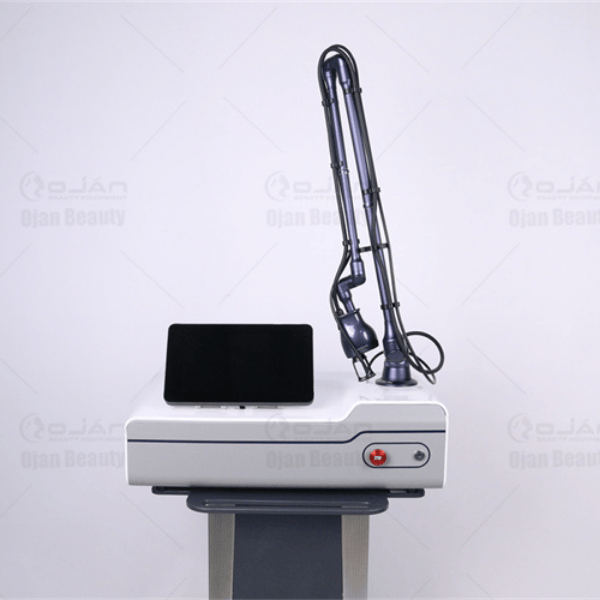
For example, the 7 in 1 RF Metal CO2 Fractional Laser Machine combines RF skin tightening with CO2 laser resurfacing, giving clinics the ability to offer faster, more dramatic results without significantly increasing downtime.
Trend 4: Smart Scanning Patterns for Minimal Downtime
Older CO2 lasers often caused unnecessary overlapping in treatment zones, increasing healing time. In 2025, smart scanning technology ensures:
- Minimal overlap
- Uniform energy distribution
- Reduced risk of thermal damage
These smart patterns also allow practitioners to treat larger areas in less time, which means clinics can accommodate more patients per day while clients enjoy shorter sessions.
Trend 5: Oxygen Infusion and Cryo-Cooling Systems
One common concern with CO2 laser treatments is post-treatment redness, swelling, and discomfort. Newer devices in 2025 integrate:
- Oxygen infusion systems that deliver high-concentration oxygen to speed up cell regeneration
- Cryo-cooling tips that numb the skin during treatment, improving comfort and reducing inflammation
These features mean patients can return to their daily activities more quickly, often within 3–4 days instead of a week or more.
Trend 6: Expanded Safety for All Skin Types
Historically, fractional CO2 lasers were considered risky for darker skin tones due to the potential for post-inflammatory hyperpigmentation (PIH). The latest models now feature:
- Lower energy settings with higher precision
- Pulse stacking controls for gentle resurfacing
- Integrated pigment-protection algorithms
This allows practitioners to treat Fitzpatrick skin types IV–VI with significantly reduced risk, opening up CO2 laser rejuvenation to a broader audience.
Trend 7: Combination Therapy Protocols
In 2025, clinics are increasingly combining fractional CO2 laser treatments with:
- PRP (Platelet-Rich Plasma) for faster healing
- Stem cell serums for enhanced regeneration
- Chemical peels for improved texture refinement
These combination protocols help patients achieve dramatic anti-aging results in fewer sessions.
Trend 8: Eco-Friendly & Low-Maintenance Designs
Sustainability is influencing every industry, and medical aesthetics is no exception. The latest CO2 laser machines are being designed with:
- Energy-efficient systems to reduce power consumption
- Long-lasting laser tubes for fewer replacements
- Modular components for easier maintenance
This is a win-win for clinics, lowering operational costs while aligning with eco-conscious client preferences.
Who Can Benefit from These Innovations?

With these advancements, fractional CO2 laser skin rejuvenation is now ideal for:
- Aging skin with fine lines, wrinkles, and laxity
- Acne scars that have resisted other treatments
- Pigmentation issues from sun damage or hormonal changes
- Textural irregularities such as enlarged pores or rough patches
Since modern systems can safely treat more skin types, even patients who were previously not candidates for CO2 laser resurfacing may now enjoy the benefits.
Choosing the Right Fractional CO2 Laser Machine for Your Clinic
If you’re a clinic owner or practitioner looking to stay ahead in 2025, selecting the right device is critical. Look for:
- Dual or multi-function capabilities (e.g., CO2 + RF)
- Smart scanning and AI-assisted controls
- Patient comfort features like cooling and oxygen infusion
- Proven manufacturer reliability and support
The 7 in 1 RF Metal CO2 Fractional Laser Machine from Ojan Beauty is a prime example, offering fractional CO2, RF skin tightening, and multiple treatment heads in one system. This allows clinics to provide a wide range of treatments without purchasing separate devices.


Post-Treatment Expectations In 2025

Thanks to the latest innovations, recovery from fractional CO2 laser treatments is shorter and more comfortable:
- Day 1–2: Mild redness and swelling
- Day 3–4: Light peeling or flaking
- Day 5–7: Noticeable improvement in texture and brightness
Many patients now schedule treatments on a Friday and return to work the following Monday with minimal visible downtime.
Future Outlook: What’s Next for CO2 Laser Skin Rejuvenation?
The pace of innovation shows no signs of slowing. In the next few years, we can expect:
- Nanosecond precision pulsing for even more targeted treatments
- Remote treatment monitoring via connected devices
- Full-spectrum skin rejuvenation systems integrating multiple wavelengths and energies in a single session
For beauty professionals, staying updated on these advancements will be key to offering the most competitive services.
Final Words
Fractional CO2 laser skin rejuvenation in 2025 is more advanced, safer, and more effective than ever before. With AI-assisted customization, dual-wavelength capabilities, RF integration, and patient comfort enhancements, clinics can now offer transformative results with minimal downtime.
If you’re looking to upgrade your clinic’s offerings or explore the benefits of these innovations for your skin, visit Ojan Beauty and explore advanced solutions like the 7 in 1 RF Metal CO2 Fractional Laser Machine to stay ahead of the trends.