

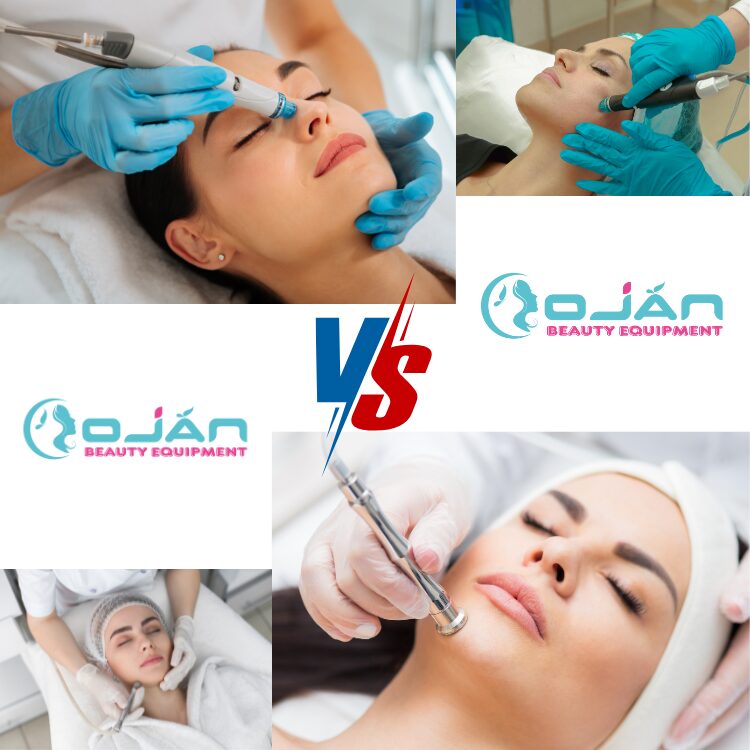
Hydrafacial Vs Microdermabrasion — Which Treatment Is Better For Glowing Skin In 2025
When it comes to achieving glowing, smooth, and youthful skin in 2025, many people find themselves comparing Hydrafacial vs Microdermabrasion. These two popular treatments both aim to brighten the skin, reduce blemishes, and improve texture—yet they work very differently. While Hydrafacial combines hydration, extraction, and exfoliation, Microdermabrasion is known for its deep manual exfoliation using crystals or diamond-tip tools.
In this detailed guide, we’ll break down everything you need to know. Let’s explore which option truly delivers a superior glow in 2025.
Understanding Hydrafacial Vs Microdermabrasion In 2025
In 2025, Hydrafacial and Microdermabrasion remain two of the most sought-after facial treatments. Both improve skin tone, texture, and radiance, but they do so using very different exfoliation strategies. Hydrafacial relies on water-based vortex technology, while Microdermabrasion uses a physical abrasion process. Understanding these core differences helps consumers decide which method aligns best with their skin type, comfort level, and long-term goals. Both treatments have evolved, but Hydrafacial continues to integrate more technology and customizable serums that make it especially appealing for sensitive and aging skin.
What Is a Hydrafacial? Overview & Process
What Is a Hydrafacial?
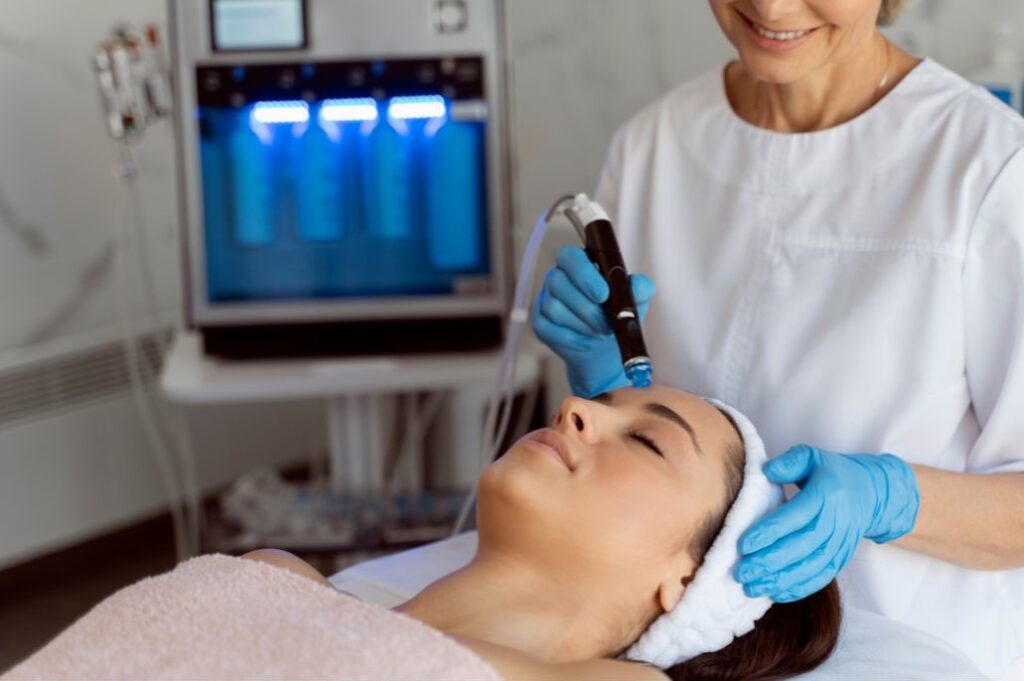
A Hydrafacial is a multi-step, medical-grade skincare treatment that combines cleansing, exfoliation, extraction, hydration, and antioxidant infusion. The process starts with gentle cleansing and exfoliation to remove surface debris. Then, a vortex suction tip painlessly extracts blackheads, oil, and build-up from the pores. Serum infusion follows, delivering hyaluronic acid, peptides, and antioxidants deep into the skin.
What makes Hydrafacial unique is its ability to exfoliate without irritation. Clients often describe the sensation as “cool and refreshing,” with no roughness or scratching. Optional add-ons, like LED therapy and lymphatic drainage, can enhance results further. The entire treatment typically takes 30–45 minutes, making it an efficient, low-downtime glow boost ideal for modern lifestyles.
What Is Microdermabrasion? Overview & Process
What Is Microdermabrasion?
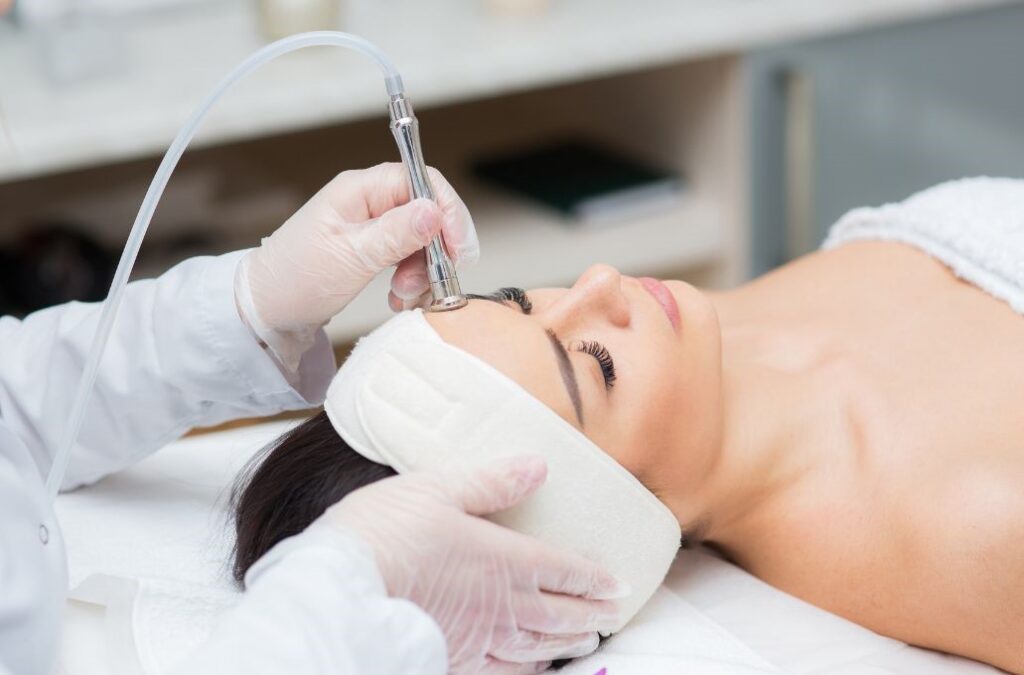
Microdermabrasion is a physical exfoliation treatment that removes the outermost layer of dead skin cells using either a diamond-tip wand or a stream of fine crystals. Unlike Hydrafacial, this treatment does not involve hydration or serum infusion. Instead, it focuses purely on resurfacing.
The process involves cleansing the skin, followed by controlled abrasion across the face. A suction device then removes loosened dead skin and debris. Microdermabrasion leaves the skin smoother and more radiant, but because it is more abrasive, it can cause temporary redness. It is an effective option for improving texture, dullness, and uneven tone—especially for those who prefer stronger exfoliation.
Key Differences Between Hydrafacial and Microdermabrasion
Though both treatments aim to improve the skin’s appearance, their techniques and outcomes differ significantly. Hydrafacial uses water-based technology to exfoliate gently while simultaneously nourishing the skin. Microdermabrasion is more mechanical and abrasive, focusing solely on removing dead skin. These variations mean the treatments suit different needs and skin types. Understanding their differences helps you identify which option aligns with your skin goals and tolerance for abrasive treatments.
Skin Exfoliation Methods
Hydrafacial uses a combination of chemical and water-based exfoliation that dissolves debris without scratching the skin. It also infuses serums at the same time. Microdermabrasion, on the other hand, uses physical exfoliation through crystals or a diamond-tip wand to buff away dead skin. This makes Microdermabrasion slightly harsher but effective for thick or rough skin. Each method has strengths, but hydration-based exfoliation is gentler and better suited for sensitive or aging skin.
Treatment Safety & Suitability
Hydrafacial is considered extremely safe for all skin types—including sensitive, acne-prone, dark, oily, and dry skin. Its non-abrasive nature minimizes irritation and inflammation. Microdermabrasion, however, is not ideal for rosacea, active acne, inflamed skin, or very sensitive complexions. Because it physically abrades the skin, minor swelling or redness may occur. In 2025, practitioners still consider Hydrafacial the safer and more universally suitable choice.
Technology Used in Each Treatment
Hydrafacial technology leverages vortex-fusion, water-jet exfoliation, and advanced suction. The machine’s specialized tips create a spiral motion that lifts impurities while delivering hydrating serums. Microdermabrasion machines rely on mechanical abrasion and suction power. They may use diamond-coated tips or aluminum oxide crystals. While both use suction, Hydrafacial’s technology is more sophisticated, customizable, and gentle on the skin.
Benefits of Hydrafacial for Glowing Skin
Hydrafacial has earned global popularity because it provides an instant, high-impact glow without discomfort or downtime. The unique combination of exfoliation, extraction, and hydration creates a visibly brighter complexion immediately after treatment. It also supports long-term skin health through antioxidant infusion and improved hydration levels—two things dehydrated and aging skin desperately need.
Deep Hydration
The biggest advantage of Hydrafacial is its ability to deeply hydrate the skin. When hyaluronic acid and nutrient-rich serums are infused during exfoliation, the skin absorbs them more effectively. This leads to plumper, softer, and more youthful-looking skin. Unlike moisturizers applied at home, Hydrafacial serums penetrate deeper, giving the skin long-lasting moisture that helps reduce dullness and dryness.
Instant Visible Brightening
Hydrafacial removes buildup, dead skin, and excess oil, allowing fresh, radiant skin to shine through. Many people experience a noticeable glow immediately after treatment—making Hydrafacial a popular “event-ready” facial. The brightening effect comes from both exfoliation and hydration, two factors that work together to reflect light more evenly off the skin.
Benefits for Acne, Texture & Fine Lines
Hydrafacial does more than brighten; it improves long-term skin health. The vortex suction effectively cleans out clogged pores, reducing blackheads and congestion. Over time, regular treatments can improve texture, soften fine lines, and support collagen production. The infusion of peptides and antioxidants helps fight free radicals, making the skin more resilient.
Benefits of Microdermabrasion for Glowing Skin
Microdermabrasion remains a go-to option for many who want strong exfoliation and smoother skin texture. Its ability to remove dull, dead surface skin gives almost instant radiance. While it does not hydrate or infuse serums, it clears the way for products to penetrate more effectively—making at-home skincare routines more impactful.
Manual Exfoliation & Dead Skin Removal
Microdermabrasion excels at physically removing buildup and rough patches. If you struggle with uneven texture, thick skin, or enlarged pores, this method can help resurface the skin more aggressively than Hydrafacial. It leaves the skin smoother to the touch and helps foundation sit more evenly.
Collagen Production Support
Although not as hydrating as Hydrafacial, Microdermabrasion may stimulate collagen production by causing controlled micro-injury to the skin. This subtle injury encourages the skin to repair itself, leading to gradual improvement in firmness and elasticity.
Skin Smoothness & Radiance
Microdermabrasion provides an instant improvement in smoothness. The buffing action removes the top layer of dull skin, revealing a more even tone beneath. While the glow may not be as dramatic as Hydrafacial, it is still noticeable and appreciated by those who want a no-serum, exfoliation-focused treatment.
Hydrafacial vs Microdermabrasion: Which Is Better for Different Skin Types?
Choosing between the two treatments depends greatly on your skin type. Both have strengths, but certain skin conditions respond better to one treatment over the other. Understanding this can save you money, time, and unnecessary irritation.
Sensitive Skin
Hydrafacial is by far the better choice for sensitive skin. The water-based exfoliation avoids harsh abrasion and reduces the risk of redness. Serums also help calm and moisturize the skin. Microdermabrasion may cause irritation and should be performed cautiously—if at all—on sensitive complexions.
Oily & Acne-Prone Skin
Hydrafacial is ideal for oily and acne-prone skin due to its deep suction extraction. It unclogs pores without spreading bacteria or causing inflammation. Microdermabrasion can be used for mild acne, but it is not recommended for active breakouts or cystic acne because it may worsen inflammation.
Aging & Dry Skin
Aging and dry skin benefit more from Hydrafacial because hydration is essential for maintaining elasticity and softness. Fine lines often look less visible after treatment. Microdermabrasion may be too drying or abrasive for mature skin, making Hydrafacial the superior choice.
Cost Comparison in 2025
Prices vary by region, experience level, and machine quality. However, the general price brackets have remained consistent in 2025.
Hydrafacial Pricing Breakdown
Hydrafacial typically costs between $150 and $300 per session. The advanced technology and serum infusion account for the higher price. Many clinics offer membership plans or package deals, reducing the cost per treatment.
Microdermabrasion Pricing Breakdown
Microdermabrasion is generally more affordable, with prices ranging from $70 to $150 per session. Because it is less technologically advanced and requires fewer specialty serums, it remains a budget-friendly choice.
Side Effects & Risks
While both treatments are considered safe, they do come with minor risks depending on the individual’s skin type and condition.
Hydrafacial Side Effects
Most Hydrafacial side effects are mild and temporary. Some individuals may experience slight redness, tightness, or sensitivity shortly after treatment. These symptoms typically fade within hours. The treatment is designed to be non-irritating and is therefore suitable for regular use.
Microdermabrasion Side Effects
Microdermabrasion may cause redness, swelling, and minor tenderness, especially in those with sensitive skin. Over-exfoliation is possible if treatments are too frequent or aggressive. People with rosacea, eczema, or active acne should avoid it to prevent flare-ups.
Treatment Longevity: How Long Do Results Last?
Hydrafacial results usually last 1–4 weeks, depending on skin type and skincare routine. Because hydration is delivered deep into the skin, the effects last longer than Microdermabrasion. Microdermabrasion results typically last up to 1 week, primarily because exfoliation does not address hydration or deeper concerns.
How to Choose the Right Treatment for You
Your skin type, goals, and tolerance for exfoliation will determine the best treatment. Hydrafacial is ideal for those seeking hydration, glow, and minimal downtime. Microdermabrasion suits individuals wanting stronger exfoliation without added serums. Consulting a professional can help you choose the appropriate treatment schedule.
Hydra Facial Water Dermabrasion Devices
Hydra Facial Water Dermabrasion machines are advanced devices built to perform Hydrafacial-style treatments. They combine exfoliation, extraction, and infusion to replicate professional-grade results. They have become increasingly popular in spas and beauty businesses in 2025.
Ojan Beauty offers high-quality devices suitable for clinics and spa professionals looking to enhance their treatment offerings.
What These Devices Are
These machines use pressurized water, suction, and infusion technology to cleanse and hydrate the skin. They are designed to safely exfoliate without irritation, making them suitable for all skin types. Many modern devices come with multiple tips and adjustable suction levels for customization.
Who Should Use Them
Hydra Facial Water Dermabrasion devices are ideal for licensed estheticians, spa owners, dermatologists, and beauty clinics. They allow businesses to provide premium Hydrafacial-style services with consistent, professional-level results. Consumers increasingly seek these treatments, making them a profitable investment.
Frequently Asked Questions
1. Which treatment gives better results: Hydrafacial or Microdermabrasion?
Most people find that Hydrafacial gives a more noticeable glow and longer-lasting hydration. Microdermabrasion is great for strong exfoliation, but Hydrafacial offers more benefits in a single session.
2. Is Hydrafacial safe for acne-prone skin?
Yes, Hydrafacial is one of the safest treatments for acne-prone skin because it removes impurities without irritating.
3. Does Microdermabrasion hurt?
Microdermabrasion may feel slightly gritty or scratchy, but is generally not painful. Some mild sensitivity may follow the treatment.
4. How often should you get a Hydrafacial?
Most people benefit from treatments every 3–4 weeks to maintain hydration and glow.
5. Can both treatments be combined?
Yes, but not on the same day. Many professionals alternate Hydrafacial and Microdermabrasion sessions to achieve the best of both worlds.
6. Which treatment is better for anti-aging?
Hydrafacial is better for anti-aging due to hydration, peptides, and antioxidants that target fine lines and firmness.
Final Thoughts
When comparing Hydrafacial vs Microdermabrasion, Hydrafacial emerges as the superior treatment for most people in 2025. It offers hydration, exfoliation, extraction, and serum infusion in one gentle yet effective session. While Microdermabrasion remains a strong exfoliation method, Hydrafacial provides more noticeable brightness, better long-term results, and improved skin health without irritation. For sensitive, aging, or dehydrated skin, Hydrafacial is the clear winner. Microdermabrasion serves those who prefer strong exfoliation but lack the multi-benefit approach of Hydrafacial.