

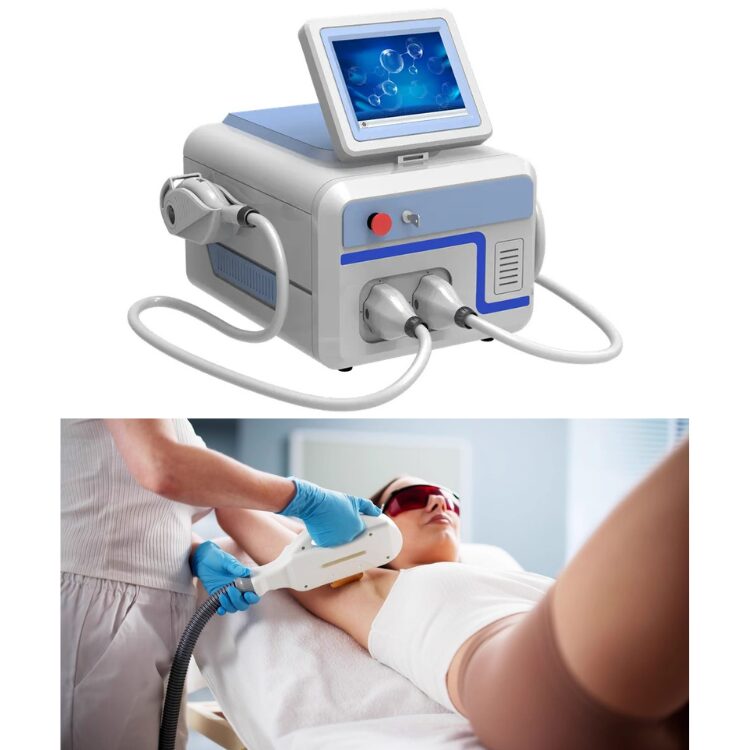
How Many Treatments For Laser Hair Removal? Professional Guide For Clinics & B2B Buyers
Laser hair removal is one of the fastest-growing aesthetic treatments worldwide, and clinics often receive the same question from clients: “How many treatments for laser hair removal do I need?” Understanding how many sessions are necessary is crucial for setting accurate expectations and building trust with patients. For B2B buyers and clinic owners, knowledge of treatment cycles also helps determine which technology is best for achieving maximum efficiency.
Laser and IPL devices work by targeting melanin in the hair follicle and gradually reducing its ability to regrow. But because the human hair cycle is complex, results depend heavily on timing, device quality, and treatment frequency. This section introduces the fundamentals of treatment cycles so clinics can offer predictable, professional outcomes.
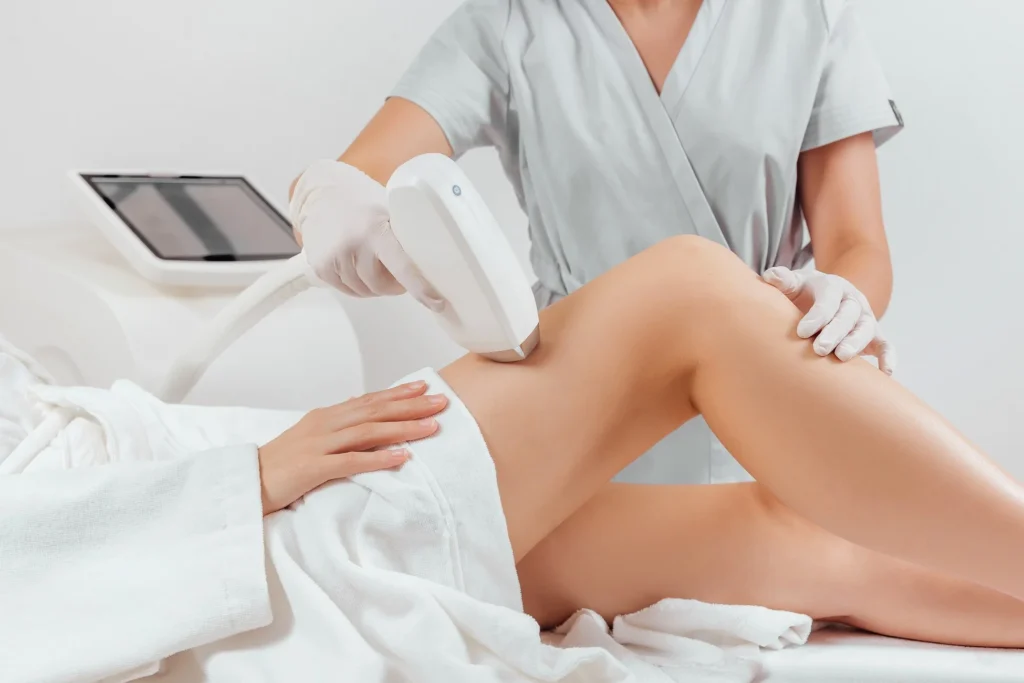
How Many Treatments For Laser Hair Removal?
Understanding the Science Behind Hair Growth Cycles
Hair growth happens in repeating cycles. At any given time, a client’s body contains hairs in various stages of growth, which is why single-session laser results are never possible. Effective laser hair removal depends on striking the right follicles at the right time.
Understanding each cycle allows technicians to schedule treatments correctly and helps B2B buyers choose devices with enough power and wavelength penetration to disrupt the active follicles. As the growth cycle varies by body area, density, age, and hormones, the session count must be customized. With scientific insights into these cycles, clinics can create more accurate treatment plans—leading to greater client satisfaction and fewer misunderstandings during consultations.
The Anagen Phase and Its Importance in Effective Hair Removal
The anagen phase is the “active growth” phase of the hair cycle, and it plays the greatest role in determining how many treatments clients need. During this phase, the hair follicle is rich in melanin and deeply rooted, allowing laser or IPL devices to deliver energy precisely to the base of the follicle. Because only 20–30% of a person’s hair is in the anagen phase at once, only those hairs can be permanently affected during a single session. This limitation is why multiple treatments are essential.
Understanding the anagen phase empowers clinic professionals to explain why consistency and scheduling matter. For buyers choosing equipment, powerful devices with optimized pulse width and wavelength settings can increase the effectiveness of each session, giving the clinic better treatment outcomes.
Why Multiple Sessions Are Needed
Multiple sessions are required because hair follicles grow independently and cycle at different times. A clinic might target many hairs successfully in one appointment, but the majority will be in resting or transitional phases where melanin isn’t strong enough to absorb laser energy. Additionally, factors like hormonal activity, genetics, and body area influence how quickly each follicle cycles back into active growth.
Laser energy does not permanently remove inactive follicles, so repeated visits are essential for capturing each follicle during its anagen phase. Over several treatments, hair becomes finer, lighter, and sparser, ultimately leading to long-term reduction. Clinics should emphasize this biological reality during consultations to build realistic expectations and decrease the risk of client dissatisfaction.
How Many Treatments for Laser Hair Removal? (Core Question)
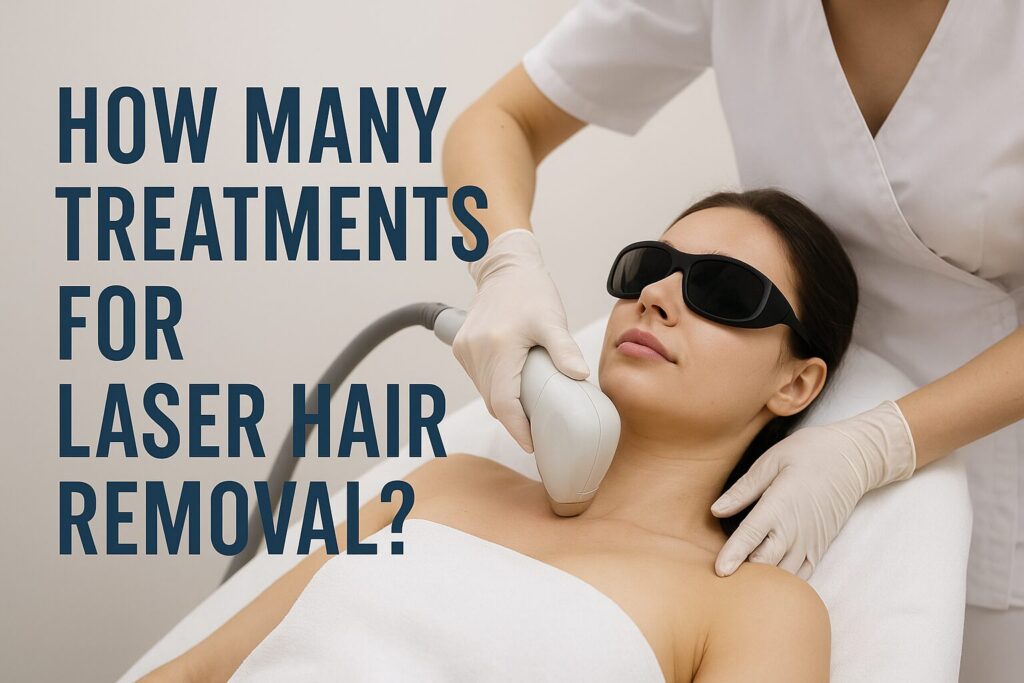
The number of sessions varies, but most clients require 6–12 treatments depending on body area, technology used, skin-hair contrast, and biological factors. Clinics should present session ranges rather than exact figures because each person’s response is unique. This section serves as the central guide to help professionals communicate realistic numbers, supported by scientific reasoning and clinical experience.
Average Number of Sessions for Different Body Areas
Different areas of the body respond at different speeds due to variation in hair density, follicle thickness, and growth cycles. For example, underarms, bikini, and legs typically respond faster because the hair is thicker and richer in melanin, which absorbs energy more effectively. Meanwhile, facial hair—especially areas influenced by hormones—often requires more sessions because the follicles are more resistant and cycle quicker. On average, clinics can expect: underarms (6–8 sessions), legs (8–12), bikini (6–10), arms (8–10), back (8–12), and face (10–12). These numbers help shape treatment programs that guide the client through a clear, predictable schedule, avoiding unrealistic expectations.
Factors That Influence Required Session Count
Many factors influence how many sessions a person needs. Clinics must evaluate each client individually rather than relying on general numbers. These factors include skin type, hormonal activity, medical history, hair thickness, and even the technology used. Proper assessment allows clinics to personalize treatment plans and predict the most accurate session count possible. For B2B buyers, understanding these factors helps determine which device features—wavelength, energy output, or cooling systems—are necessary to serve a broad range of clients effectively.
Skin Type
Skin type directly affects how energy is absorbed. Fitzpatrick Types I–III usually respond faster because the contrast between the skin and hair pigment allows for better targeting. Meanwhile, Types IV–VI require more careful settings to avoid overheating the skin. These clients may need more sessions due to reduced fluence levels for safety. Clinics should use SHR or diode technologies for darker skin to minimize discomfort while maintaining effectiveness. Understanding skin type ensures proper energy selection and helps manage treatment expectations realistically.
Hair Density & Thickness
Thicker, denser hair absorbs more energy, leading to faster reductions. That’s why areas like the bikini line or underarms often show quicker results compared to fine facial hair. However, dense hair also requires more initial energy and possibly more sessions to ensure consistent destruction of follicles. As hair becomes finer over time, adjustments must be made to avoid overtreating. For clients with hormonal conditions, hair may regrow faster and require additional maintenance sessions.
Device Technology (IPL, SHR, Diode, etc.)
Device choice has a major impact on how many treatments clients need. IPL systems often require more sessions because energy is dispersed across a range of wavelengths. SHR technology provides gradual heating, improving comfort and reducing required sessions. Diode lasers penetrate deeper, making them ideal for coarse hair and reducing total sessions. Clinics and B2B buyers should select devices that match their client demographics to maximize treatment efficiency and revenue.
Treatment Intervals: How Often Should Clients Return?
Treatment intervals are essential for capturing follicles as they enter the anagen phase. Space sessions too closely, and many follicles will still be in resting phases. Space them too far apart, and hair may regress between visits. Understanding precise timing helps clinics provide better long-term outcomes.
Recommended Gaps Between Sessions
The typical recommendation is 4 weeks for facial areas and 6–8 weeks for body areas. Facial follicles cycle faster, so shorter intervals capture more anagen hairs more quickly. Body hair cycles more slowly, requiring longer gaps. Maintaining regular intervals ensures consistent progress and minimizes the total number of required sessions. Clinics should educate clients that missing appointments delays results and may increase the session count.
Adjustments for Individual Patient Needs
Some clients may require customized intervals due to hormonal conditions, medication use, or inconsistent growth patterns. For example, women with PCOS may need slightly shorter intervals for the face due to rapid follicle turnover. Clients who are highly sensitive may need lower energy settings, which can extend the total treatment duration. Technicians should monitor weekly or monthly hair behavior and adjust appointment timing for best results.
Comparing Technologies: IPL vs SHR vs Diode for Required Sessions
Technology determines not only comfort and safety but also how many sessions a client ultimately requires. Each platform has its own strengths, and choosing the right one allows clinics to reduce total treatment time while improving results.
IPL Treatment Count Overview
IPL tends to require 8–12 sessions for most areas because its broad-spectrum wavelengths are less targeted than lasers. However, IPL is highly versatile and works well for skin rejuvenation, pigmentation, and vascular treatments, making it a valuable multi-treatment device. Modern IPL systems with strong cooling can achieve impressive hair reduction results, but they require an experienced operator to maximize efficiency.
SHR Treatment Count Overview
SHR technology heats follicles gradually, allowing for pain-free and fast treatments. SHR often reduces total sessions to 6–10, especially for body areas. Because the energy is delivered in-motion and at lower intensities, it is safer for darker skin types. SHR is ideal for high-volume clinics due to its speed and high patient comfort.
Diode Laser Treatment Count Overview
Diode lasers offer deep penetration and are especially effective for coarse hair and larger body areas. With wavelengths like 808nm or triple-wavelength systems, diode lasers typically achieve results in 6–8 sessions. For clinics focused primarily on hair removal, diode lasers offer the most consistent outcomes across a wide client base.
Laser Hair Removal Machines for Clinics & B2B Buyers
Equipment selection is one of the biggest factors in determining treatment efficiency and client satisfaction. Quality machines reduce session count, improve comfort, and deliver higher ROI. Below are some Ojan Beauty devices ideal for professional settings.
Best IPL and SHR Machines for Reducing Total Treatments
Choosing machines with consistent output, advanced cooling, and strong energy delivery is essential for reducing treatment frequency. Ojan Beauty offers high-performance IPL and SHR systems designed for professional clinics seeking reliable, effective hair removal solutions that satisfy long-term clients.
Product Overview: IPL Hair Removal Machine
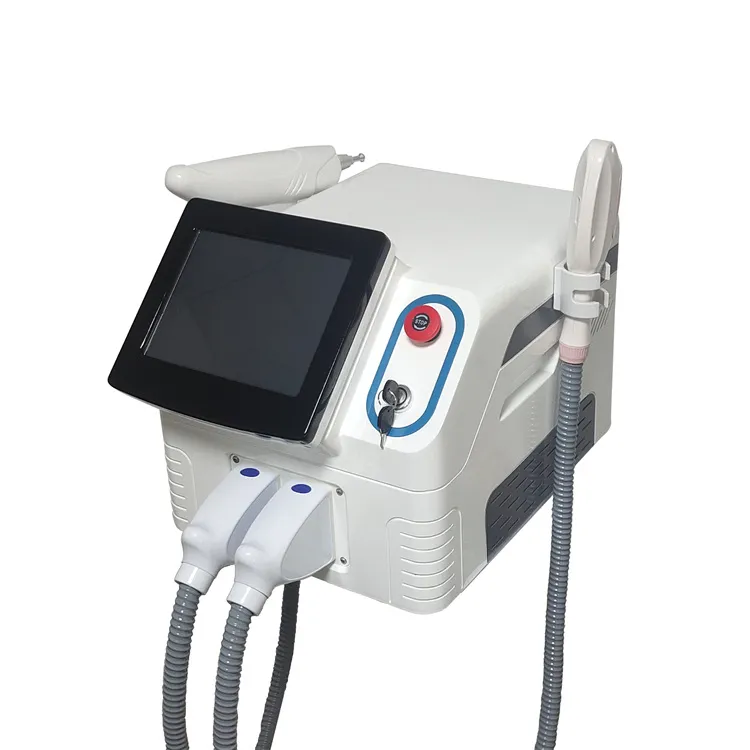
IPL Hair Removal Machine
This IPL device offers both hair removal and skin rejuvenation capabilities, making it valuable for multi-treatment clinics. Its broad wavelength range efficiently targets melanin while allowing customizable settings for sensitive skin. Strong cooling ensures client comfort, and the machine’s stable output leads to consistent results. Clinics can use this device for clients who need both hair removal and skin treatments, maximizing service offerings.
Product Overview: Best IPL SHR Hair Removal Machine

Best IPL SHR Hair Removal Machine
This SHR device uses rapid pulse delivery for pain-free sessions, making it ideal for clients sensitive to traditional IPL heat. SHR technology allows gradual heating of follicles, reducing total treatment time and increasing comfort. With high-speed operation, this machine is ideal for clinics with large daily client volumes.
Product Overview: SHR IPL Two-Handle Machine
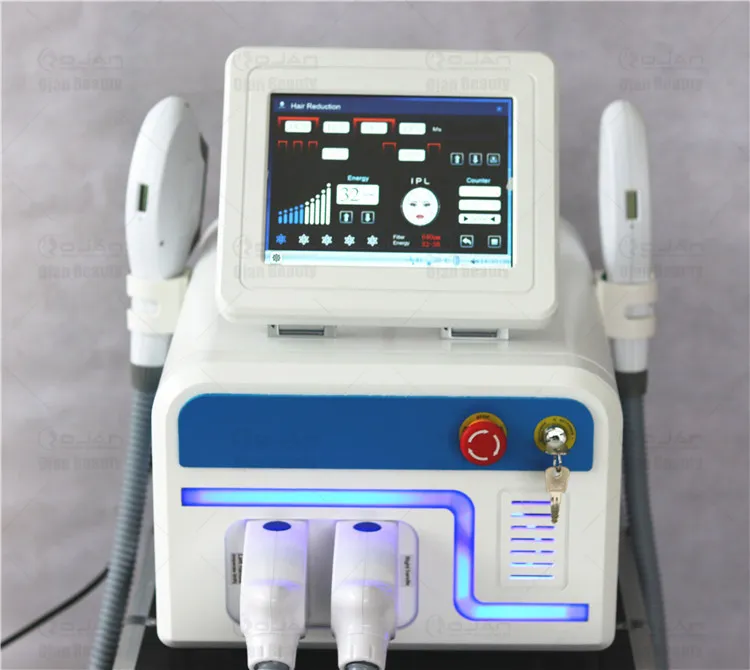
SHR IPL Two-Handle Machine
This two-handle system allows clinics to switch between SHR and IPL depending on treatment type. It increases workflow efficiency, enabling clinics to treat multiple clients back-to-back. The dual-handle design also extends device longevity by sharing workload across handpieces.
Tips for Clinics to Improve Results and Reduce Session Count
Clinics can significantly influence treatment efficiency by following proper protocols before, during, and after each session. Educating clients and using the correct operator techniques ensures faster reduction and lowers total required sessions.
Pre-Treatment Client Instructions
Clients should arrive shaved, not waxed or plucked, since follicles must be intact for energy absorption. They should avoid sun exposure and tanning beds for two weeks before treatment to reduce burn risk. Clients should also avoid using retinoids or strong exfoliants on the treatment area. These instructions help ensure that the skin is healthy, stable, and receptive to laser energy.
Laser Operator Best Practices
Operators should perform patch tests, adjust fluence based on skin type, and maintain steady handpiece movement. Using optimal energy settings ensures hair is effectively targeted without damaging skin. Technicians should adjust settings as hair becomes finer over time. Proper training ensures that each session contributes meaningfully to long-term hair reduction.
Post-Treatment Care Recommendations
After treatment, clients should avoid heat exposure, saunas, hot showers, and direct sunlight for 24–48 hours. They should use high-SPF sunscreen and apply soothing gels such as aloe vera. Good aftercare ensures skin recovers well, reduces irritation, and maintains consistent progress throughout the treatment plan.
Cost Considerations for Clinics and B2B Buyers
Investing in laser hair removal equipment requires understanding cost structure, market pricing, and long-term ROI. Higher-end machines often reduce treatment time and improve client satisfaction, dramatically increasing overall revenue for the clinic.
Treatment Cost Breakdown by Technology
Technology influences both treatment quality and pricing. SHR and diode laser treatments can be priced higher due to their efficiency, comfort, and fewer required sessions. IPL treatments may cost less per session but offer versatile treatment options. Clinics should structure pricing based on device type, treatment time, and regional competition.
ROI for Clinics Using IPL & SHR Devices
High-performance machines from Ojan Beauty are built with stable power supplies, efficient cooling, and strong energy output—reducing maintenance needs and maximizing uptime. With faster treatment times and fewer sessions required, clinics can serve more clients and increase profitability. Explore the full category here: Elight IPL Laser Machine
Frequently Asked Questions (FAQs)
- How many treatments for laser hair removal do most clients need?
Typically 6–12 treatments, depending on body area and device used. - Why do facial areas need more treatments?
Hormonal influence makes facial hair more resistant. - Does SHR reduce the number of sessions needed?
Yes. SHR often reduces total treatments due to gradual heating technology. - Can clients see results after one session?
They may notice thinner regrowth, but long-term reduction requires multiple sessions. - Are IPL machines good for professional clinics?
Yes. Modern IPL systems deliver reliable results when operated correctly. - Do clients need maintenance sessions?
Most clients benefit from maintenance every 6–12 months.
Final Words
Understanding how many treatments for laser hair removal clients need is essential for clinics, med spas, and B2B buyers who aim to deliver reliable and predictable results. With averages ranging between 6–12 sessions, choosing the right technology—IPL, SHR, or diode—can significantly shorten the treatment plan. Following proper protocols and investing in high-quality equipment from Ojan Beauty enhances treatment outcomes, client satisfaction, and long-term business growth.
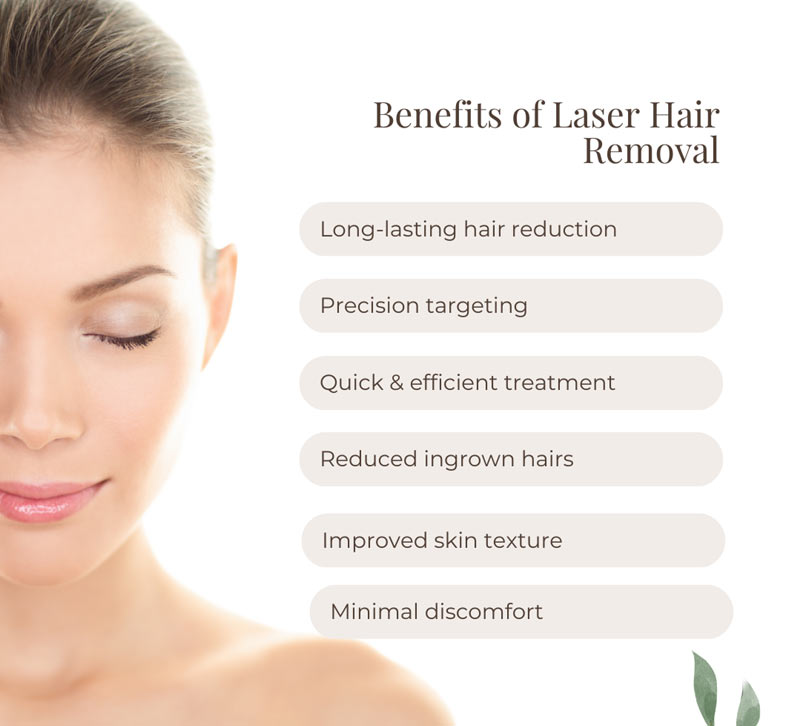
Benefits Of Laser Hair Removal
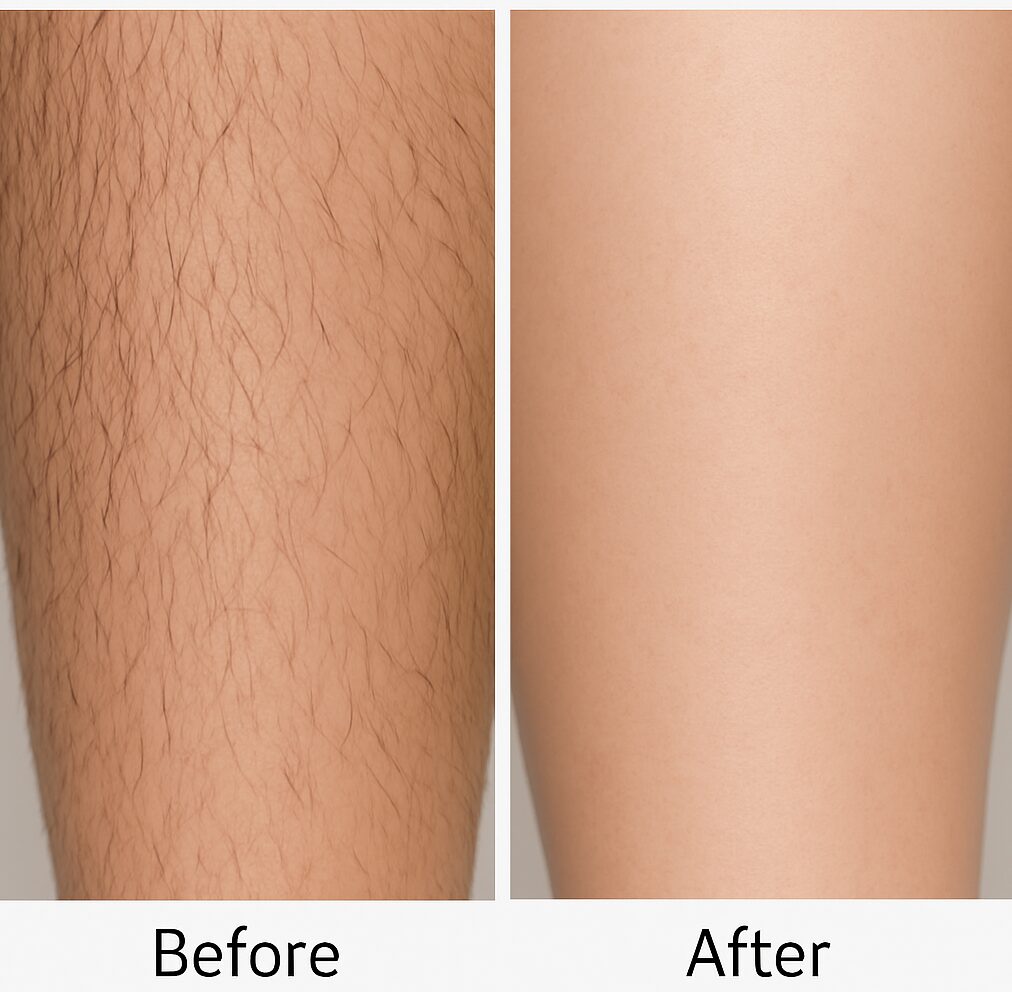
Before And After Treatments For Laser Hair Removal