

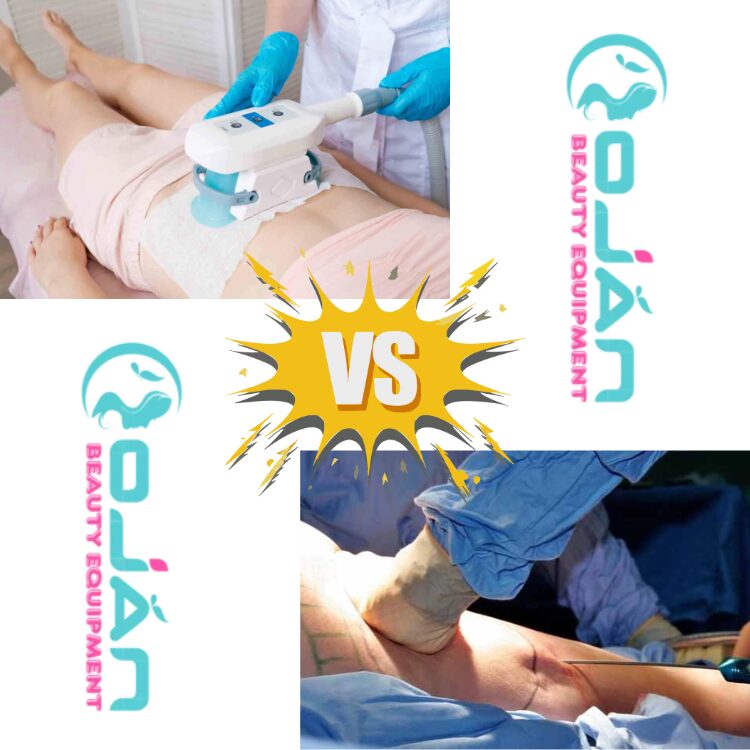
CoolSculpting Vs Liposuction: 9 Expert-Backed Differences To Choose The Best Fat Reduction Option
When it comes to non-surgical and surgical fat reduction, many people find themselves comparing CoolSculpting vs Liposuction. Both treatments are designed to reduce stubborn fat that resists diet and exercise, but they work in very different ways and deliver different results. Choosing the right option depends on your goals, budget, and comfort with downtime.
In this article, you will learn the key differences between CoolSculpting and liposuction, including how each treatment works, expected results, recovery time, potential risks, costs, and which option may be the best fit for your body and lifestyle.
Understanding Fat Reduction Treatments
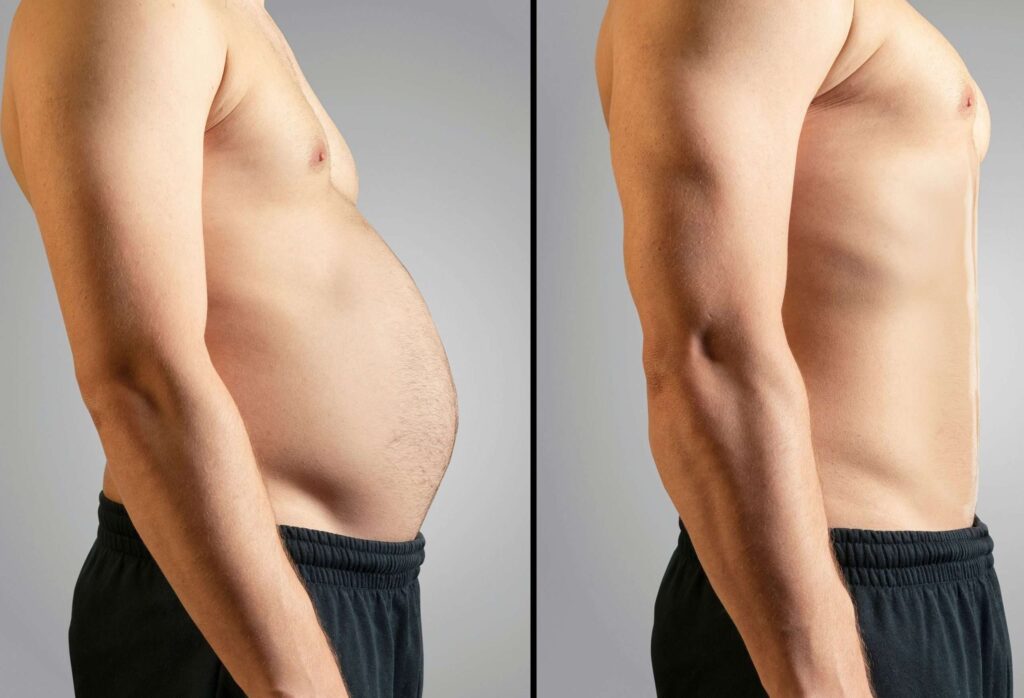
Fat reduction treatments are cosmetic procedures designed to reduce stubborn fat that does not respond well to diet and exercise. These treatments focus on reshaping specific areas of the body rather than promoting overall weight loss. When people compare CoolSculpting vs Liposuction, they are usually looking for an effective way to improve body contours, enhance confidence, and achieve a more sculpted appearance.
Modern fat reduction methods range from non-invasive technologies to surgical procedures. Each option has different benefits, limitations, recovery times, and costs. Understanding how these treatments work is essential for making a safe and informed decision. Choosing the right method depends on your goals, health status, lifestyle, and comfort with medical procedures.
What Is Body Contouring?

Body contouring refers to cosmetic treatments that reshape or refine specific areas of the body by removing or reducing fat. These procedures are not designed to treat obesity or replace healthy habits. Instead, they focus on areas like the abdomen, thighs, arms, and flanks where fat often remains despite consistent exercise.
Both surgical and non-surgical body contouring options aim to improve proportions and enhance natural body shape. Liposuction offers immediate fat removal, while CoolSculpting provides gradual fat reduction. Understanding body contouring helps set realistic expectations and prevents disappointment after treatment.
Why Spot Fat Is Hard to Remove
Spot fat is difficult to eliminate because fat distribution is influenced by genetics, hormones, age, and metabolism. Some areas store fat more stubbornly, even when overall body weight decreases. This is why people may lose weight but still struggle with belly fat, love handles, or thigh fat.
Exercise strengthens muscles and burns calories, but it cannot target specific fat deposits. Fat reduction treatments work by directly targeting fat cells in problem areas. This targeted approach explains why procedures like CoolSculpting and liposuction are appealing to people close to their ideal weight.
What Is CoolSculpting?

CoolSculpting is a non-surgical fat reduction treatment cleared by the FDA. It uses controlled cooling technology to freeze and destroy fat cells without harming surrounding tissue. Because it does not require incisions or anesthesia, CoolSculpting is considered a low-risk cosmetic procedure.
This treatment is popular among individuals who want subtle body contouring with minimal downtime. Results appear gradually as the body naturally removes the damaged fat cells over time. CoolSculpting is best suited for small, stubborn fat pockets rather than large fat deposits.
How CoolSculpting Works
CoolSculpting works by applying a specialized device to the skin that delivers controlled cooling to underlying fat cells. These fat cells are more sensitive to cold than skin, nerves, and muscles. Once frozen, the fat cells are damaged and begin a natural cell death process.
Over the following weeks and months, the body’s lymphatic system processes and eliminates the destroyed fat cells. This gradual process creates natural-looking results without sudden changes. Most patients can return to normal activities immediately after treatment.
Cryolipolysis Explained
Cryolipolysis is the scientific process behind CoolSculpting. It is based on the discovery that fat cells are more vulnerable to cold temperatures than other tissues. When exposed to controlled cooling, fat cells crystallize and break down.
The body then recognizes these damaged cells as waste and removes them naturally. Clinical studies show an average fat reduction of about 20 to 25 percent in treated areas. Cryolipolysis does not tighten skin or build muscle, which is important to understand when setting expectations.
In clinical and med spa settings, this technology is delivered through professional cryolipolysis machines that are designed to maintain precise cooling temperatures for safe, consistent, and effective fat reduction treatments.
Areas CoolSculpting Can Treat
CoolSculpting is approved to treat multiple areas of the body where localized fat tends to accumulate. Common treatment areas include the abdomen, flanks, inner and outer thighs, upper arms, bra fat, back fat, and under the chin.
These areas respond well because they contain pinchable fat that can be safely cooled. CoolSculpting is not recommended for areas with loose skin or for people seeking dramatic fat loss. A professional consultation ensures proper candidacy and safe application.
Benefits of CoolSculpting
CoolSculpting offers several advantages, especially for people who want a non-invasive option. There is no surgery, no anesthesia, and no needles involved. Most treatments take less than an hour, and patients can return to work the same day.
Side effects are usually mild and temporary, such as redness, numbness, or tingling. Because results appear gradually, changes look natural. For individuals who want subtle contouring without downtime, CoolSculpting can be an appealing choice.
What Is Liposuction?
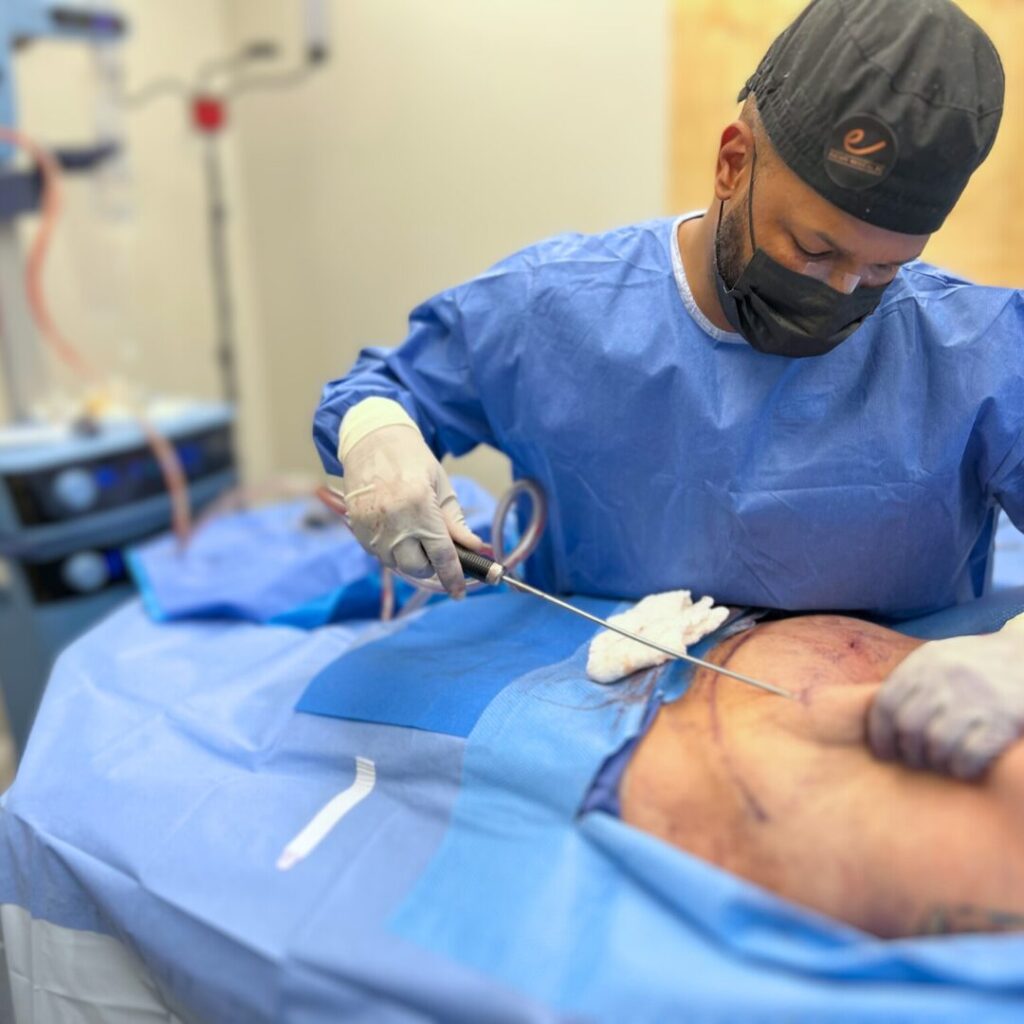
Liposuction is a surgical procedure that removes fat cells directly from the body using suction. It has been performed for decades and is one of the most effective methods for removing larger volumes of fat in a single session.
Unlike non-invasive treatments, liposuction requires incisions, anesthesia, and recovery time. However, it provides immediate and noticeable results once swelling subsides. Liposuction is commonly chosen by people who want more dramatic body reshaping.
How Liposuction Works
During liposuction, a surgeon makes small incisions in the targeted area and inserts a thin tube called a cannula. The cannula breaks up fat cells, which are then suctioned out of the body using a vacuum device.
The procedure can be performed under local or general anesthesia, depending on the area treated and the amount of fat removed. Precision and surgeon skill are critical for achieving smooth, natural-looking results.
Surgical Fat Removal Techniques
Modern liposuction techniques have improved safety and outcomes. Methods such as ultrasound-assisted and laser-assisted liposuction help loosen fat cells before removal, making the process more efficient.
These advanced techniques may reduce trauma to surrounding tissues and improve recovery time. However, liposuction is still a surgical procedure with inherent risks, making proper medical evaluation and board-certified surgeons essential.
Types of Liposuction
There are several types of liposuction available today. Tumescent liposuction is the most common and involves injecting a fluid mixture to reduce bleeding and pain. Ultrasound-assisted liposuction uses sound waves to break up fat.
Laser-assisted liposuction uses heat to liquefy fat and may provide mild skin tightening. Each type has unique benefits, and the choice depends on the patient’s needs and the surgeon’s expertise.
Benefits of Liposuction
Liposuction offers immediate and significant fat reduction. It is effective for treating larger areas and removing more fat than non-invasive methods. Results are long-lasting as long as weight is maintained.
For people seeking noticeable body transformation, liposuction can deliver dramatic improvements. It also allows surgeons to sculpt and shape the body with high precision, making it a powerful body contouring option.
CoolSculpting vs Liposuction: Key Differences

Comparing CoolSculpting vs Liposuction highlights major differences in effectiveness, recovery, cost, and risk. These differences help determine which option best matches an individual’s goals and comfort level.
Both treatments permanently remove fat cells, but they do so in very different ways. Understanding these distinctions helps patients make informed decisions and avoid unrealistic expectations.
Compared to liposuction, CoolSculpting-style treatments use non-surgical body contouring equipment, making them a preferred option for individuals who want fat reduction without incisions or anesthesia.
Effectiveness and Results
CoolSculpting reduces fat gradually, typically removing about 20 to 25 percent of fat in the treated area. Results appear over several weeks and may require multiple sessions.
Liposuction removes fat immediately and can eliminate a much larger volume in one procedure. Results are visible once swelling decreases, making liposuction more effective for dramatic changes.
Recovery Time and Downtime
CoolSculpting requires little to no downtime. Most people return to normal activities the same day. Mild soreness or numbness may occur but usually resolves quickly.
Liposuction requires recovery time that can range from several days to a few weeks. Patients may experience swelling, bruising, and discomfort and often need time off work.
Pain, Risks, and Side Effects
CoolSculpting side effects are usually mild, including redness, swelling, or tingling. Serious complications are rare.
Liposuction carries higher risks because it is surgical. Possible complications include infection, bleeding, scarring, and anesthesia-related issues. Choosing a qualified surgeon reduces these risks.
Cost Comparison
CoolSculpting typically has a lower upfront cost but may require multiple sessions, increasing the total expense over time.
Liposuction has a higher initial cost but usually requires only one procedure. Overall cost depends on treatment area, provider experience, and geographic location.
Permanence of Results
Both treatments permanently remove fat cells. However, remaining fat cells can expand with weight gain. Maintaining a stable weight is essential for preserving results regardless of the chosen procedure.
Which Procedure Is Right for You?
Choosing between CoolSculpting and liposuction depends on personal goals, budget, health, and tolerance for downtime. A professional consultation is the best way to determine suitability.
Each option serves a different purpose. Understanding candidacy helps ensure satisfaction and safety.
Best Candidates for CoolSculpting
Ideal candidates for CoolSculpting are close to their target weight and have small areas of stubborn fat. They prefer non-surgical treatments and minimal downtime.
People with good skin elasticity and realistic expectations tend to achieve the best results with CoolSculpting.
Best Candidates for Liposuction
Liposuction candidates typically have larger fat deposits and want immediate, dramatic results. They are healthy, non-smokers, and comfortable with surgery and recovery time.
Consulting a board-certified plastic surgeon is essential. The American Society of Plastic Surgeons provides trusted educational resources:
https://www.plasticsurgery.org
FAQs About CoolSculpting vs Liposuction
Is CoolSculpting safer than liposuction?
CoolSculpting is generally safer because it is non-surgical and does not involve anesthesia.
Which procedure gives faster results?
Liposuction provides immediate fat removal, while CoolSculpting results appear gradually.
Can fat return after treatment?
Removed fat cells do not return, but weight gain can affect remaining fat cells.
Is CoolSculpting painful?
Most patients experience mild discomfort that resolves quickly.
Does liposuction tighten skin?
Liposuction removes fat but does not significantly tighten skin unless combined with other procedures.
Can these procedures replace weight loss?
No. Both are body contouring treatments, not weight-loss solutions.
In Summary
CoolSculpting vs Liposuction is not about which treatment is better overall, but which is better for your specific goals. CoolSculpting offers a non-invasive, gradual approach with minimal downtime, making it ideal for small fat pockets. Liposuction provides immediate, dramatic results and is better for larger fat removal.
Understanding differences in effectiveness, recovery, risks, and cost helps set realistic expectations. A consultation with a qualified medical professional ensures safety, proper candidacy, and the best possible outcome.