

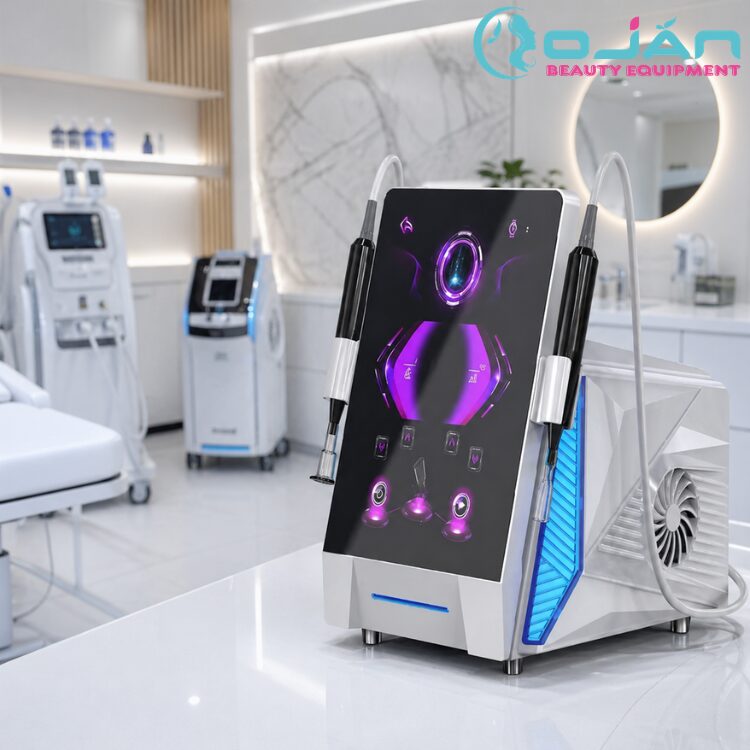
Plasma Pen: The Ultimate Guide To Advanced Skin Tightening By OJAN BEAUTY
Introduction To Plasma Pen Technology
What is a Plasma Pen?
A Plasma Pen is a non-invasive cosmetic device that uses ionized gas known as plasma to tighten, lift, and rejuvenate the skin without surgical incisions. The device generates a small electrical arc that converts nitrogen and oxygen in the air into plasma energy, which is then delivered to the skin surface in highly controlled micro-pulses. The result is a controlled trauma to the epidermis that stimulates the body’s natural collagen production and fibroblast activity, leading to long-lasting skin tightening effects.
Unlike traditional surgical procedures, Plasma Pen treatments are performed on the surface of the skin without direct contact, making them a preferred choice for clients seeking effective results with minimal downtime. The procedure is widely used in professional beauty clinics, medispas, and dermatology offices worldwide.
How Plasma Energy Works on Skin
When the Plasma Pen tip is held close to the skin, it creates a tiny electrical discharge that instantly vaporizes the upper layers of the skin. This process, known as sublimation, tightens the surrounding skin by creating a micro-trauma that triggers the body’s healing response. Collagen fibers contract and new collagen production begins, resulting in firmer, smoother, and more youthful-looking skin over the following weeks.
The plasma energy works at three simultaneous levels: it tightens the superficial skin layer, stimulates fibroblast activity in the dermis, and contracts loose or sagging tissue. The effects are visible almost immediately and continue to improve for several months as collagen remodeling progresses. This makes the Plasma Pen one of the most comprehensive non-surgical skin treatment tools available today.
Evolution of Non-Surgical Skin Treatments
Traditional vs Modern Skin Tightening Methods
For decades, the only reliable solutions for sagging skin and deep wrinkles were surgical procedures such as facelifts, blepharoplasty (eyelid surgery), and neck lifts. These procedures, while effective, came with significant drawbacks: high cost, lengthy recovery periods, surgical risks, anesthesia complications, and visible scarring. As demand for safer, more accessible alternatives grew, the beauty and medical aesthetics industry began investing heavily in non-surgical technologies.
Modern non-surgical options now include laser resurfacing, radiofrequency treatments, ultrasound therapy (HIFU), microneedling, and plasma fibroblast therapy. Among these, the Plasma Pen stands out for its unique ability to achieve results that closely rival surgery particularly for delicate areas like the eyelids without any cutting, stitching, or anesthesia. It bridges the gap between a medical procedure and a beauty treatment, making it accessible to a wider range of professionals and clients.
Why Plasma Pen is Gaining Popularity
The rapid rise in Plasma Pen popularity is driven by several converging factors. Clients are increasingly seeking treatments that deliver visible, lasting results without the risks and recovery time of surgery. At the same time, beauty professionals are looking for high-margin services that differentiate their clinics in a competitive market. The Plasma Pen addresses both needs effectively.
Social media has also played a major role in driving awareness. Before-and-after images of eyelid lifting, neck tightening, and wrinkle reduction treatments have gained significant traction on platforms like Instagram and TikTok, attracting a new generation of clients who are curious about the procedure. As public knowledge grows and results speak for themselves, the Plasma Pen is steadily becoming a staple service in professional beauty clinics worldwide.
Key Features Of Plasma Pen Devices By OJAN Beauty

Advanced Technology and Precision Control
OJAN Beauty’s Plasma Pen devices are engineered for precision. The device features adjustable intensity settings that allow practitioners to tailor the energy output for different skin types, treatment areas, and desired outcomes. High-resolution plasma arc control ensures that each micro-pulse is delivered consistently, minimizing the risk of uneven treatment results or accidental skin damage.
The pens are equipped with multiple needle tip options of varying sizes, allowing practitioners to work on both large surface areas and highly sensitive zones like the upper eyelid with equal accuracy. Digital display panels on premium models provide real-time feedback on settings, making it easy to replicate treatment protocols across sessions and clients.
Safety Standards and Certifications
OJAN Beauty takes product safety seriously. Their Plasma Pen devices are manufactured in compliance with CE certification standards, which are required for medical and aesthetic devices sold in the European market. The devices also meet ISO 13485 quality management standards for medical device manufacturing, ensuring consistent production quality and risk management throughout the process.
All electrical components are tested for safety under international standards, and the devices include built-in safeguards against electrical surges and overheating. OJAN Beauty also provides detailed safety documentation, user manuals, and contraindication guidelines with every device to ensure that practitioners use the tools responsibly and effectively.
User-Friendly Design for Professionals
One of the standout qualities of OJAN Beauty’s Plasma Pen devices is their ergonomic, professional-grade design. The pen-style form factor allows for a natural grip during treatment, reducing hand fatigue during longer sessions. Lightweight construction and balanced weight distribution make the device easy to control even when working on sensitive areas that require steady hands.
The devices are also designed for easy maintenance, with replaceable needle tips and simple cleaning procedures. Training materials, including video tutorials and printed guides, are provided with every purchase to help new users get up to speed quickly and safely.
Benefits of Using Plasma Pen For Skin Rejuvenation

Wrinkle Reduction and Fine Line Removal
One of the most sought-after benefits of Plasma Pen treatment is its effectiveness in reducing wrinkles and fine lines. The plasma energy delivered to the skin triggers collagen contraction and remodeling, which plumps up the skin from within and smooths out surface lines. Treatment areas commonly targeted include forehead lines, crow’s feet, perioral lines (around the mouth), and the delicate under-eye area.
Unlike injectable treatments that temporarily relax muscles (such as Botox), the Plasma Pen works by genuinely improving the structural quality of the skin. This means results not only look more natural but also tend to last longer — typically between one and three years, depending on the client’s skin condition, age, and lifestyle factors.
Skin Tightening and Lifting Effects
The skin tightening and lifting effects of the Plasma Pen are particularly valued in areas where skin laxity is a concern. The upper and lower eyelids, jawline, neck, and jowls respond especially well to plasma fibroblast therapy. The treatment causes immediate visible tightening in the treated area, with progressive improvement continuing for up to three months post-treatment as the collagen remodeling process completes.
For clients who are not ready for or cannot afford surgical procedures, the Plasma Pen offers a compelling alternative that achieves similar visual results. Many clients who undergo eyelid treatments with the Plasma Pen report a more open, youthful eye appearance that previously would have required surgical blepharoplasty.
Scar and Pigmentation Treatment
Beyond anti-aging applications, the Plasma Pen is also highly effective in treating acne scars, stretch marks, and various forms of skin pigmentation. The controlled skin trauma it creates promotes new skin cell turnover, which helps replace damaged or discolored tissue with fresh, healthier skin. Hyperpigmentation caused by sun damage, melasma, and post-inflammatory marks can be significantly improved with a series of Plasma Pen treatments.
For acne scars, the plasma energy works to break down scar tissue and stimulate the formation of new collagen, gradually smoothing out rolling and boxcar scars over multiple sessions. Results are often comparable to fractional laser treatments at a fraction of the cost.
Plasma Pen Applications In Beauty Clinics

Eyelid Lifting (Non-Surgical Blepharoplasty)
Non-surgical blepharoplasty using the Plasma Pen is one of the most popular and high-value treatments available in professional clinics today. Drooping upper eyelids, puffy lower lids, and excess skin around the eye area can be effectively addressed without any incisions. The Plasma Pen creates a series of micro-dots in a controlled grid pattern on the eyelid skin, causing immediate tightening and contraction.
The treatment typically takes 30 to 60 minutes per eye area, with visible tightening apparent immediately after the session. The tiny carbon crusts formed during treatment fall off within 5 to 10 days, revealing tighter, more lifted skin underneath. Results are long-lasting and clients often report high satisfaction levels with this treatment.
Neck and Jawline Contouring
The neck and jawline are areas where skin laxity can significantly age a person’s appearance. The Plasma Pen is highly effective in tightening loose neck skin, reducing the appearance of a double chin, and defining the jawline. These treatments are particularly popular among clients in their 40s and 50s who are beginning to notice the first signs of gravitational skin sagging.
Practitioners using OJAN Beauty devices can perform these treatments with confidence, as the adjustable intensity controls allow precise energy delivery suitable for the thinner, more delicate neck skin. Multiple passes over the treatment area can achieve progressively tighter results, and combination treatments with other modalities like radiofrequency or microneedling can enhance outcomes further.
Stretch Marks and Acne Scar Treatment
Stretch marks and acne scars are common skin concerns that are notoriously difficult to treat with conventional methods. The Plasma Pen offers a powerful solution by directly targeting the damaged tissue with plasma energy, stimulating collagen production and promoting healthy skin regeneration. For stretch marks, the treatment helps break down the fibrous scar tissue and encourages the growth of new, more flexible skin fibers.
For acne scarring, especially atrophic scars that appear as pits or depressions in the skin, the Plasma Pen can be used in combination with other resurfacing techniques to achieve significant improvement. Clients typically require between three and six sessions spaced four to six weeks apart for optimal results.
How Plasma Pen Treatment Works Step-by-Step
Pre-Treatment Preparation
Proper preparation is essential for the safety and success of a Plasma Pen treatment. Before the procedure, the practitioner should conduct a thorough skin assessment to identify any contraindications, including active skin infections, recent sunburn, keloid scarring history, or use of blood-thinning medications. A patch test may be recommended for clients with sensitive skin or unknown reactions to topical anesthetics.
On the day of treatment, the skin should be thoroughly cleansed and free of any makeup, serums, or oils. A topical numbing cream (typically containing lidocaine) is applied to the treatment area 20 to 45 minutes before the procedure to minimize discomfort. The area is then wiped clean before the plasma treatment begins.
Procedure Process
The practitioner uses the Plasma Pen to create a series of tiny micro-dots across the treatment area in a controlled, systematic pattern. The pen is held close to the skin — but never in direct contact — and each micro-pulse vaporizes a tiny point of skin tissue, creating a small carbon crust. The spacing and density of these dots is adjusted based on the treatment goal and the sensitivity of the area being treated.
During the procedure, the client may feel a mild tingling or heat sensation despite the numbing cream. The treatment typically takes between 30 minutes and 90 minutes depending on the area size and treatment plan. Practitioners using OJAN Beauty devices benefit from the precise intensity controls that allow them to customize the depth and energy of each pulse for optimal, safe outcomes.
Post-Treatment Care
Post-treatment care is critical for healing and achieving the best possible results. Immediately after the procedure, the skin will appear red and slightly swollen, with small carbon dots visible on the surface. Clients should avoid touching or picking at these dots, as premature removal can lead to scarring or pigmentation changes.
For the first 5 to 10 days, clients should keep the treated area clean and dry, avoid direct sun exposure, and refrain from applying makeup or active skincare ingredients like retinol or acids. A gentle, fragrance-free moisturizer and a high-SPF sunscreen are recommended as the skin heals. Swelling typically subsides within 48 to 72 hours, and the carbon crusts shed naturally within the first week, revealing fresh, tighter skin beneath.
Safety, Risks, and Considerations
Who Can Use Plasma Pen Treatments
Plasma Pen treatments are suitable for most adults who are in good general health and have realistic expectations about the results. Ideal candidates are typically individuals with mild to moderate skin laxity, fine lines, or superficial scarring who wish to improve their appearance without undergoing surgery. The treatment is most effective on clients with lighter skin tones (Fitzpatrick skin types I to III), though with careful technique and lower energy settings it can also be performed on medium skin tones.
Possible Side Effects
Like all aesthetic treatments, Plasma Pen therapy comes with potential side effects that practitioners and clients should be aware of. The most common and expected effects include temporary redness, swelling, and the formation of small carbon crusts at the treatment sites. These are all normal parts of the healing process and typically resolve within one to two weeks.
More serious but less common side effects can include post-inflammatory hyperpigmentation (particularly in darker skin tones), infection if aftercare instructions are not followed, or, in rare cases, scarring if the skin is over-treated or not allowed to heal properly between sessions. Selecting a qualified, trained practitioner and following all pre and post-care guidelines significantly reduces the risk of adverse outcomes.
Safety Guidelines by OJAN Beauty
OJAN Beauty provides comprehensive safety guidelines with every device they manufacture. These include detailed contraindication lists, recommended energy settings for different skin types and treatment areas, and clear instructions on maintaining safe distances between the pen and the skin surface. Practitioners are advised to complete certified training before performing treatments and to always perform a patch test when working with a new client.
Why Choose OJAN Beauty Plasma Pen Machines
Innovation and R&D Excellence
OJAN Beauty invests significantly in research and development to stay at the forefront of aesthetic technology. Their engineering team continuously evaluates new plasma generation techniques, energy delivery systems, and safety mechanisms to ensure that their products represent the best available technology on the market. The company regularly updates its product lineup to incorporate the latest advances in fibroblast therapy and skin science.
Quality Assurance and Testing
Every OJAN Beauty Plasma Pen undergoes a multi-stage quality assurance process before it is shipped. This includes electrical safety testing, plasma arc consistency checks, durability stress testing, and calibration verification. The company’s commitment to quality means that practitioners can rely on consistent, predictable performance from their devices, session after session. Warranty coverage and replacement part availability further protect the practitioner’s investment.
Customer Support and Training
OJAN Beauty understands that the effectiveness of a Plasma Pen device depends not only on the device itself but also on the skill of the practitioner using it. This is why the company offers comprehensive training resources, including online video courses, printed treatment guides, and access to a technical support team. New purchasers receive onboarding assistance, and ongoing support is available for troubleshooting and clinical questions.
Comparing Plasma Pen With Other Beauty Devices
Plasma Pen Vs Laser Treatments
Both Plasma Pen and laser treatments can achieve impressive skin rejuvenation results, but they work through different mechanisms and have distinct advantages and limitations. Laser treatments use concentrated light energy to target specific chromophores in the skin, making them highly effective for pigmentation issues and certain types of resurfacing. However, lasers require expensive equipment, dedicated space, and in many regions, medical licensing to operate.
The Plasma Pen, by contrast, is more accessible and affordable both in terms of equipment cost and operating requirements. It is particularly superior to lasers for skin tightening and eyelid lifting, as it can achieve more dramatic lifting effects through the sublimation mechanism. For clinics looking to offer a high-performing, lower-cost alternative to laser treatments, the Plasma Pen is an excellent option.
Plasma Pen vs Microneedling
Microneedling uses fine needles to create controlled micro-injuries in the skin, stimulating collagen production. While it is highly effective for skin texture improvement and mild scarring, it does not achieve the same degree of skin tightening and lifting as the Plasma Pen. Microneedling works primarily in the dermis, while the Plasma Pen also affects the epidermal layer and creates a tightening effect through tissue sublimation.
For clients seeking visible lifting and contouring results — particularly around the eyes and jawline — the Plasma Pen offers more dramatic outcomes than microneedling alone. Many clinics offer both treatments as complementary services, using microneedling for overall skin quality and the Plasma Pen for specific lifting and tightening concerns.
Cost-Effectiveness Analysis
From a business perspective, the Plasma Pen offers one of the most favorable cost-to-return ratios of any aesthetic device. OJAN Beauty Plasma Pen devices are available at a fraction of the cost of laser equipment or surgical tools, yet they command premium treatment prices in the marketplace. A single Plasma Pen eyelid treatment can generate several hundred dollars in revenue, meaning that a clinic can recover the device investment within a matter of weeks.
Business Benefits for Clinics Using Plasma Pen
High ROI for Beauty Professionals
The return on investment for clinics that offer Plasma Pen services is exceptionally strong. Because the device cost is relatively low, the overhead per treatment is minimal — primarily comprising the cost of replacement needle tips and consumable products. Treatment pricing in professional clinics typically ranges from $200 to $800 per session depending on the area and location, making the Plasma Pen one of the highest-margin treatments a clinic can offer.
Growing Market Demand
Consumer demand for non-surgical aesthetic treatments continues to grow year-on-year as awareness increases and social media drives treatment discovery. The global non-surgical aesthetic market is projected to continue its strong growth trajectory through the coming decade, and plasma fibroblast therapy is positioned as a key driver of this expansion. Clinics that add the Plasma Pen to their service menu early are well-positioned to capture a loyal client base in this growing segment.
Expanding Service Offerings
Adding the Plasma Pen to a clinic’s treatment menu opens up a wide range of new service opportunities. Clinics that previously offered only facials or basic skin treatments can now provide high-value procedures like non-surgical eyelid lifting, scar revision, and advanced skin tightening. This expansion not only increases revenue per client but also attracts new client demographics who are specifically seeking these more advanced treatments.
Maintenance and Longevity of Plasma Pen Devices
Proper Handling and Storage
To maximize the lifespan of a Plasma Pen device, proper handling and storage practices are essential. The device should always be stored in its protective case when not in use, away from direct sunlight, extreme temperatures, and humidity. The power cable should be coiled carefully and not subjected to sharp bends or tension, which can damage the internal wiring over time.
Cleaning and Sterilization
After each use, the needle tip should be removed and disposed of or sterilized according to the manufacturer’s guidelines. The body of the device should be wiped down with a soft, slightly damp cloth to remove any residue, taking care not to allow moisture to enter the device’s electrical components. OJAN Beauty provides detailed cleaning protocols with their devices to help practitioners maintain hygiene standards that comply with professional and regulatory requirements.
Device Lifespan Tips
With proper care and regular maintenance, a high-quality Plasma Pen device from OJAN Beauty can provide years of reliable service. Practitioners should follow the recommended usage guidelines in terms of treatment duration and frequency to avoid overloading the device’s electrical components. Regular calibration checks and timely replacement of worn tips ensure consistent treatment outcomes and prolong the device’s operational life.
Future Trends in Plasma Pen Technology
Integration with AI and Smart Systems
The next generation of Plasma Pen technology is expected to incorporate artificial intelligence and smart sensor systems that can automatically adjust energy output based on real-time skin analysis. These systems would measure skin thickness, hydration levels, and elasticity before and during treatment, dynamically calibrating the plasma arc to deliver optimal energy for each individual client. OJAN Beauty is actively exploring these innovations as part of its ongoing R&D roadmap.
Emerging Innovations in Skin Treatment
Beyond AI integration, emerging trends in plasma technology include the development of combination devices that incorporate plasma fibroblast therapy with radiofrequency, photobiomodulation (LED therapy), or growth factor infusion. These combination approaches can deliver more comprehensive results in a single session, reducing the number of treatments a client needs and improving overall satisfaction. The continued miniaturization of plasma generation technology is also expected to make devices even more portable and user-friendly in the coming years.
FAQs About Plasma Pen
Q1. Is Plasma Pen treatment painful?
Most clients describe the sensation during Plasma Pen treatment as a mild tingling or slight heat on the skin. Topical numbing cream is applied before the procedure to minimize discomfort, making the treatment well-tolerated by most people. Sensitive areas like the eyelids may feel slightly more uncomfortable, but the procedure is generally considered manageable without additional pain relief.
Q2. How long do results last?
The results of Plasma Pen treatment typically last between one and three years, depending on the individual’s skin condition, age, sun exposure habits, and overall skincare routine. The collagen remodeling process that the treatment triggers produces lasting structural changes in the skin, which means results are more durable compared to many injectable or topical treatments. Maintenance sessions can be performed to extend and refresh results over time.
Q3. Is Plasma Pen safe for all skin types?
Plasma Pen treatment is safest and most effective on lighter skin tones (Fitzpatrick types I to III). Clients with darker skin tones (types IV to VI) face a higher risk of post-inflammatory hyperpigmentation and should consult with a trained professional before proceeding. A patch test is strongly recommended for any client who has not previously had the treatment. OJAN Beauty’s adjustable energy settings allow experienced practitioners to adapt the treatment safely for a wider range of skin types.
Q4. How many sessions are required?
The number of sessions required depends on the treatment area and the severity of the concern being addressed. For mild to moderate skin laxity or fine lines, a single session often produces satisfying results. For more pronounced sagging, deeper wrinkles, or scar treatment, a series of two to four sessions spaced six to eight weeks apart is typically recommended to achieve optimal outcomes.
Q5. What is the recovery time?
Recovery after a Plasma Pen treatment typically takes between 7 and 14 days for the skin to fully heal. During the first few days, the treated area may appear red and swollen, with small carbon crusts visible at the treatment sites. These crusts shed naturally within 5 to 10 days. Most clients can return to normal activities within a day or two of treatment, though they should avoid sun exposure, strenuous exercise, and certain skincare products during the healing period.
Final Verdict
The Plasma Pen has firmly established itself as one of the most effective and versatile non-surgical aesthetic devices available to beauty professionals today. Its ability to deliver visible, lasting results across a wide range of skin concerns, from wrinkle reduction and eyelid lifting to scar treatment and skin contouring, makes it an invaluable addition to any professional clinic’s service menu.
OJAN Beauty, with its more than 15 years of industry experience, deep manufacturing expertise, and unwavering commitment to quality and innovation, has positioned itself as a leading provider of Plasma Pen technology on the global stage. Their devices combine advanced plasma generation technology with professional-grade safety standards and user-friendly design, making them the device of choice for experienced practitioners and new entrants to the field alike.
For further reading on plasma fibroblast therapy and non-surgical aesthetics, the American Academy of Dermatology provides extensive, evidence-based guidance at https://www.aad.org.