

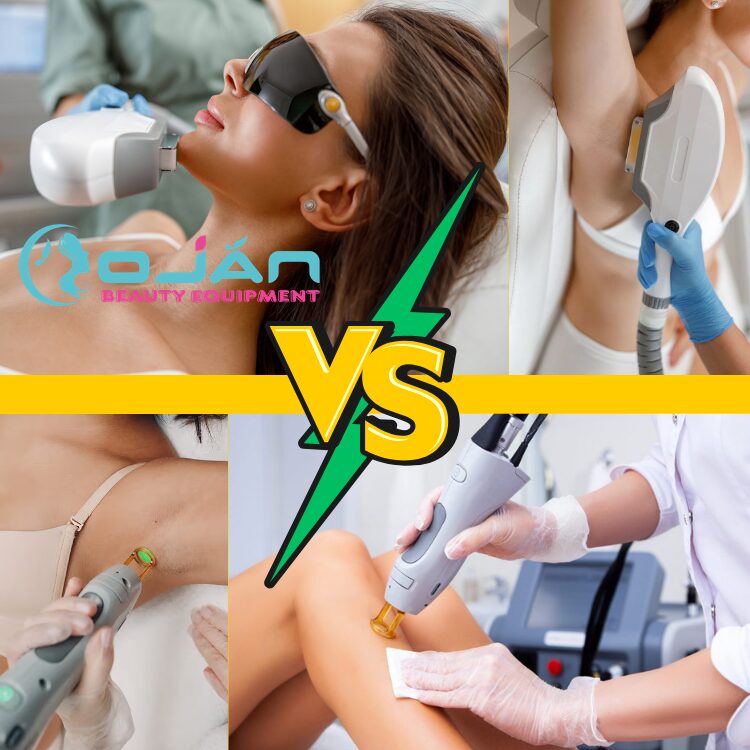
IPL Vs Laser Hair Removal: The Ultimate 2026 Expert Comparison Guide
When it comes to long-term hair reduction, IPL vs Laser Hair Removal is one of the most searched comparisons online. Many people feel confused about which option works better, lasts longer, or is safer for their skin type. Both technologies use light energy to target hair follicles, but they function differently and deliver different results.
In this complete expert guide, you’ll learn how each treatment works, who it suits best, how much it costs, and which delivers stronger long-term results.
Why Hair Removal Technology Has Evolved

Hair removal methods have changed dramatically over the past few decades. Traditional techniques like shaving, waxing, and threading only offer temporary results. They also require constant maintenance and may cause irritation, ingrown hairs, or razor burns.
Modern light-based technologies were developed to provide longer-lasting solutions. Instead of cutting hair at the surface, these treatments target the hair follicle itself. By weakening or disabling the follicle, hair grows back thinner, slower, or sometimes not at all. This innovation has transformed the beauty and dermatology industry.
Today’s devices are safer, more precise, and suitable for a wider range of skin tones than older machines. That evolution is why IPL and laser hair removal have become mainstream options worldwide.
Growing Popularity of Long-Term Hair Reduction
Long-term hair reduction is no longer considered a luxury service. It has become a practical solution for busy individuals who want to save time and reduce grooming stress. According to the American Society for Dermatologic Surgery, laser-based procedures are among the most requested non-invasive treatments in the United States.
People are choosing these treatments because they reduce ongoing maintenance costs. Instead of buying razors or booking waxing appointments every month, many prefer a treatment plan that offers smoother skin for years.
The convenience, improved safety standards, and increasing affordability have contributed to their popularity. As more clinics adopt advanced systems, access continues to expand globally.
What Is IPL (Intense Pulsed Light)?
IPL stands for Intense Pulsed Light. Unlike laser hair removal, IPL uses broad-spectrum light rather than a single focused wavelength. This means it emits multiple light wavelengths that scatter into the skin to target pigment.
IPL is commonly used not only for hair reduction but also for skin rejuvenation, pigmentation correction, and acne treatment. Because it covers a larger area per flash, treatments can be relatively quick.
However, its broader light range makes it less targeted than laser technology. While effective for many individuals, results may require more sessions compared to professional laser treatments.
How IPL Technology Works

IPL works by emitting pulses of light that are absorbed by melanin, the pigment found in hair. Once absorbed, the light converts to heat. This heat damages the hair follicle, slowing down future growth.
Since IPL uses multiple wavelengths, it spreads out under the skin. That diffusion makes it less concentrated than laser beams. As a result, it may require more sessions for comparable reduction.
Consistency is key. Most users need 6–10 sessions spaced several weeks apart. Hair grows in cycles, and IPL only works effectively on active growth-phase hairs.
Broad-Spectrum Light Explained
Broad-spectrum light means the device emits various wavelengths simultaneously. These wavelengths target pigment but are not as precise as laser light.
Because of this, IPL can affect surrounding skin tissue slightly more than laser systems. Modern devices include cooling features to minimize discomfort and reduce risk. While effective for many lighter skin tones, darker skin types require professional evaluation before treatment.
Targeting Melanin in Hair Follicles
Melanin absorbs light energy. When IPL flashes onto the skin, darker hairs absorb more light than lighter skin. The heat damages the follicle’s growth center.
This is why IPL works best on individuals with light skin and dark hair. The contrast allows energy to focus primarily on the hair. Blonde, gray, or red hair may not respond as well because it contains less pigment.
Common Areas Treated with IPL
IPL is frequently used on legs, arms, underarms, bikini lines, and sometimes the face. Because the device covers larger areas quickly, it is efficient for body treatments.
Facial treatments must be done carefully, especially near sensitive regions like the eyes. Professional settings typically provide better control and safety compared to at-home devices.
Who Is an Ideal Candidate for IPL?
The ideal IPL candidate has fair to medium skin tone with dark hair. This contrast allows effective absorption of light energy.
Individuals with very dark skin, tanned skin, or very light hair should consult a licensed practitioner first. A patch test helps determine safety and expected results.
What Is Laser Hair Removal?

Laser hair removal uses concentrated light beams of a single wavelength. Unlike IPL, lasers are precise and target hair follicles directly without scattering.
The focused energy allows deeper penetration and stronger follicle damage. This often results in faster, longer-lasting reduction compared to IPL.
Laser hair removal is considered a medical cosmetic procedure and should be performed by trained professionals. For detailed safety standards, refer to the U.S. Food and Drug Administration guidelines:
https://www.fda.gov/medical-devices
How Laser Technology Targets Hair Follicles
Laser systems emit a single wavelength designed to target melanin specifically. This wavelength travels deeper into the follicle root, where growth cells reside.
Because it is concentrated, it minimizes damage to surrounding tissue. Treatments are efficient and typically require 6–8 sessions.
Single-Wavelength Precision
Single-wavelength light means the beam is focused and uniform. This allows better control and stronger heat concentration.
Precision reduces the likelihood of affecting nearby skin, which enhances both safety and effectiveness.
Types of Laser Systems Used in Clinics
Common laser types include diode lasers, Alexandrite lasers, and Nd: YAG lasers. Each is designed for specific skin tones and hair types.
Nd: YAG lasers, for example, are often used for darker skin tones because they penetrate deeper and reduce surface pigmentation risks.
Clinics often invest in advanced multi-functional systems that combine IPL and laser technology; you can explore professional-grade options in our Elight IPL Laser Machine collection for high-performance salon and clinic use.
FDA-Approved Laser Technologies
FDA clearance ensures devices meet safety and performance standards. Approved systems undergo clinical testing to verify effectiveness and minimize risk.
Patients should always confirm that clinics use certified equipment and licensed professionals.
Ideal Skin and Hair Types for Laser Treatment
Laser treatment works best on individuals with darker hair. However, modern technology has improved safety for various skin tones.
Consultation ensures customized settings based on skin type, hair thickness, and medical history.
Key Differences Between IPL and Laser Hair Removal
Understanding IPL vs Laser Hair Removal means comparing precision, effectiveness, comfort, safety, and long-term value. While both aim to reduce unwanted hair, their technology and results differ significantly.
Technology Comparison: Broad Light vs. Concentrated Beam
IPL (Intense Pulsed Light) uses scattered, multi-wavelength light that spreads across a larger skin area. In contrast, laser hair removal uses a single, concentrated wavelength that directly targets the hair follicle.
Because of this focused beam, laser systems typically deliver more precise energy and cause stronger follicle damage per session, making treatments more targeted and efficient.
Effectiveness and Speed of Results
Laser hair removal often produces noticeable hair reduction in fewer sessions compared to IPL. Its focused energy penetrates deeper into the follicle, leading to longer-lasting results.
IPL usually requires more sessions since the light is less concentrated. However, both treatments require multiple sessions due to natural hair growth cycles.
Pain Levels and Comfort
Many people describe laser treatment as feeling like a quick rubber band snap against the skin. IPL is often considered slightly milder in sensation but may involve more frequent sessions.
Modern cooling systems and advanced technology in both treatments help significantly reduce discomfort and protect the surrounding skin.
Safety and Side Effects
Temporary redness, mild swelling, or slight irritation are common side effects for both treatments and typically subside quickly. Laser precision often reduces exposure to surrounding skin, lowering the risk of unwanted effects.
A professional consultation and proper skin assessment greatly minimize potential complications.
Cost Comparison Over Time
IPL treatments, especially at-home devices, are usually cheaper upfront. However, the need for more sessions can increase long-term costs.
Laser hair removal typically costs more per session but may offer better long-term value due to fewer treatments and longer-lasting results.
Effectiveness: Which Delivers Better Long-Term Results?
Laser hair removal generally provides stronger long-term reduction. IPL can reduce hair growth but may require maintenance sessions more frequently.
Hair Reduction Timeline
Laser results may appear faster. IPL often requires consistent use for several months.
Patience and proper scheduling are crucial for success.
Maintenance Sessions Required
Both treatments require maintenance once or twice per year.
Hormonal changes may influence regrowth.
Permanent vs Long-Term Reduction
Neither guarantees 100% permanent removal. However, significant reduction lasting years is common.
Laser often provides longer intervals between touch-ups.
Safety Considerations and Risks
Safety depends on skin type, device quality, and practitioner experience.
Potential Side Effects of IPL
Possible side effects include redness, blistering, or hyperpigmentation in darker skin types.
Patch testing reduces risk.
Potential Side Effects of Laser
Laser may cause temporary swelling or rare pigmentation changes.
Choosing experienced professionals lowers risk significantly.
Importance of Professional Consultation
Medical consultation ensures safe parameter selection.
Individuals with certain medical conditions should seek dermatologist advice.
Skin Tone and Hair Color Compatibility
Technology selection depends heavily on pigmentation.
Best Options for Darker Skin Tones
Nd:YAG lasers are generally safer for darker skin.
Professional clinics adjust energy settings carefully.
Treating Light or Fine Hair
Light blonde or gray hair is difficult to treat with both technologies.
Alternative treatments may be necessary.
At-Home Devices Vs Professional Treatments
When comparing home-use devices to clinic treatments, the difference in results and safety is significant. While both aim to reduce hair growth, professional procedures clearly deliver stronger, faster, and more reliable outcomes.
Pros and Cons of At-Home IPL Devices
At-home IPL devices are convenient and cost less upfront. You can use them on your own schedule without booking appointments. However, they operate at much lower energy levels for safety reasons. That reduced power means slower progress and less dramatic results.
Most users need ongoing sessions for months, and maintenance is usually required. These devices can help reduce hair growth, but they rarely match the long-term effectiveness of professional systems.
Benefits of Clinic-Based Laser Procedures
Clinic-based laser treatments use medical-grade equipment with higher energy output and precise targeting. This leads to stronger follicle damage and faster visible reduction.
In addition, trained professionals adjust the settings based on your skin type and hair thickness. That customization improves safety and results. If you want efficient, long-lasting hair reduction, professional laser treatment is the clear advantage.
Cost Breakdown and Value Analysis
Cost varies by treatment area and geographic location.
Upfront Costs
Laser sessions may cost more initially. IPL devices may have lower purchase prices.
Long-Term Investment Perspective
Laser may reduce long-term expenses due to fewer sessions.
IPL may require more frequent maintenance.
Treatment Experience: What to Expect
Preparation and aftercare influence outcomes.
Preparation Before Sessions
Avoid sun exposure and waxing before treatment.
Shave the area 24 hours prior.
During the Procedure
You may feel mild snapping sensations.
Sessions typically last 15–60 minutes.
Post-Treatment Care
Use sunscreen and avoid heat exposure.
Follow professional advice strictly.
Pros and Cons Summary Table
| Feature | IPL | Laser |
| Precision | Moderate | High |
| Sessions Needed | More | Fewer |
| Cost | Lower upfront | Higher upfront |
| Skin Compatibility | Limited | Broader with advanced systems |
| Long-Term Results | Moderate | Strong |
Expert Recommendations: Choosing the Right Option
Selecting between IPL Vs Laser Hair Removal depends on budget, skin tone, and desired results.
If you’re a clinic owner or beauty professional seeking reliable equipment, consider investing in certified Elight IPL Laser Machines built for safe and effective long-term treatments.

Based on Budget
If cost is your primary concern, IPL devices may seem attractive. However, long-term value often favors laser treatment due to reduced maintenance sessions.
Based on Skin Type
Darker skin tones typically benefit from professional laser systems like Nd:YAG lasers.
Fair skin with dark hair can respond well to both options.
Based on Desired Results Timeline
If you want faster results, laser is typically more efficient.
If gradual reduction works for you, IPL may suffice.
FAQs
Is IPL as effective as laser hair removal?
Laser generally provides stronger and longer-lasting results. IPL can be effective but may require more sessions.
Which option is more painful?
Both cause mild discomfort. Laser may feel stronger but finishes quicker.
Can darker skin tones use IPL safely?
Caution is necessary. Professional evaluation is recommended before treatment.
How many sessions are typically required?
Most individuals need 6–8 laser sessions or 8–10 IPL sessions.
Is hair removal permanent?
Results are long-term but not always completely permanent.
Are there long-term risks?
When performed correctly, long-term risks are minimal. Professional treatment significantly reduces complications.
Wrapping It Up
Let’s keep it simple. In the comparison of IPL Vs Laser Hair Removal, laser treatment is the stronger and more effective option for most people. It offers better precision, faster results, and longer-lasting hair reduction. Fewer sessions are usually needed, and maintenance is less frequent over time.
IPL can still work, especially for lighter skin tones and those looking for a lower upfront cost. But it typically requires more sessions and ongoing touch-ups.
If you want stronger, more reliable long-term results, laser hair removal is the better investment. Always choose a licensed professional to ensure safe treatment and the best outcome for your skin type.