

Laser Lipo Vs CoolSculpting: 12 Powerful Differences You Must Know Before Choosing
When it comes to non-surgical fat reduction, the debate around laser lipo vs coolsculpting is stronger than ever. Both treatments promise slimmer contours without traditional liposuction, but they work in very different ways. If you’re considering body contouring, understanding the science, safety, cost, and results of each option is essential.
This guide breaks down everything you need to know about laser lipo vs coolsculpting, using expert-backed information, clinical insights, and clear comparisons. Let’s dive in.
Introduction To laser lipo Vs Coolsculpting
The growing demand for non-invasive fat reduction has made treatments like laser lipolysis and CoolSculpting household names. Many people want targeted fat loss without surgery, stitches, or weeks of downtime. That’s where these two technologies come in.
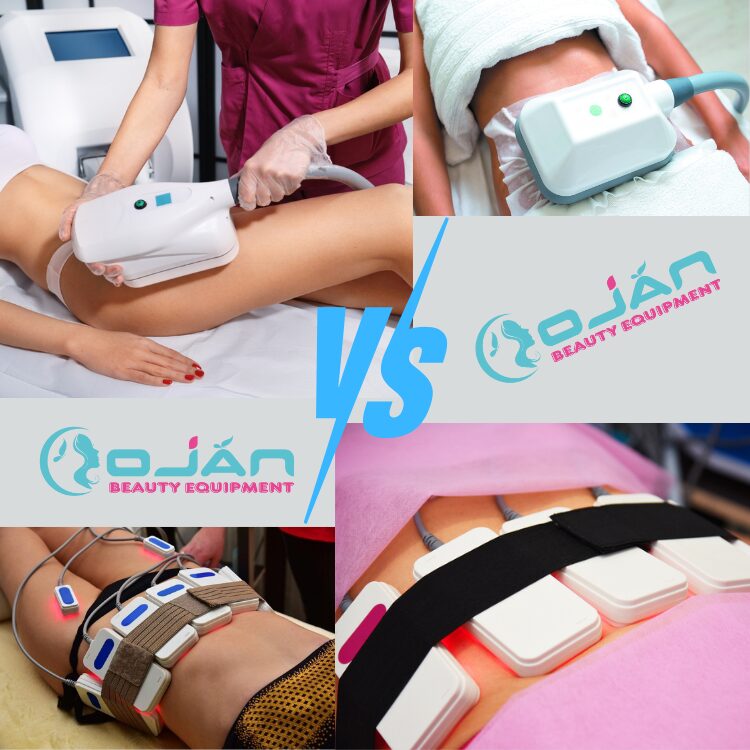
The main difference in laser lipo vs coolsculpting lies in temperature. Laser lipo uses controlled heat to break down fat cells, while CoolSculpting uses controlled cooling to freeze and destroy them. Both methods aim to permanently remove fat cells from treated areas.
However, choosing the right option depends on your body type, goals, budget, and tolerance for recovery time. A professional consultation with a board-certified dermatologist or plastic surgeon is always recommended before making a final decision.
What Is Laser Lipolysis?

Laser lipolysis, often called laser lipo, is a minimally invasive body contouring treatment. It uses laser energy to target and liquefy fat cells beneath the skin. The body then naturally eliminates these damaged fat cells over time.
Unlike traditional liposuction, laser lipolysis typically involves smaller incisions and less recovery. It may also stimulate collagen production, leading to mild skin tightening benefits. Many patients choose this treatment for areas like the abdomen, thighs, and arms.
Laser lipolysis is performed in a clinical setting by trained professionals. Results appear gradually and improve over several weeks as the body processes the treated fat.
How Laser Lipo Works (Laser Energy & Fat Cell Disruption)
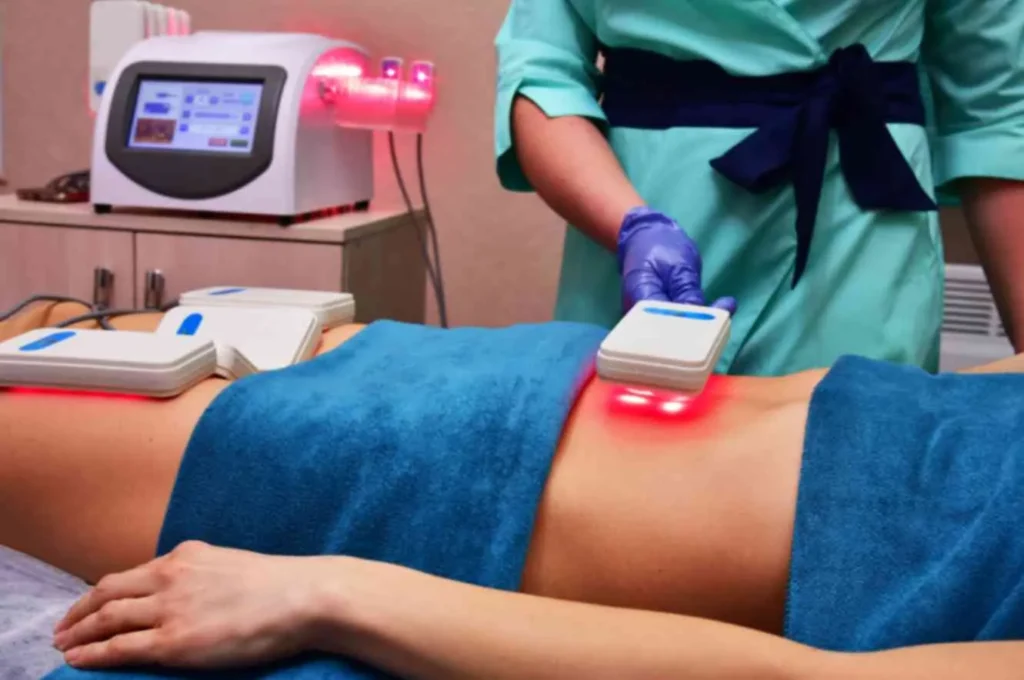
Laser lipo uses focused laser heat delivered through a small fiber inserted beneath the skin. This heat disrupts fat cell membranes, causing them to break down. Once liquefied, the fat is either suctioned out or metabolized by the body.
The controlled thermal energy also stimulates collagen remodeling. This may result in firmer-looking skin compared to some other fat reduction procedures. That’s why many providers promote it as both a fat-reduction and skin-tightening solution.
The process usually takes one to two hours depending on the treatment area. Mild swelling and bruising are common but temporary.
Types of Laser Lipo Procedures
There are different variations of laser lipolysis. Some procedures involve small incisions and suction, while others are completely non-invasive and use external laser pads placed on the skin.
Minimally invasive laser lipo typically provides more dramatic results in a single session. Non-invasive versions may require multiple treatments to achieve noticeable fat reduction.
Each type has different downtime and cost considerations. A licensed provider will recommend the best approach based on your body composition and aesthetic goals.
Ideal Candidates for Laser Lipolysis
Laser lipolysis works best for individuals who are near their ideal weight but struggle with stubborn fat pockets. It is not designed for significant weight loss.
Good candidates are generally healthy, non-smokers, and have good skin elasticity. People with loose skin may benefit from the collagen-stimulating effects.
Pregnant individuals or those with certain medical conditions should avoid this procedure. Always disclose your full medical history during consultation.

What Is CoolSculpting?
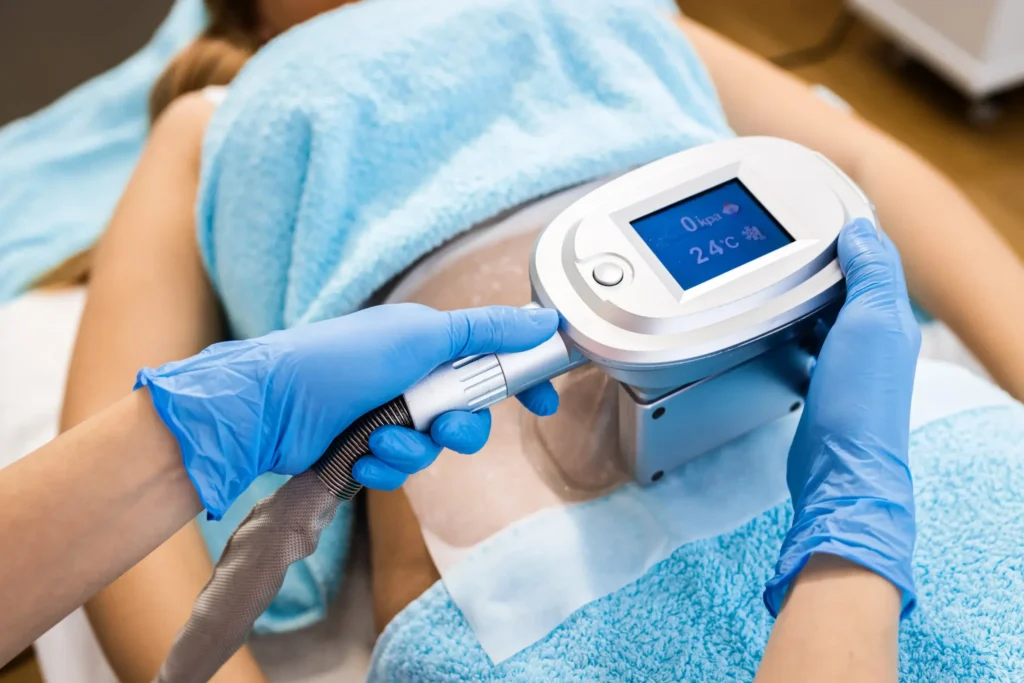
CoolSculpting is a non-invasive fat reduction treatment based on cryolipolysis technology. It freezes fat cells without harming surrounding tissue. The body then gradually eliminates these dead fat cells through natural processes.
The treatment was cleared by the U.S. Food and Drug Administration (FDA). According to the official FDA website (https://www.fda.gov), cryolipolysis devices are approved for specific body areas.
CoolSculpting requires no incisions or anesthesia. It is often described as a “lunchtime procedure” because patients can resume normal activities immediately after treatment.
How Cryolipolysis Technology Freezes Fat Cells

Cryolipolysis works by exposing fat cells to controlled cooling. Fat cells are more sensitive to cold than other cells. When exposed to freezing temperatures, they crystallize and die.
Over the next several weeks, the body naturally processes and removes these dead cells. This gradual process helps create smoother, more natural-looking results.
Patients often feel intense cold during the first few minutes, followed by numbness. Sessions usually last between 35 and 60 minutes per area.
Clinics offering cryolipolysis treatments often use advanced 360-degree cooling platforms to ensure even fat crystallization and improved contouring precision.
FDA Approval and Safety Profile
CoolSculpting has FDA clearance for multiple areas, including the abdomen, flanks, thighs, and chin. Its safety profile is well-documented in clinical studies.
Most side effects are mild and temporary, including redness, swelling, and numbness. Serious complications are rare but possible.
Because the procedure is non-invasive, infection risk is minimal. However, selecting a qualified provider is still crucial.
Ideal Candidates for CoolSculpting
CoolSculpting is best for individuals with pinchable fat in specific areas. It is not a weight-loss treatment.
Ideal candidates are within 20–30 pounds of their target weight. People with cold-related conditions, such as cryoglobulinemia, should avoid this treatment.
A professional consultation ensures safety and realistic expectations.

Key Differences Between laser lipo Vs coolsculpting
When comparing laser lipo vs coolsculpting, the differences go beyond just heat versus cold. These treatments differ in technology, depth of fat targeting, recovery experience, treatment intensity, and overall customization. While both permanently destroy fat cells, the method used to eliminate those cells affects how quickly you see results, how your body responds, and how much downtime you’ll need.
Laser lipo is often considered slightly more aggressive because it can physically remove liquefied fat in some cases. CoolSculpting is more gradual, relying on your body’s natural metabolic processes. Your personal goals quick sculpting vs slow contouring — often determine which option feels right.
Treatment Method: Heat Vs Cold Fat Reduction
Laser lipolysis works by delivering controlled thermal energy directly into fat tissue. This heat damages fat cell membranes and causes them to break apart. In suction-assisted versions, fat is removed immediately. In non-suction versions, the body flushes it out over time.
CoolSculpting uses cryolipolysis to freeze fat cells. Fat cells are uniquely sensitive to cold temperatures. Once frozen, they undergo apoptosis (natural cell death). The body then processes and eliminates them over several weeks.
An added benefit of heat-based laser lipo is mild collagen stimulation, which may improve skin firmness. CoolSculpting focuses strictly on fat reduction and does not significantly tighten skin.
For clinics looking to deliver professional heat-based fat reduction treatments, advanced diode systems such as a 650nm and 980nm diode laser lipo machine offer controlled thermal targeting with enhanced precision and optional EMS body sculpting features.
Invasiveness and Procedure Type
Laser lipo may involve small incisions if minimally invasive. CoolSculpting is entirely non-invasive with no cuts or needles.
Patients seeking zero downtime often prefer CoolSculpting. Those wanting more immediate fat removal may lean toward laser lipo.
Recovery Time and Downtime Comparison
Laser lipolysis may require a few days of recovery. Some patients wear compression garments afterward.
CoolSculpting generally requires no downtime. Most patients return to work the same day.
Pain Levels and Comfort During Treatment
Laser lipo involves local anesthesia and mild discomfort afterward. CoolSculpting causes temporary cold sensations and numbness.
Pain tolerance varies, but both treatments are generally manageable.
Treatment Duration Per Session
Laser lipo sessions may last one to two hours. CoolSculpting sessions average 35–60 minutes per area.
Effectiveness and Fat Reduction Results
Both treatments reduce fat permanently, but results differ slightly in intensity and speed.
Average Fat Reduction Percentage
CoolSculpting studies show approximately 20–25% fat reduction per session in treated areas. Laser lipo can achieve higher reductions in one procedure, especially with suction-assisted techniques.
Timeline for Visible Results
Laser lipo results may appear within weeks. CoolSculpting results develop gradually over two to three months.
Patience is key with either option.
Number of Sessions Required
Laser lipolysis may require one session for moderate fat reduction. CoolSculpting often requires multiple sessions for optimal results.
Safety, Risks, and Side Effects
No cosmetic treatment is risk-free. Understanding potential side effects is essential.
Common Side Effects of Laser Lipo
Swelling, bruising, mild pain, and temporary numbness are common. These symptoms usually resolve within days.
Common Side Effects of CoolSculpting
Redness, swelling, tingling, and temporary sensitivity may occur. These effects typically fade within weeks.
Rare but Serious Complications
A rare complication of CoolSculpting is paradoxical adipose hyperplasia (PAH), where fat thickens instead of shrinking. Laser lipo carries minimal risks of burns or infection when performed improperly.
Choosing an experienced provider greatly reduces risks.
Cost Comparison: laser lipo vs coolsculpting
Cost is often a deciding factor.
Average Cost Per Treatment Area
CoolSculpting typically costs between $600 and $1,500 per area. Laser lipo ranges from $2,500 to $5,000 depending on complexity.
Factors That Influence Pricing
Location, provider expertise, number of sessions, and treatment area size affect pricing.
Long-Term Value and Maintenance Costs
Both treatments provide permanent fat removal. However, weight gain can enlarge remaining fat cells, so lifestyle maintenance matters.
Body Areas Treated
Both treatments target common problem areas.
Best Areas for Laser Lipo
Laser lipo works well on the abdomen, arms, thighs, chin, and flanks. It is effective for slightly larger fat deposits.
Best Areas for CoolSculpting
CoolSculpting is popular for love handles, lower abdomen, back fat, and double chin areas.
Who Should Avoid These Treatments?
Not everyone is a candidate.
Medical Conditions That May Disqualify You
People with bleeding disorders, severe obesity, or cold-sensitivity disorders should avoid treatment.
Consultation and Pre-Treatment Evaluation
A full medical assessment ensures safe outcomes and realistic expectations.
Results Maintenance and Lifestyle Considerations
Results last if you maintain a healthy lifestyle.
Diet and Exercise After Treatment
Balanced nutrition and regular activity prevent remaining fat cells from expanding.
Long-Term Fat Cell Behavior
Destroyed fat cells do not return. However, untreated areas can gain fat.
Expert Opinions and Clinical Evidence
Board-certified dermatologists emphasize proper patient selection.
What Dermatologists Say
Experts agree both treatments are effective for contouring, not weight loss.
Clinical Studies on Laser Lipo
Studies show measurable fat reduction and mild skin tightening effects.
Clinical Studies on CoolSculpting
Research confirms consistent 20–25% fat layer reduction per treatment cycle.
Pros and Cons Summary Table
| Treatment | Pros | Cons |
| Laser Lipo | Faster results, possible skin tightening | Mild downtime, higher cost |
| CoolSculpting | Non-invasive, no downtime | Gradual results, multiple sessions |
Frequently Asked Questions (FAQs)
Which Is More Effective: Laser Lipo or CoolSculpting?
Laser lipo may provide more dramatic results in one session, while CoolSculpting offers gradual fat reduction with no downtime.
Is Laser Lipo More Painful Than CoolSculpting?
Laser lipo involves mild post-procedure soreness. CoolSculpting mainly causes temporary cold discomfort.
How Long Do Results Last?
Results are permanent if you maintain a stable weight and healthy lifestyle.
Which Treatment Is More Affordable?
CoolSculpting often costs less per session, but multiple sessions may increase total cost.
Can You Combine Both Procedures?
Yes, some providers combine treatments for enhanced contouring results.
Are the Results Permanent?
Yes, treated fat cells are permanently destroyed, but new weight gain can affect untreated areas.
Final Verdict
The decision between laser lipo vs coolsculpting depends on your goals, budget, pain tolerance, and timeline. If you want quicker, more aggressive fat reduction and possible skin tightening, laser lipolysis may be ideal. If you prefer a completely non-invasive option with no downtime, CoolSculpting could be the better choice.
Ultimately, consulting a qualified professional ensures safe, personalized results. Both treatments are effective tools for body contouring when used appropriately. By understanding the differences, risks, and benefits, you can confidently choose the solution that aligns with your aesthetic goals.