

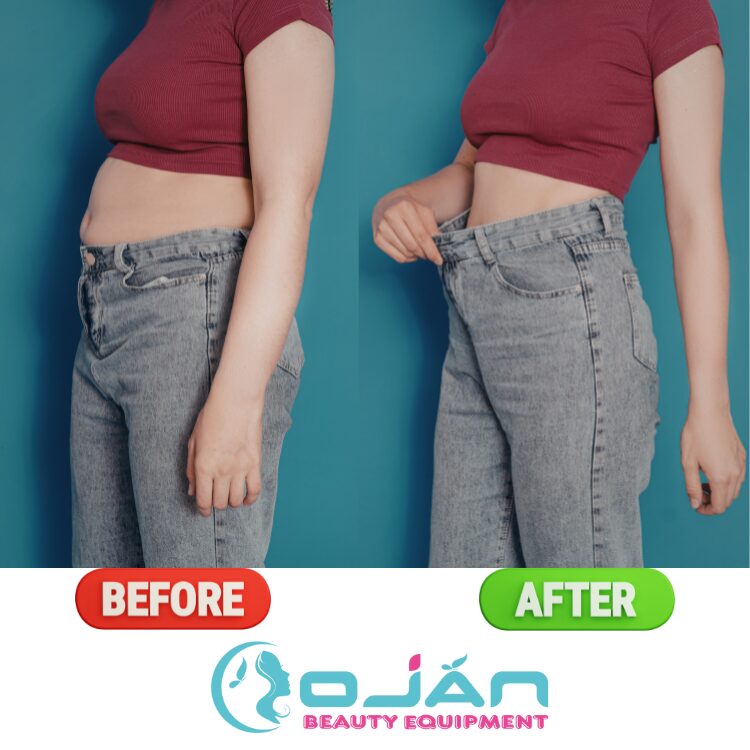
Body Contouring Before And After: Real Results, Expectations, & Expert Insights (2026 Guide)
Body contouring before and after results have become one of the most searched topics in cosmetic medicine and for good reason. People want visible proof, realistic expectations, and expert-backed explanations before committing to a procedure that reshapes their body. Body contouring is not about dramatic weight loss; instead, it focuses on refining shape, reducing stubborn fat pockets, and improving overall body proportions.
Before-and-after images often show smoother contours, tighter skin, and more defined areas such as the abdomen, thighs, arms, and chin. However, outcomes vary based on the type of procedure, individual anatomy, and lifestyle habits. Understanding what these transformations truly represent helps patients avoid unrealistic expectations and make informed decisions.
This guide breaks down how body contouring works, what results actually show, how long changes take, and how to maximize outcomes using medical insight, real-world experience, and evidence-based guidance.
What Is Body Contouring And How It Works

Body contouring refers to a group of medical and aesthetic procedures designed to reshape specific areas of the body by reducing fat, tightening skin, or improving tone. These treatments target areas that often resist diet and exercise, such as love handles, inner thighs, or under the chin.
Most body contouring methods work by destroying fat cells or tightening collagen fibers beneath the skin. Once fat cells are eliminated, they do not return; however, remaining fat cells can still expand with weight gain. That is why body contouring is best viewed as a sculpting tool rather than a substitute for healthy habits.
The process typically involves consultation, treatment sessions, and a recovery or adjustment period where the body naturally processes fat cells and remodels tissue. Results appear gradually, leading to more natural-looking before and after changes.
In addition to fat-reduction technologies, HIEMT EMS body muscle sculpting treatments are increasingly used in non-surgical body contouring to strengthen muscles and enhance visible before and after results.
Medical Vs Non-Surgical Body Contouring Options
Medical body contouring includes surgical procedures such as liposuction, tummy tucks, and body lifts. These methods provide immediate and dramatic results but involve anesthesia, downtime, and higher risks. Surgical contouring is often chosen by patients with excess skin or larger fat deposits.
Non-surgical body contouring uses technologies like cryolipolysis (fat freezing), radiofrequency, ultrasound, or laser energy to reduce fat and tighten skin. These treatments require little to no downtime and offer gradual improvements over weeks or months.
When comparing body contouring before and after results, surgical options show faster, more pronounced changes, while non-surgical treatments deliver subtle, progressive refinements that appear more natural.
Who Is an Ideal Candidate for Body Contouring
An ideal candidate for body contouring is someone close to their target weight but struggling with localized fat or mild skin laxity. Good candidates generally maintain a stable weight, have realistic expectations, and follow a healthy lifestyle.
Skin elasticity plays a major role in outcomes. Individuals with firm, elastic skin typically experience smoother, more defined before and after results. Those with significant loose skin may require surgical intervention for optimal improvement.
Medical history, age, and overall health also influence candidacy. A qualified provider evaluates these factors during consultation to determine the safest and most effective approach.
Body Contouring Before and After: What Results Actually Show

Body contouring before and after images demonstrate changes in shape, contour, and definition rather than drastic weight reduction. Most patients notice improved proportions, smoother transitions between body areas, and enhanced confidence.
Photos often highlight reductions in bulges, improved waistlines, firmer arms, or a more sculpted jawline. However, lighting, posture, and photo angles can exaggerate results. Reputable clinics use standardized photography to show honest outcomes.
Understanding that results develop over time helps patients appreciate subtle but meaningful changes that align with natural body aesthetics.
Patients who combine fat reduction with advanced EMS body sculpting technology often see improved muscle definition, which makes body contouring before and after results appear firmer and more athletic.
Common Areas Treated in Body Contouring Procedures
Body contouring targets areas where fat cells tend to be resistant to metabolism. Common treatment zones include the abdomen, flanks, thighs, arms, back, buttocks, and chin.
These areas often store genetically programmed fat, making them difficult to change through lifestyle efforts alone. Body contouring selectively addresses these regions to create balanced, harmonious results.
Before and after outcomes vary by area due to differences in fat density, skin thickness, and muscle structure.
Before and After Results for Abdomen and Waist
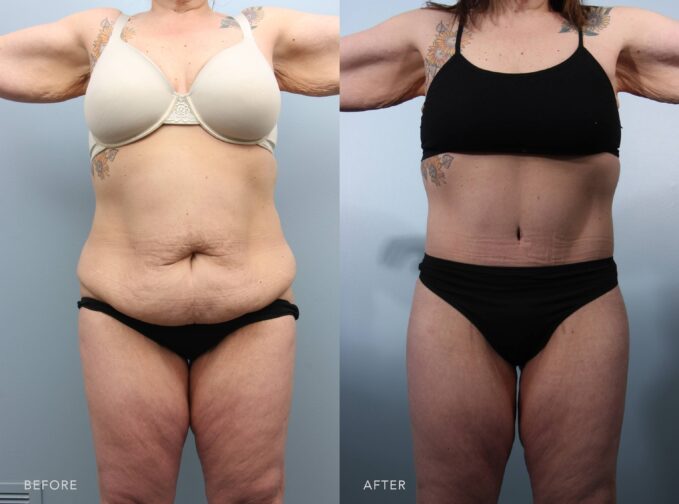
Abdominal body contouring before and after results often show a flatter stomach, reduced love handles, and improved waist definition. This area responds well to both surgical and non-surgical methods.
Non-surgical treatments gradually reduce fat thickness, while surgical procedures can remove larger fat volumes and tighten abdominal muscles. Skin elasticity significantly affects how smooth the final result appears.
Patients typically see the abdomen as the most transformative area, especially when combined with healthy habits.
Before and After Results for Thighs and Arms
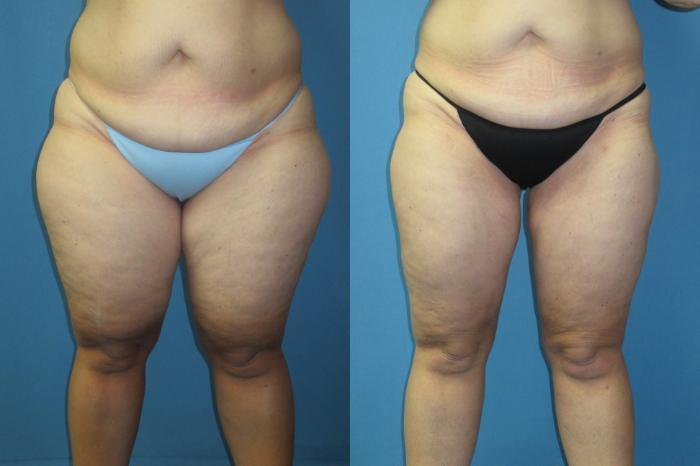
Thigh and arm contouring focuses on slimming and tightening. Before and after photos usually show reduced circumference, improved firmness, and better clothing fit.
Non-surgical treatments work best for mild fat deposits, while surgery may be necessary for sagging skin. Arms and inner thighs often require patience, as results develop gradually.
Consistent hydration, movement, and post-treatment care improve outcomes in these areas.

Before and After Results for Chin and Neck
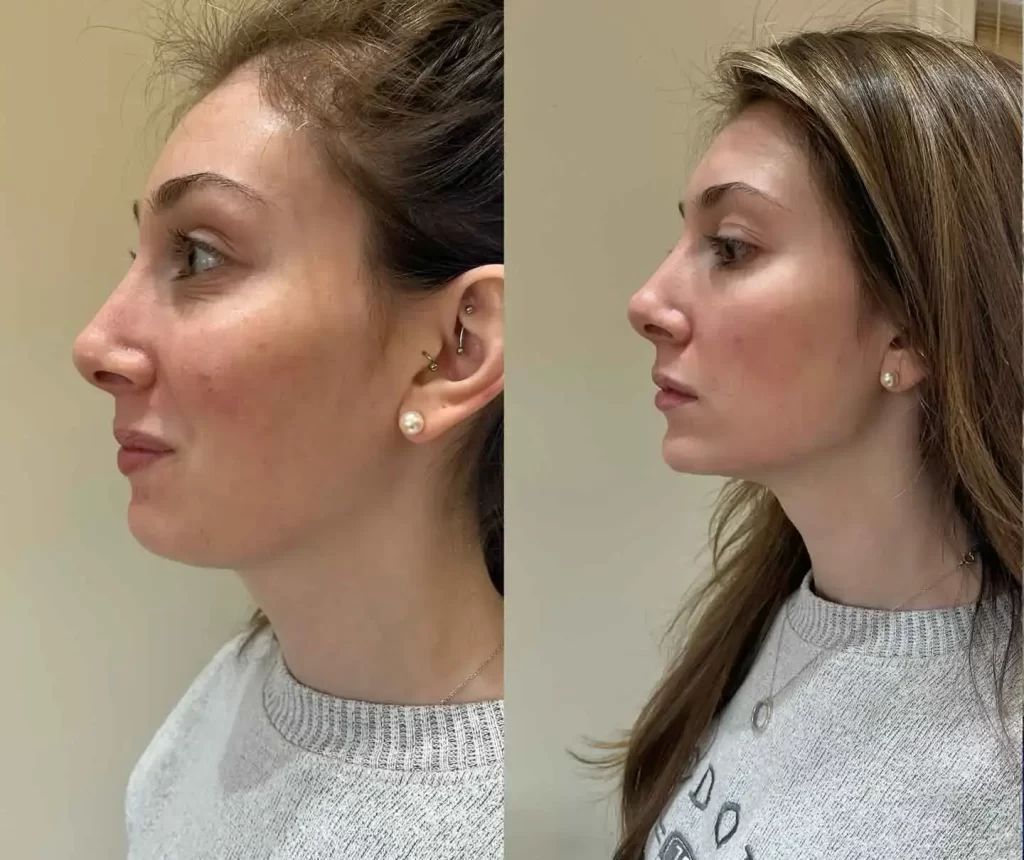
Chin and neck body contouring before and after images often show dramatic facial refinement. Reducing submental fat creates a more defined jawline and youthful profile.
Because this area contains smaller fat pockets, non-surgical treatments are highly effective. Results typically appear within weeks, making it one of the most satisfying contouring zones.
Good posture and skin care help maintain long-term improvements.
Timeline of Results: What to Expect at Each Stage
Body contouring results do not appear overnight. The body requires time to process destroyed fat cells and remodel tissue. Understanding the timeline prevents unnecessary concern and supports realistic expectations.
Most patients see gradual improvement, with final results emerging between 8 to 24 weeks depending on the method used.
Immediate Changes After Body Contouring
Immediately after treatment, patients may experience swelling, redness, or temporary firmness. These effects are normal and often mistaken for results.
Surgical procedures show instant contour changes but are obscured by swelling. Non-surgical treatments require patience, as fat reduction begins at a cellular level.
Early changes are not final outcomes and should be interpreted cautiously.
Short-Term vs Long-Term Body Contouring Results
Short-term results appear within the first few weeks as swelling subsides and fat breakdown begins. Long-term results stabilize after several months when the body completes fat elimination.
Sustained results depend on weight stability and lifestyle. Patients who maintain healthy habits preserve their before and after transformation for years.
Factors That Influence Body Contouring Before and After Results

Results vary because each body responds differently. Genetics, metabolism, skin quality, and lifestyle all influence outcomes.
Understanding these factors helps patients set achievable goals and avoid comparisons with others.
Age, Skin Elasticity, and Body Composition
Younger patients with good collagen production tend to achieve tighter, smoother results. Skin elasticity determines how well treated areas retract after fat reduction.
Muscle tone and fat distribution also impact final contours. These biological factors cannot be fully controlled but can be managed with proper treatment selection.
Lifestyle, Diet, and Post-Treatment Care
Healthy eating, hydration, movement, and sleep significantly affect results. Weight gain after treatment can reduce visible improvements.
Post-treatment care instructions—such as compression garments or massage—support optimal healing and contour refinement.
Body Contouring Before and After: Risks, Limitations, and Realistic Expectations
While body contouring is generally safe, it has limitations. It cannot replace weight loss or correct poor lifestyle habits.
Understanding risks and boundaries protects patients from disappointment and promotes satisfaction.
What Body Contouring Cannot Fix
Body contouring cannot eliminate obesity, correct severe skin laxity without surgery, or replace muscle tone. It also does not prevent future fat accumulation.
Realistic expectations ensure patients appreciate achievable improvements rather than seeking perfection.
Common Misconceptions About Before and After Photos
Photos may be staged, edited, or taken under different conditions. Reputable providers disclose treatment details and timelines.
Patients should rely on professional consultations rather than marketing images alone.
Expert Tips to Maximize Body Contouring Results

Experts emphasize preparation, provider selection, and lifestyle consistency as key success factors.
Following guidance improves both safety and outcomes.
Experts often recommend pairing fat-reduction treatments with non-surgical muscle sculpting solutions to improve tone, posture, and long-term body contouring before and after outcomes.
Choosing a Qualified Provider
Board-certified physicians or licensed medical professionals with body contouring experience deliver safer, more reliable results.
Consultations should include personalized assessment, transparent expectations, and before-and-after education.
For medical accuracy and safety standards, refer to guidance from the American Society of Plastic Surgeons: https://www.plasticsurgery.org
Pre-Treatment and Post-Treatment Best Practices
Staying hydrated, avoiding smoking, and following aftercare instructions improve recovery and results.
Consistency is essential for maintaining visible improvements.
FAQs About Body Contouring Before And After
How Long Do Body Contouring Results Last?
Results are long-lasting as long as weight remains stable. Destroyed fat cells do not regenerate.
Is Body Contouring a Weight Loss Solution?
No. Body contouring reshapes the body but does not significantly reduce body weight.
Are Before and After Results Permanent?
Results can be permanent with healthy habits, but lifestyle changes influence long-term appearance.
Final Thoughts on Body Contouring Before and After Results
Body contouring before and after transformations represent refinement, not reinvention. When guided by medical expertise, realistic expectations, and healthy habits, these procedures offer meaningful, confidence-boosting improvements.
Educated patients achieve the best outcomes by understanding timelines, limitations, and responsibilities. With the right approach, body contouring can be a powerful tool for enhancing natural shape and self-image.